Will there be a major crisis in the next 50 years? That is the question that has been on everyone’s mind ever since billionaire entrepreneur Elon Musk recently issued a new warning about humanity’s survival in the future.
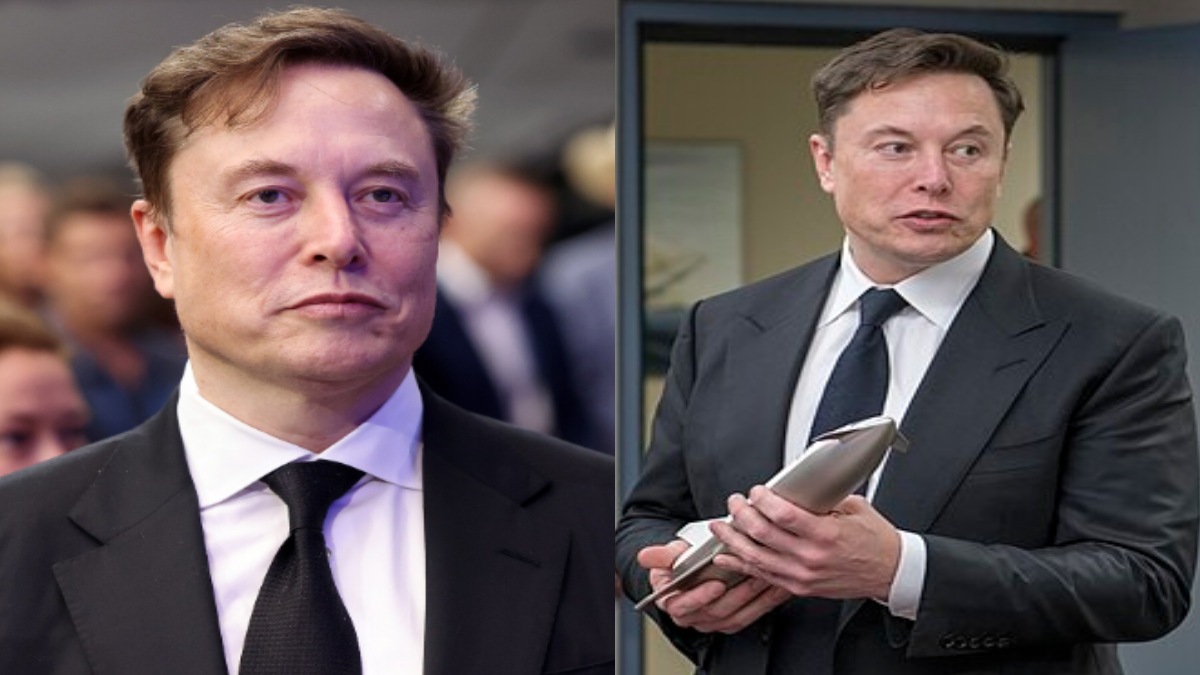
With the Tesla and SpaceX CEO telling us we have about 50 years to address climate change, artificial intelligence, population decline, and what the future holds for humanity, we need to act.
Contrary to the hyperbolic predictions made on the internet, Musk didn’t say that the world will end in 50 years. Instead, he said that if governments, scientists, and industry fail to prepare for future troubles, then humanity would face even greater risks. Moving to renewable energy may not be enough to forestall the world from existential threats in the long term, Musk asserts. It is the technological solutions that are needed to save the human race and global cooperation that will be necessary if we are to survive.
Probably the most surprising of all Musk’s comments is his call for a future space-based climate protection system. Musk suggests that “sentient satellites” like the ones that exist at the Earth-Sun Lagrange points will be able to control the amount of solar energy reaching Earth one day. These AI-driven satellite systems could help control global temperatures and even solve climate-related problems for hundreds of millions or billions of years, Musk said. While it is yet to be realized in practice, Musk believes that future technologies will be crucial for the planet.
One other major problem Musk has repeatedly addressed is artificial intelligence. A long line of warnings has been made over the years that AI might become more intelligent than humans if we don’t put some controls in place. If no regulations and safety mechanisms are in place now, Musk said humans could lose control of the most advanced AI systems in the next decade.
Musk has also warned for years about the decline in birth rates in many countries. He believes population decline may also pose a very real threat to civilization because shrinking populations can cause economic instability, labor shortages, and challenges in supporting aging societies. He has also pointed out in recent weeks that global fertility rates are at levels below the rate of population replacement, a topic he thinks needs far more attention from policymakers.
Perhaps Musk’s greatest secret is his belief that humanity should become a multi-planetary species. Musk has always advocated for human settlements on Mars, and through SpaceX, he’s been talking about building a human settlement on Mars for decades now. He sees the Red Planet as a backup for humanity in the event that Earth faces climate disasters, asteroid strikes, pandemics, technological failures, or other unforeseen events. Scientists are divided on the extent to which Mars colonization could be a viable insurance policy for humanity in the future, but Musk is convinced of it as a necessary option.
Not everyone agrees with Musk’s predictions. Climate scientists, demographers, and technology experts say that some of his warnings are overstated or even speculative. Some of them contend that humanity still has significant time to respond to demographic and environmental changes and are concerned about viewing future risks as almost inevitable catastrophes.
But Musk’s comments have once again stoked a global conversation about the future of civilization. Whether it is climate change, artificial intelligence, demographic changes, or natural disasters, his message is clear: humanity needs to think beyond the short term and prepare for the centuries ahead. The world won’t end in 50 years, but Musk knows that decisions made in the next few decades will determine the long-term future of life on Earth.