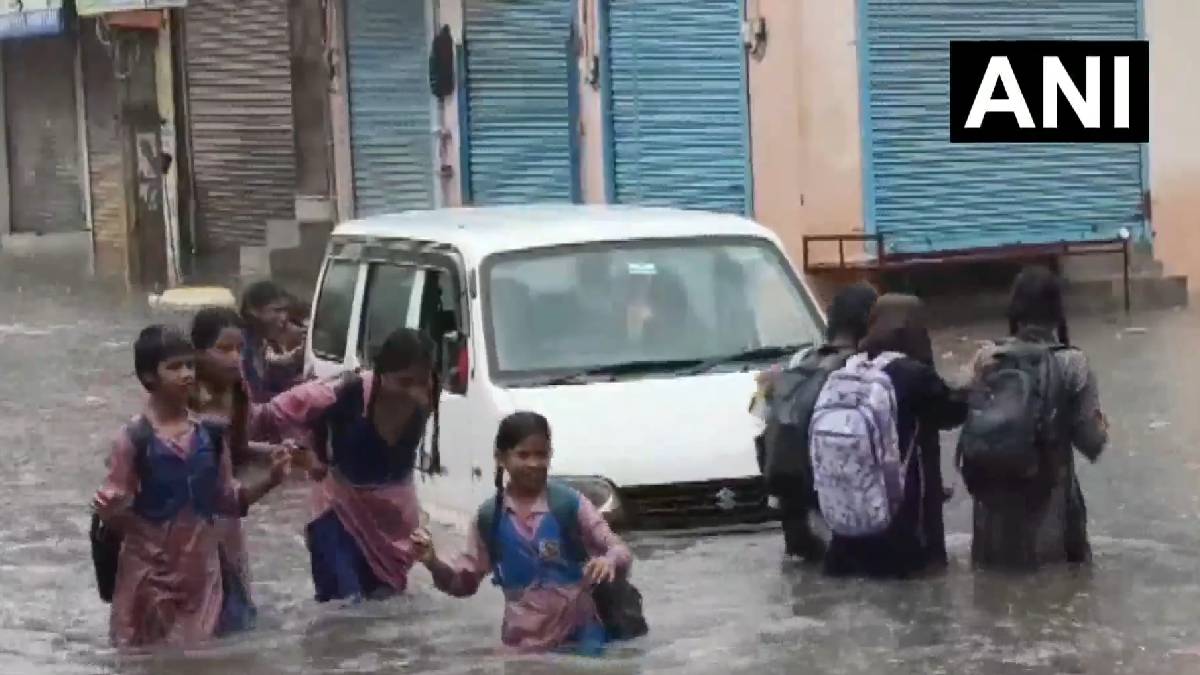
England’s worsening water crisis has led to a controversial taxpayer-funded effort to promote water conservation in specific communities. The campaign funded by water regulator Ofwat has allocated approximately £270,000 (more than $367,000) toward projects designed to reduce water consumption in everyday cultural and religious practices. More than three-quarters of England is in drought conditions after multiple heatwaves and dwindling water reserves.
The UK has had a very tough summer with five major heatwaves, a drop in river flows and a dip in reservoir levels, and an increasing sense of water availability uncertainty. Ofwat has launched a project, “Water Efficiency in Faith and Diverse Communities” to support water-saving practices in South Asian and Muslim communities where traditional activities can involve significant water use.
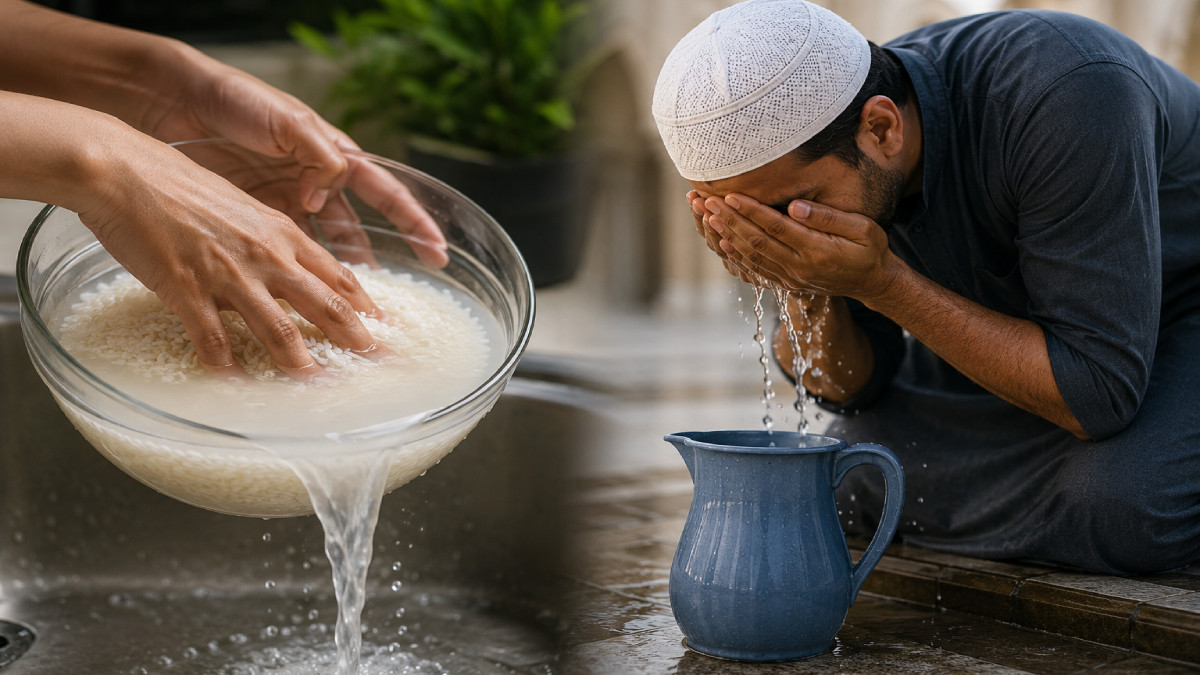
One of the campaign’s key elements is rice washing, which is a frequent practice in many Asian households. British-Malaysian celebrity chef Ping Coombes is seen in a campaign video explaining that rice is washed five to seven times before cooking until the water becomes clear. “Washing rice only twice can really help reduce water consumption and therefore save up to five litres of water,” said Coombes.
The initiative also encourages the reuse of rice water, rather than simply throwing it away. Coombes advises the use of rice water to nourish plants, and journalist Sonia Haria suggests some other applications for rice water. Rice water has long been used for beauty functions and can be used as a facial toner or as a hair treatment, but yet to be proven in scientific literature, Haria has said. The overall goal is to encourage households to maximise the value of water before disposal.
A separate part of the campaign is devoted to the Islamic practice of wudu, the ritual cleansing performed before prayers. Many Muslims perform wudu multiple times each day, and often before each of the five daily prayers. Campaign materials suggest that people may use between six and twelve litres of water during one wudu session when taps are running continuously.
The initiative, called “Reviving the Sunnah,” was developed in collaboration with Cambridge Central Mosque. It asks Muslims to practice the traditional Islamic teachings regarding water conservation. Campaign organisers note that Islamic tradition indicates that Prophet Muhammad performed wudu with about one litre of water, known as one Mudd. Imam Sejad Mekic appears in campaign materials with a one-litre jug instead of running tap water during the cleansing ritual.
Supporters of the initiative say it aligns with environmental sustainability objectives and religious teachings that stress moderation and responsible resource use. Small changes in habits for a large number of people to adopt could help with water conservation during drought.
But the campaign has also received widespread criticism. Critics have questioned whether spending £270,000 of public funds on behaviour-change campaigns is justified when England is losing so much water through ageing infrastructure. There are estimates that as much as three billion litres of water are lost through leaks each day across England, and so it is argued that fixing infrastructure should be more important than public-awareness efforts.
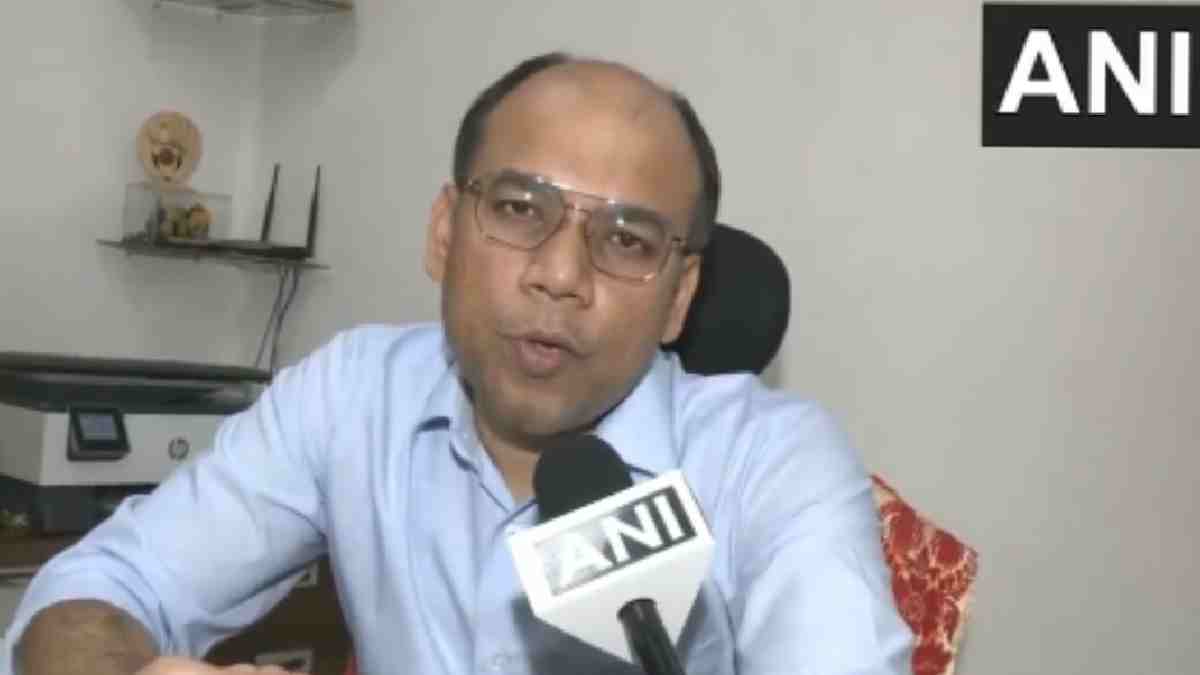
Among the critics is Conservative shadow cabinet office minister Mike Wood, who questioned the effectiveness of the initiative. He said households already on the cusp of rising utility bills would not appreciate taxpayer money being spent on what he described as “unusual approaches to influencing cultural and religious practices.” Some suggest that addressing leakage and investing in water infrastructure could be the key to saving water.
The campaign, however, underlines the pressing water issues in England. Water supply shortages in the UK are increasing with climate change, population growth, and increasing demand. Without significant improvements in water efficiency and infrastructure, future shortages could become more severe.
As drought conditions continue to grip large parts of England, discussions over how best to conserve water are likely to intensify. Infrastructure upgrades, public education campaigns, or both can be met with ever more pressure from the public to ensure sustainable water management while balancing public concerns over spending and priorities.