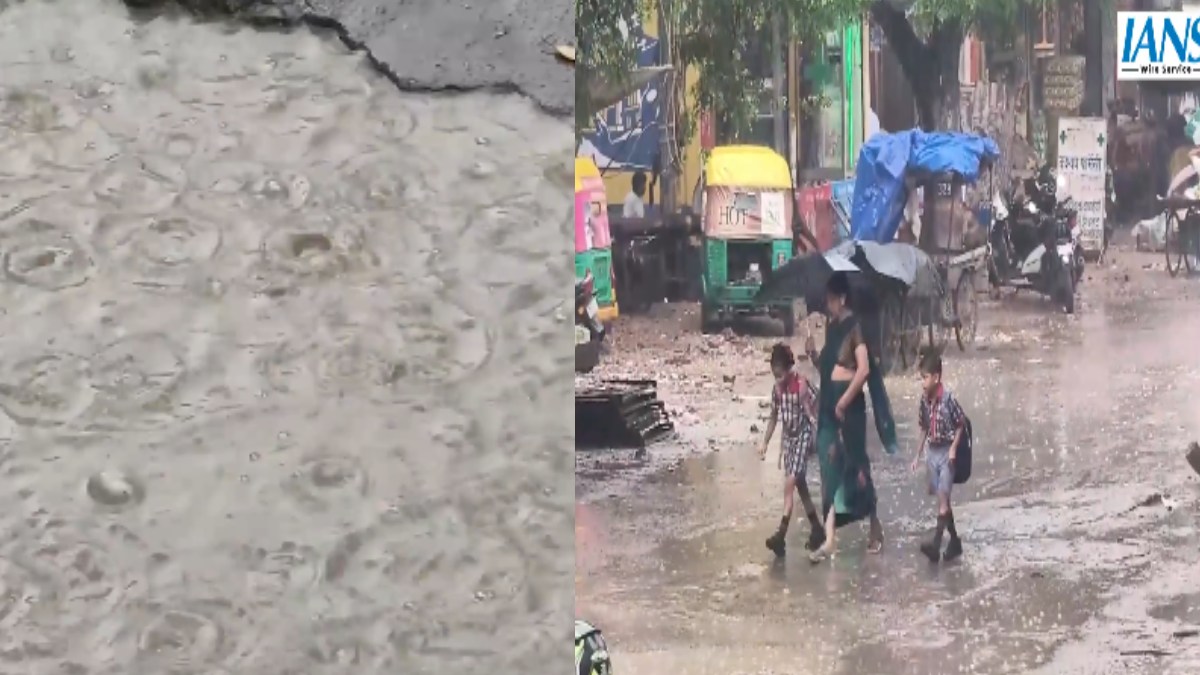
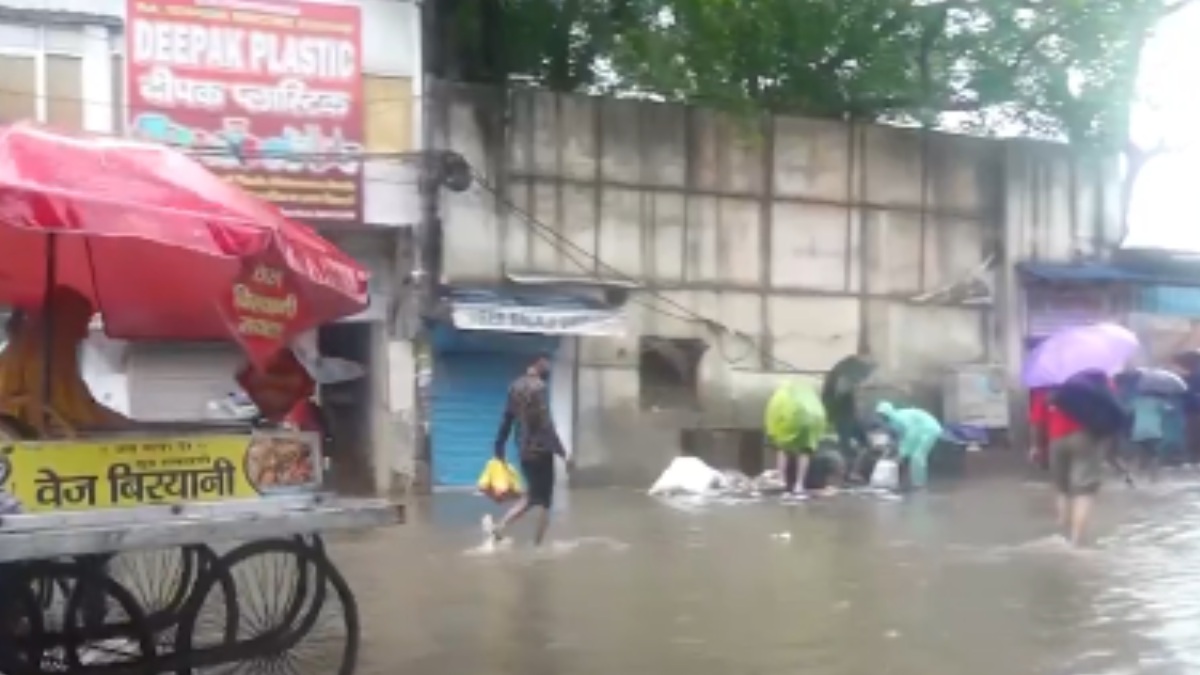
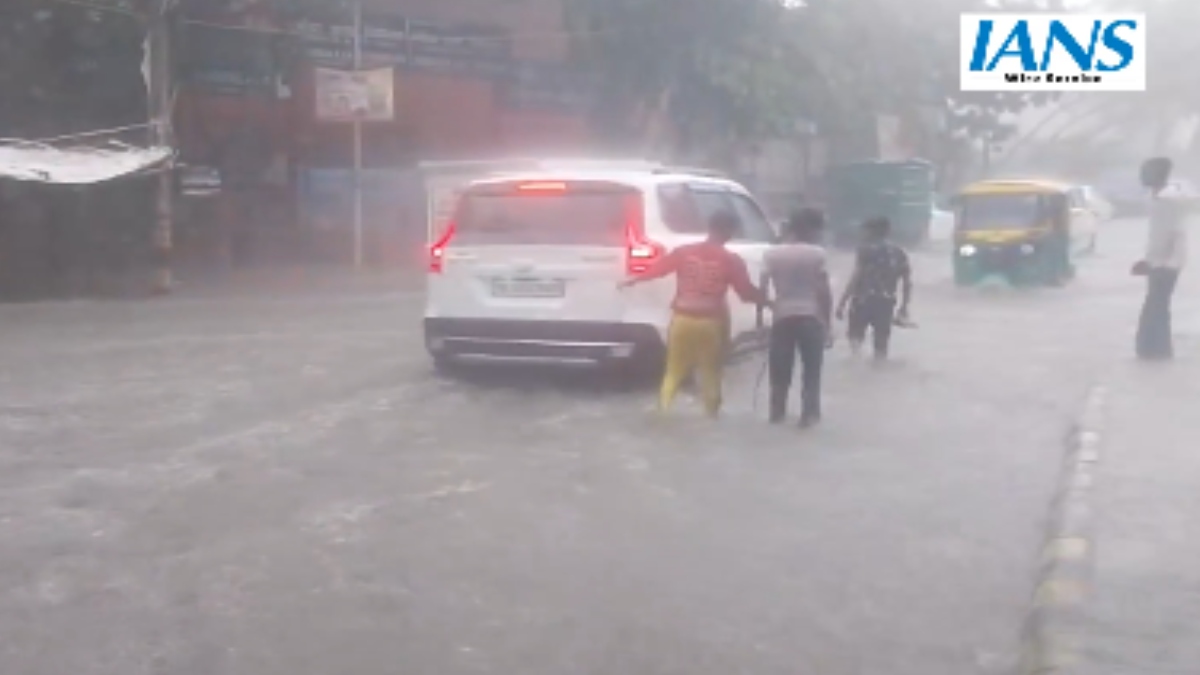
The heavy rainfall in Delhi is once again exposing the city’s perennial waterlogging problem of chronic waterlogging in Sangam Vihar’s streets, where students are forced to wade through flooded waters at Sangam Vihar schools under heavy rainfall. Visual evidence showed students struggling to navigate through the waterlogged roads in Delhi’s Sangam Vihar in a very heavy rain, and students are struggling to make it through the waterlogged streets as the city’s waterlogging is still an issue for students, and the city’s waterlogging is still a source of severe disruption.
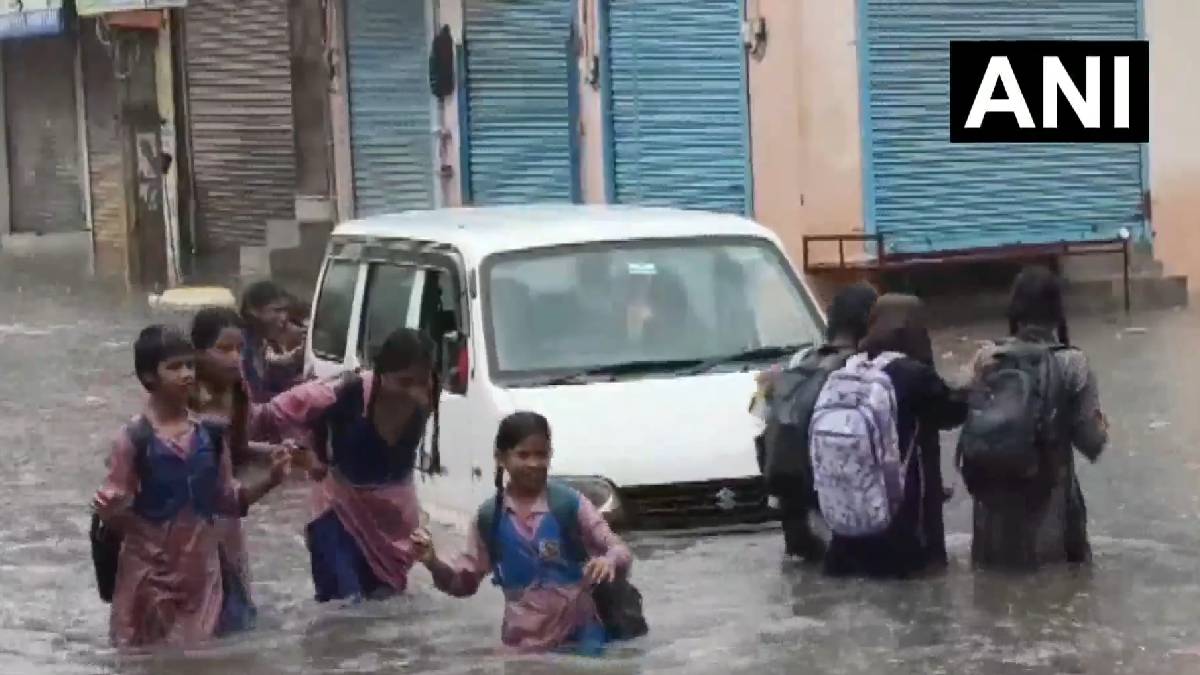
Students walked through streets covered with a lot of rainwater from the area. The waterlogged roads made it difficult for pedestrians and commuters to move in the locality.
The situation in Sangam Vihar just shows the difficulties that occur in many parts of the capital city when heavy rains happen. Poor drainage can flood quickly, and a short trip in daily life is even more challenging when it comes to a low-lying area and poor drainage.
Students’ disruption would be particularly difficult to cope with. Roads are flooded, and schools, colleges, coaching centres or other educational institutions may be closed for many. Walking in stagnant or flowing water can also raise hazard concerns if the depth of the water is difficult to establish.
Waterlogging is the latest in a long line of heavy rainfall in Delhi that has disrupted transit in parts of the capital. Cars will slow down or avoid flooded roads when it rains hard. Public transport can also be delayed as roads are flooded.
#WATCH | Students wade through a severely waterlogged street in the Sangam Vihar area amid heavy rainfall in Delhi today pic.twitter.com/78O5kwdYQB
— ANI (@ANI) August 24, 2026
Sangam Vihar Faces Waterlogging
Sangam Vihar is among the densely populated areas of southern Delhi, and heavy rainfall can put additional pressure on local drainage infrastructure.
If rainwater can’t drain away fast enough, then the streets will become pools of stagnant water. This would be for pedestrians, two-wheelers, cars, and others.
Students wading through flooded streets have been among the most prominent examples of how difficult it is for residents to cope with heavy rainfall.
The longer the waterlogging goes on, the more serious the problem of hygiene and public health becomes. Stagnant water can mix with waste and sewage in some places, so authorities need to clear the water quickly.
Rain Disrupts Daily Life
The monsoon season in Delhi often brings torrential rainfall in large areas of Delhi during monsoon season, which can overwhelm drainage systems in vulnerable areas.
Waterlogging is associated with traffic jams, road delays and difficult walking conditions for pedestrians. The worst areas to be affected are main roads, underpasses and low-lying areas.
If roads are so tough to navigate, residents are forced to change course or route if they can’t navigate them.
For students, however, it can be almost inevitable to visit educational institutions when exams are ongoing, classes are taking place, or other formal activities are scheduled.
Sangam Vihar visuals show how heavy rainfall can affect the common people living in the capital.
Need for Better Drainage and Preparedness
The repeated waterlogging during heavy rain has raised attention on Delhi’s drainage and monsoon preparedness.
Effective drainage can’t be achieved without sufficient capacity and regular maintenance and removal of garbage and debris that can block drains. Rapid response is also necessary when intense rainfall causes unexpected flooding.
In general, officials assign teams to identify waterlogged areas; pump out accumulated water; and manage traffic. But the increasing waterlogging in some neighbourhoods indicates that long-term solutions might be needed as well.
Delhi’s urban development has greatly increased the paved and built-up surface, so that the natural absorption of rainwater is lessened. When it is very heavy rainfall, large amounts of water can therefore accumulate quickly.
Safety Concerns for Residents
Residents should take care while traveling through waterlogged streets. Open drains, potholes, and other hazards underneath the water may not be visible from the surface of the water.
Two-wheeler riders risk even more as water is problematic for them because it can affect the stability of the vehicles and engine performance. Drivers should avoid entering areas in the water that the depth of the water is unknown.
This is more difficult if rainfall continues for a long time.
As authorities monitor the weather and affected areas, residents in low-lying neighbourhoods such as parts of Sangam Vihar will be monitoring further rainfall and drainage conditions.
Images of students wading through water are a reminder of the immediate impact of heavy rainfall on daily life in Delhi’s environment. Heavy monsoon showers are necessary to replenish water and reduce the heat in the summer months, but heavy rainfall can quickly create very serious urban mobility problems.
Now the focus is on safe movement of residents, quick removal of water, and the monitoring of vulnerable areas.
The latest waterlogging in Sangam Vihar only underscores the need for effective drainage, timely maintenance and better monsoon preparedness in the national capital.