An 8-year-old girl from Louisiana has died from a rare and devastating brain infection caused by Naegleria fowleri, commonly known as the “brain-eating amoeba.” Lillian Smart, 8, of Ruston, Louisiana, died at a hospital last weekend following severe neurological complications. Health officials believe that the infection was probably transmitted when she was swimming in Lake Claiborne in northern Louisiana.
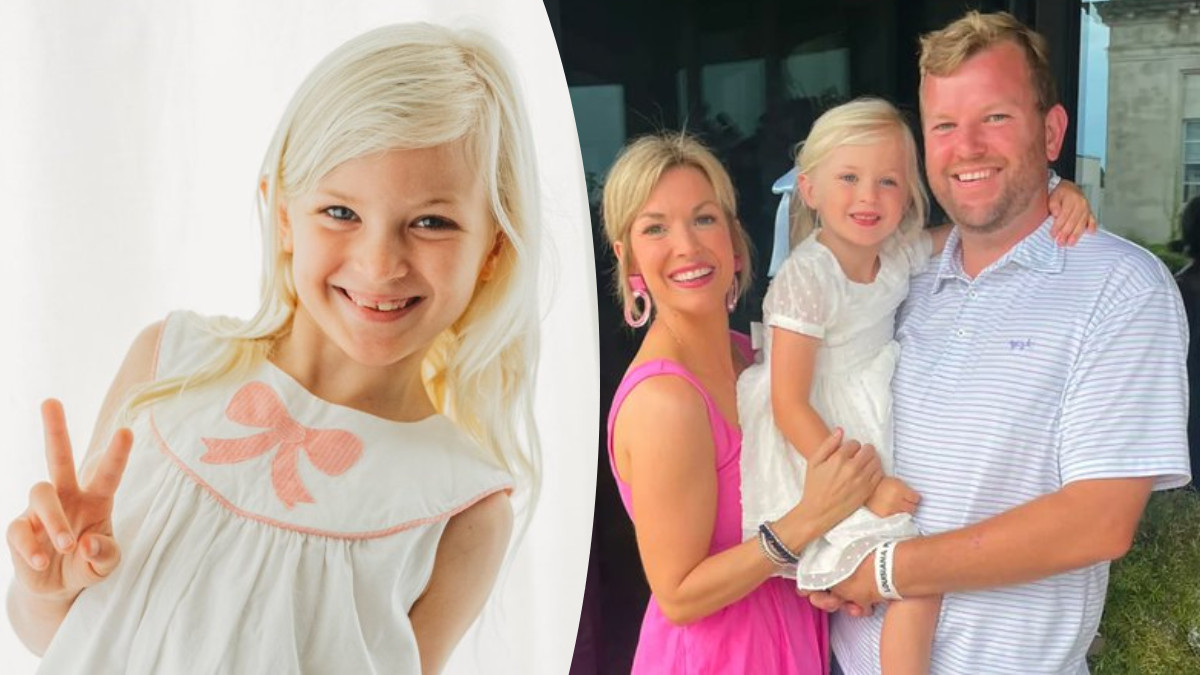
Lillian’s family confirmed her death in an emotional social media post, saying that the injuries to her brain were too serious for her body to recover from. The young girl died just after her eighth birthday, and her family and the Ruston community are devastated. The family rallied around her during her hospitalisation to help her.
The Louisiana Department of Health announced that a state resident had been hospitalised after being infected with Naegleria fowleri on August 19. While the health department did not announce the patient's name, officials said the infection was most likely acquired while swimming in Lake Claiborne just before the person became ill. Lillian’s family said it was an amoeba infection.
Naegleria fowleri is a microscopic organism that lives in warm freshwater and is known to cause a very rare form of primary amebic meningoencephalitis (PAM). The infection occurs when contaminated water enters the nose and is transported to the brain. Health workers say that people do not get infected by drinking the contaminated water, and the disease doesn't spread to another person.
The disease can progress very quickly. Early symptoms could include headache, fever, nausea, and vomiting. As the infection spreads, patients can have a stiff neck, confusion, seizures, and coma. PAM is extremely rare, but almost always fatal, so early diagnosis and urgent medical attention are very important, according to health officials.
Despite the scary nature of most of the headlines, infections of Naegleria fowleri are rare. Nationally, Louisiana health officials noted that only 180 infections had been reported between 1937 and 2025. The organism is associated with warm freshwater environments, especially in hotter months when water temperatures can rise.
Health officials have advised people who are taking part in freshwater activities to be careful, especially during high temperatures. Recommended measures include avoiding forcing water up the nose, keeping the head above water, and using nose clips when swimming in warm freshwater. They also recommend not disturbing sediment in shallow freshwater as the organism might be present in sediment.
The tragic death of Lillian has once again highlighted the risks, however small, associated with swimming in warm freshwater. Her case has also raised the significance of looking for unusual symptoms after freshwater exposure. PAM is very rare, but the infection is still being studied, and the public is being educated on prevention as well as symptoms.
Lillian’s family and the Ruston community are grieving for a young girl whose life was cut tragically short. The death has left family members, friends, and community members in pain and serves as a reminder of an uncommon but potentially deadly infection associated with warm freshwater.