European countries are already experiencing a deep drought again as long-running heat and low-average rainfalls in major rivers have pushed the continent’s rivers to a critical point.
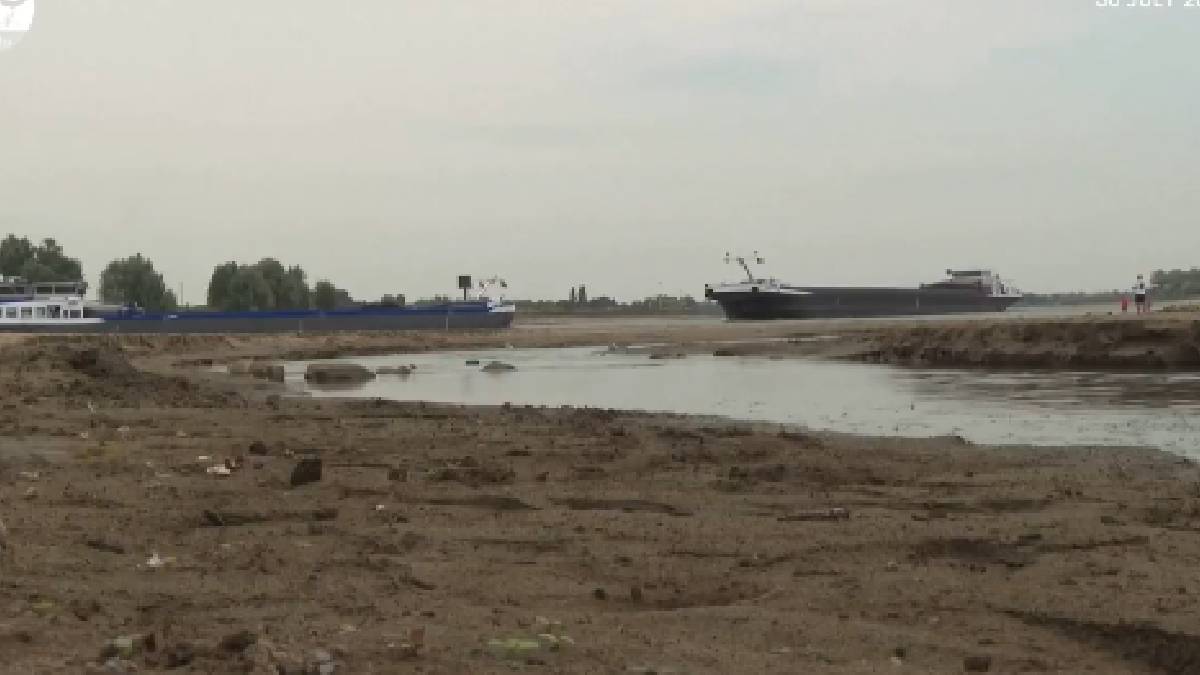
Water shortages are hindering transportation, electricity production, agriculture and industrial production in several European countries, so the region’s economic and climate resilience is undermined.
Europe’s most important waterways, the Rhine in Germany, the Danube in Hungary and parts of the Po River in Italy have particularly low water levels.
These rivers are vital transportation links for coal, fuel, chemicals, agricultural products and manufactured goods. The water levels are low and vessels carry less, shipping costs increase and deliveries are delayed.
And the Rhine River, one of Europe’s biggest commercial arteries, is a big concern for European shipping companies and for inland shipping.
A shrinking cargo capacity means companies must use more vessels or switch to pricey rail and road transportation. There are fears that if the disruption lasts for a while, manufacturing, exports, and supply chains in Europe would suffer.
There is pressure on the energy sector too. Hydroelectric power generation has been decreasing in many countries because of the decreasing river flows and shrinking reservoir levels. Some thermal and nuclear power plants already use river water for cooling.
Low water availability and higher river temperatures have forced some facilities to reduce output or even change operations to meet higher demand at night.
Agriculture has been another major casualty of the drought. As fields dry out and irrigation becomes more difficult to work in, farmers in southern Europe have experienced lower crop yields so far, and the dry weather is killing them all over the continent.
A crippling drought sweeping across #Europe has pushed major continental rivers including the #Rhine and #Danube to historic lows, crippling inland freight shipping, forcing nuclear plant shutdowns and weakening the #Netherlands' vital flood barrier dikes, while fuelling… pic.twitter.com/OFusgruRcD
— ShanghaiEye🚀official (@ShanghaiEye) August 2, 2026
Corn, wheat, and vegetables are particularly susceptible and if dry conditions persist through the growing season, agriculture experts say food production could fall if we don’t have sufficient rainfall.
The environmental effects are also becoming increasingly visible. Low river levels are hazardous to aquatic ecosystems, reducing oxygen levels, increasing water temperatures, and affecting fish populations.
Wetlands and wildlife habitats are also in crisis and under threat; the ecological consequences of decades-long droughts are becoming greater and greater as climate change is a factor.
Governments across Europe are implementing emergency water conservation measures, tightening water use in some regions, and investing in long-term adaptation strategies.
EUROPE IS BLOWING UP ITS RIVERS TO KEEP THE ECONOMY ALIVE
— Zacky vicent (@VicentZacky) August 6, 2026
Europe is entering a dangerous new era.
This is no longer just another summer heatwave. This is an economic emergency.
Across Europe, historic drought has pushed the Rhine and Danube Rivers to critically low levels,… pic.twitter.com/88fDs1ijDR
There are also calls for industries to make water-efficient investments and develop renewable energy sources that don’t depend on water resources.
Climate scientists say extreme weather events are more frequent and severe because of global warming: heatwaves and droughts are going to be more frequent and intense. They say we need more robust climate adaptation plans, better management of water and investment in resilient infrastructure to minimize future economic losses.
With Europe struggling to cope with another tough summer the drought is another reminder of the existential impact climate change has on our daily lives.
Global transportation, energy production and agriculture crises as well as ecosystem crises are all under siege, so governments and businesses will have to strike back to address in order to come up with sustainable solutions to prevent climate change in the future.