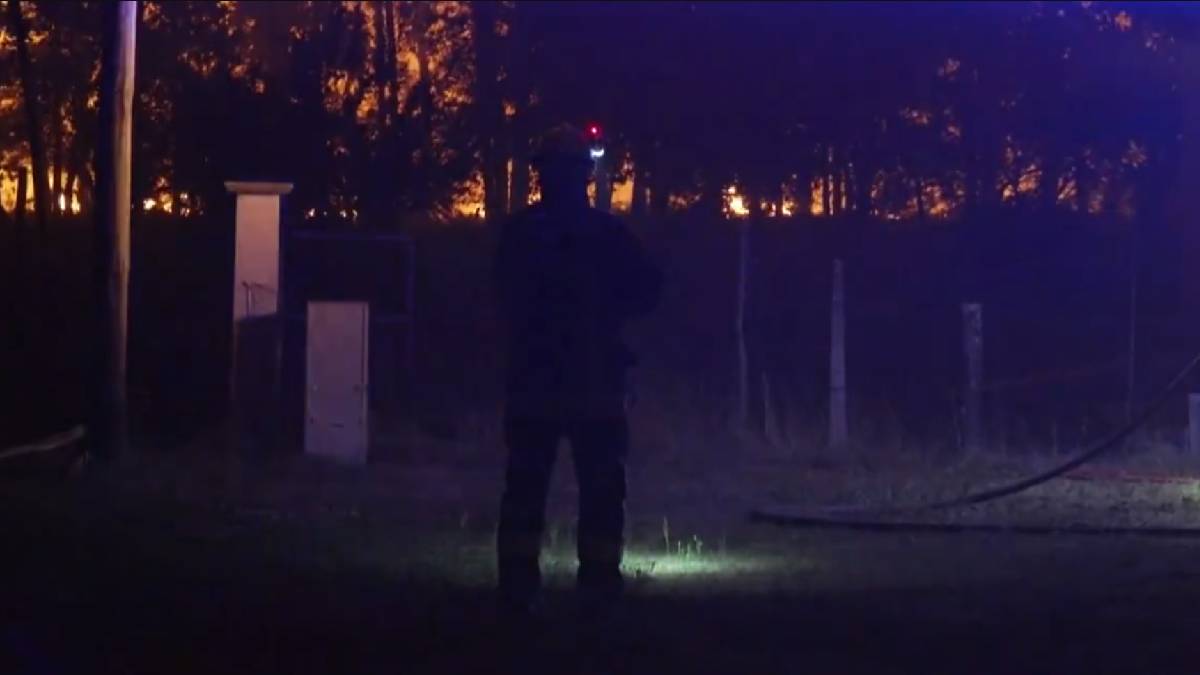
France has responded to a series of devastating wildfires by mobilising military cargo aircraft to aid in fighting and humanitarian relief, as fast-growing blazes have forced massive evacuations to be conducted in areas affected.
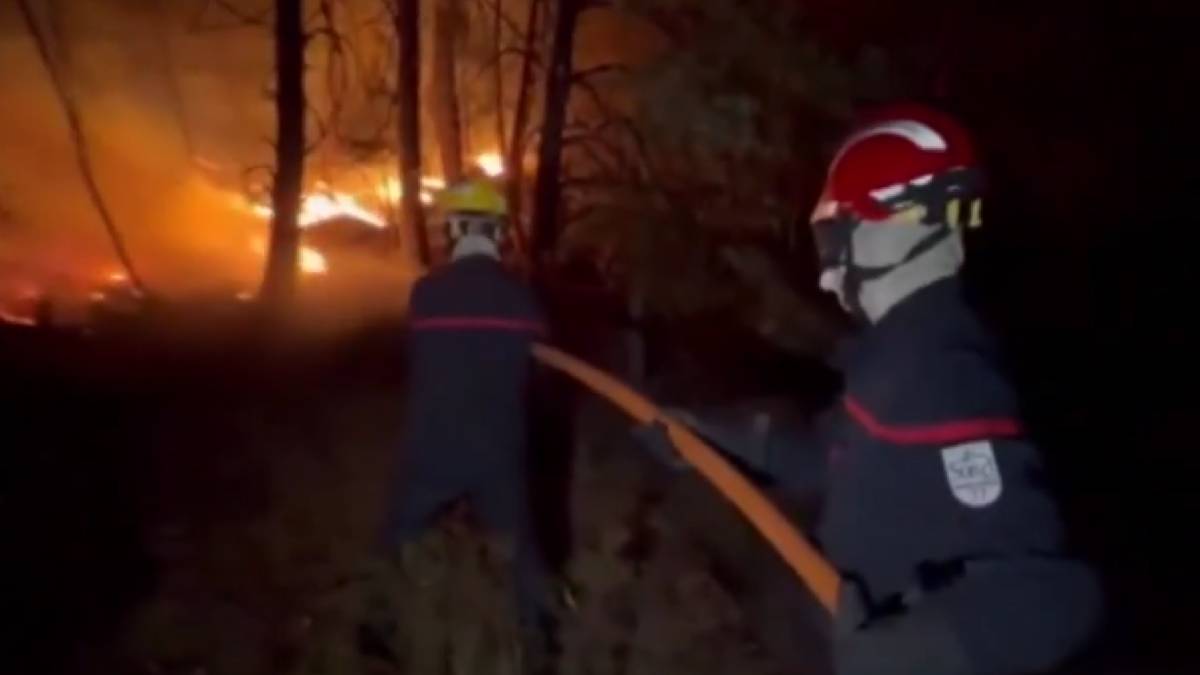
The decision reflects the growing intensity of the wildfire crisis, with authorities mobilizing both civilian and military resources to protect lives, contain the fires and provide relief to displaced residents. The fires, aggravated by dry weather, high temperatures and windy conditions, have stretched emergency services and triggered the quick response of the government.
France deploys military cargo aircraft as wildfires force mass evacuations. pic.twitter.com/Yhctxd9NEo
— News Arena India (@NewsArenaIndia) July 25, 2026
Informed Emergency Operations by Military Support.
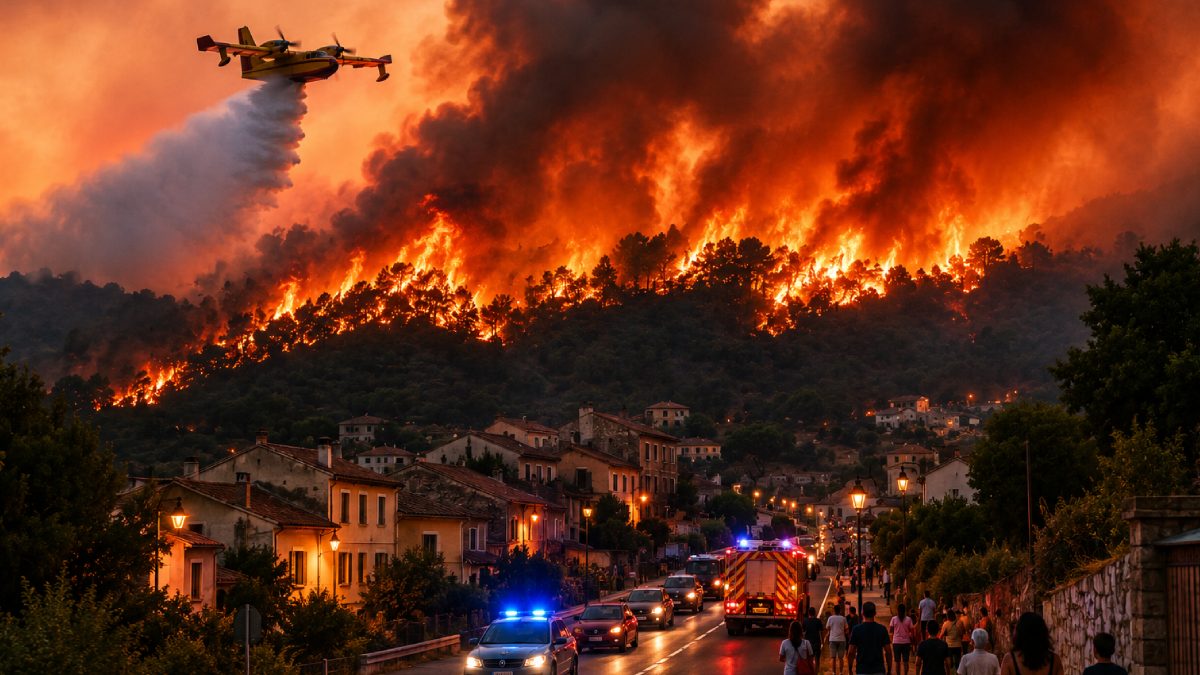
Military cargo aircraft are also being stationed to provide more logistics support to firefighters and emergency workers in the most difficult wildfire hotspots in many of the country’s most challenging wildfire regions. They are also being sent to assist firefighters and emergency workers with logistics support for firefighting equipment, emergency supplies, rescue personnel and other essential resources in the most difficult areas of the country’s most challenging wildfires.
The French Armed Forces want to work with civil protection agencies, firefighters, police and local authorities to make sure the operation is going well. Military logistics will help speed relief efforts where damaged infrastructure or road closures have made access to help difficult.
The extra resources would help sustain firefighting efforts as crews remain on the front lines working around the clock to contain multiple fire fronts.
Thousands Forced to Evacuate
As the fires moved to residential areas, authorities ordered evacuation in areas most likely to be hit. Thousands of residents have been moved to safer places, and emergency shelters have been opened to house displaced families.
Local officials stress that residents need to take the necessary precautions to comply with evacuation orders and avoid entering restricted areas. Emergency services are also helping elderly people and those who need special assistance with evacuation.
The weather conditions are closely monitored, and shifts in winds may also affect the direction and intensity of fires and present new challenges to firefighting.
Firefighters Face Difficult Conditions
Firefighters are fighting the blazes under extremely demanding conditions. Rising temperatures, low humidity and strong winds have made containment harder, and the flames’ spread has only amplified.
We have a lot of aerial and ground resources at work— firefighting aircraft, helicopters, fire engines and special response teams. Firefighters are hard at work to set up firebreaks, protect lives from fire spreading into forests and populated areas, and prevent the fire from reaching homes and the city.
Emergency officials have praised the dedication of firefighters and rescue workers, many of whom have been operating continuously in hazardous conditions.
Environmental and Economic Consequences
The wildfires have caused severe environmental damage, destroying vast swaths of forest and threatening wildlife habitats. The ecological impact could even go beyond the immediate destruction and impact biodiversity and natural ecosystems for years to come.
Fires are also going to have economic implications. Agricultural land, tourism businesses and local infrastructure in areas where outdoor recreation and rural industries contribute significantly to local economies could be devastated.
Damage assessments will start once emergency crews declare affected areas safe.
Climate Challenges Highlighted
The recent wildfire emergency has once again brought into focus how common and extreme weather events are in Europe. Scientists have said that long heatwaves, drought, and climate change are all threats to large-scale wildfires.
Due to the nature of individual wildfires, there have been increased preparedness measures in Europe, including firefighting capabilities and early warning systems to better prepare for future disasters.
The authorities are monitoring the situation.
French authorities are on high alert as firefighting continues. Emergency resources are on standby if weather conditions deteriorate or new fires emerge.
People in the affected areas should keep in contact with officials through official channels, heed evacuation instructions, and avoid entering areas that are still burning, as well as not travel to and around the area of active fire zones.
The use of military cargo aircraft highlights the scale of the real-world crisis and France’s determination to defend communities with a national response at scale in a unified way to support them in the wake of the crisis. Emergency teams will be working hard in the coming days to get the fires contained, maintain public safety, and begin the long recovery process for the affected areas.