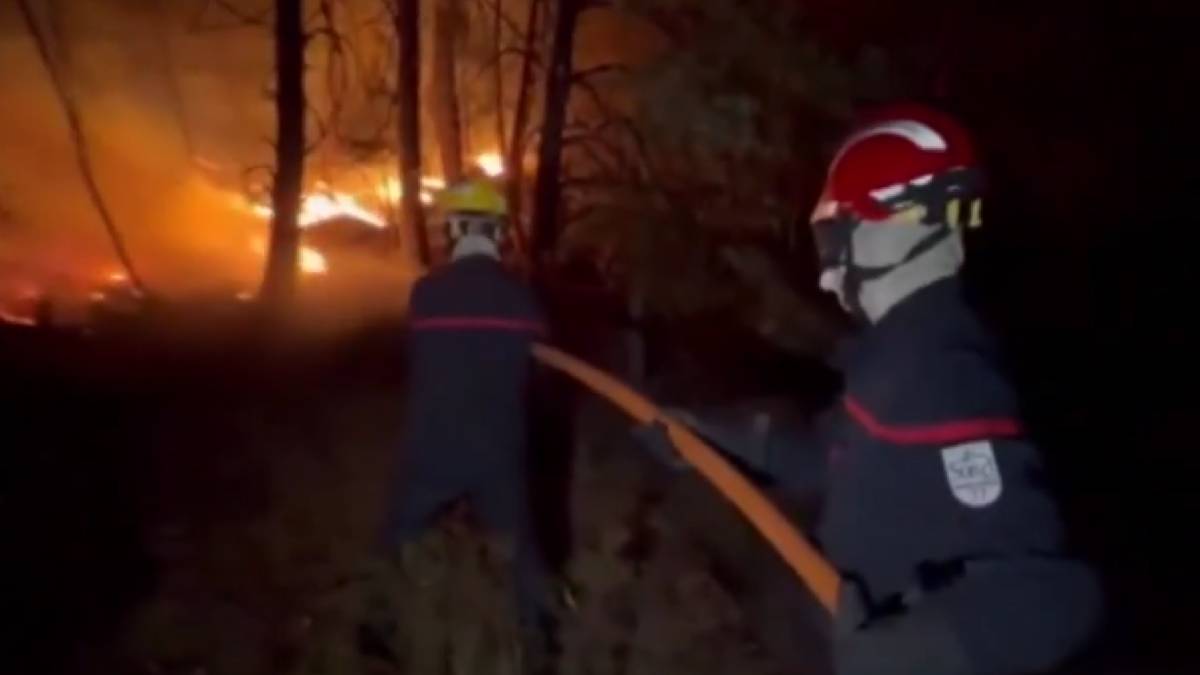
Thousands of people have fled the country as devastating wildfires rage across France and Spain in a heatwave that provided perfect conditions for fast-moving forest fires. Emergency operations in both countries have been launched and emergency workers have evacuated more than 10,000 residents from vulnerable areas and firefighters have begun battling many more.
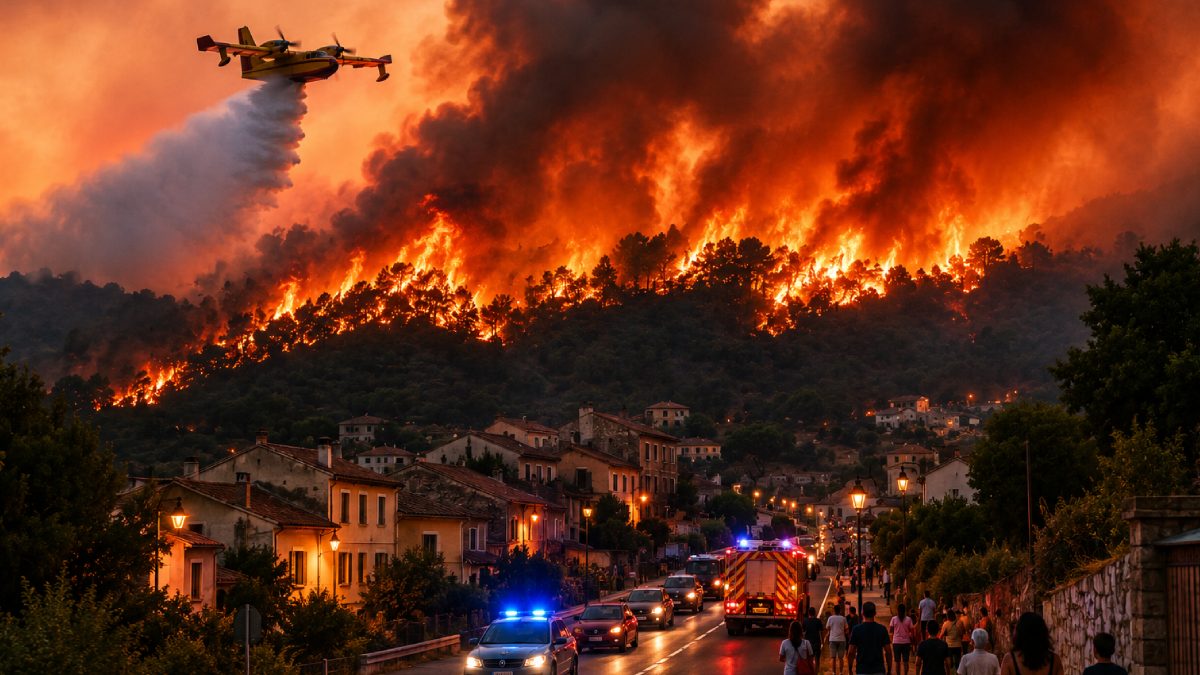
The fires have spread quickly through forests, grasslands and rural settlements as weeks of extremely high temperatures and dry weather have made vegetation highly combustible. The wind has also made firefighting a struggle; officials have put emergency evacuation orders for some towns and villages on the list as well, said County Council Chairman Michael St. Paul.
Emergency services have been working around the clock to protect lives and prevent the fires from reaching densely populated areas. Hundreds of firefighters, supported by helicopters, water-dropping aircraft and ground crews, have been deployed to tackle the blazes. Police and civil protection agencies and medical personnel have also been deployed to help evacuate families and maintain public safety.
In France, many regions are seeing fast-paced wildfires that have begun to spread to homes, farms and critical infrastructure as fire has spread to areas of France in which homes, farmland and critical infrastructure have been threatened and people have had to leave their homes as flames have spread rapidly. Emergency shelters have been established to shelter displaced families and officials are monitoring the situation and keeping track of the situation as a whole.
Spain also had several wildfires, and in particular, heat and low humidity were a danger to firefighters. So firefighting has been challenging and wildfire control is hard. Smoke from fires has impacted air quality in some areas and health warnings have been issued for children, older people and people with respiratory problems.
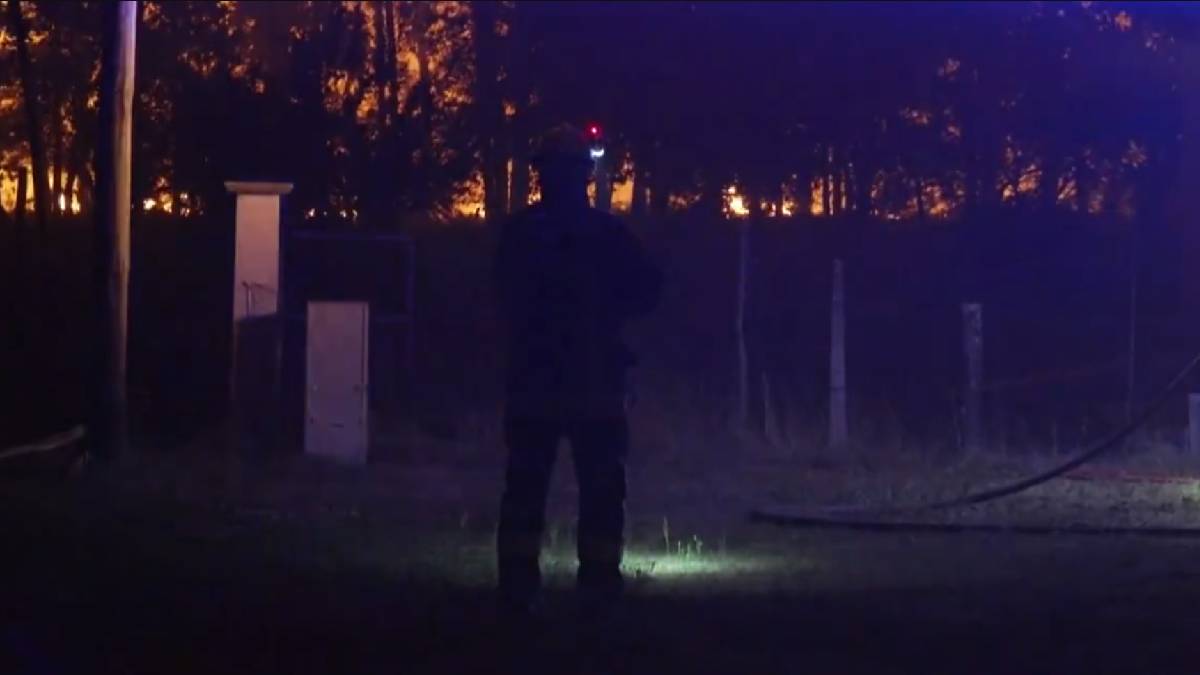
Meteorologists attribute the severity of the fires to the recent heatwave that has been hitting much of southern and western Europe. Extreme temperatures well above seasonal averages, combined with persistent drought and dried out forests and vegetation, have led to a growing fire danger at a time of fire outbreak and rapid spread.
Climate scientists note that Europe has experienced a growing number of extreme weather events in the last few years, with longer heatwaves, severe droughts, floods, and destructive wildfires. While wildfires are caused by a variety of factors, global warming has led to longer fire seasons and a greater likelihood of large wildfires.
In both France and Spain, authorities have advised residents to follow evacuation orders and not go into affected areas. Roadblocks are still in place in some areas to allow emergency vehicles to travel freely and to protect people from fast changing conditions.
Firefighters continue to face significant operational challenges as changing winds can quickly change the direction and intensity of the fires. Aircraft are dropping water and fire-retardant drops and ground crews are trying to put up containment lines and prevent the flames from spreading to other communities.
In addition to the immediate threat to human life, the wildfires are causing widespread environmental damage. Large areas of forest habitat have already been destroyed, affecting wildlife and biodiversity. Agricultural land, vineyards, and grazing areas have also suffered damage, raising concerns about economic losses for local communities that depend on agriculture and tourism.
Government and private sector officials are also looking at how the electricity infrastructure, communications and transportation networks could be affected. In some areas, precautionary power outages have been conducted so that fire risks won’t increase and emergency personnel are safe.
Public health authorities have advised residents in smoke-affected areas to stay indoors when possible, keep windows closed, use air filtration systems if available and wear protective masks when outdoor exposure cannot be avoided. People with asthma, chronic respiratory illnesses or cardiovascular conditions are advised to seek medical advice if symptoms are worsening.
The European Union has mechanisms for cross-border disaster response, which allow countries to request firefighting aircraft, personnel and equipment from neighboring member states when national resources are depleted. That cooperation has become more crucial as multiple countries respond to simultaneous wildfires during the summer season.
The weather forecasts indicate that continued high temperatures and dry conditions may sustain elevated wildfire risks in parts of southern Europe over the coming days. Emergency services are on high alert and prepared to respond to new fire outbreaks if the situation worsens.
As firefighters continue their efforts to contain the blazes, officials have emphasized that protecting human life remains the highest priority. Residents have been urged to remain vigilant, monitor official emergency updates, and cooperate fully with evacuation orders until authorities declare the affected areas safe.
The ongoing wildfire crisis underscores the increasing challenges posed by extreme weather events across Europe and highlights the importance of disaster preparedness, climate resilience, and coordinated emergency response in safeguarding communities against future natural hazards.