A fast-moving flash flood has hit the Grand Canyon National Park in Arizona, creating a major search-and-rescue effort as at least 15 people have been reported missing and more than 60 people have been evacuated from the area so far.
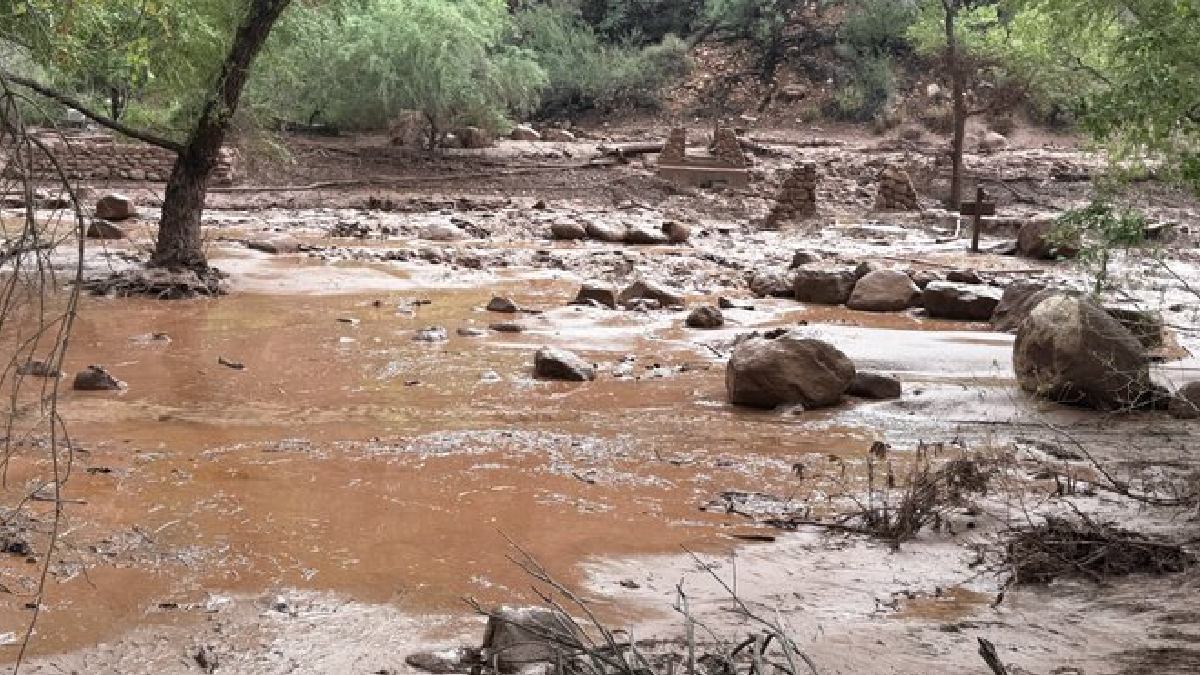
The flooding started on August 29 in Bright Angel Canyon and Phantom Ranch areas of the Grand Canyon as heavy rainfall quickly turned normally manageable streams into dangerous torrents. U.S. National Park Service (NPS) officials said 15 people are still unaccounted for since the sudden flood. “We have asked the public to send information about hikers, campers, and backpackers that were in the affected corridor at the time of the disaster."
Emergency crews and the Arizona Department of Public Safety launched large-scale rescue efforts quickly after the flooding started. By Sunday morning, at least 62 people were evacuated from Phantom Ranch and close trail systems, many of them by helicopter from isolated locations in the canyon.
The flash flood caused extensive damage throughout the canyon. A lot of the footbridges to Bright Angel Creek were washed away, and several trails were impassable during the flooding. Large boulders, mud, trees, and metal debris were thrown into the Colorado River; officials closed river traffic in the affected part of the park for a short period of time. Many of the most popular tourist spots like Phantom Ranch, Bright Angel Campground, parts of the North Kaibab Trail, and other river crossings have been closed for a number of days.
The flooding was caused by torrential rainfall over steep terrain, weather officials said. Half an inch to one inch of rain fell within about 30 minutes in some parts of the canyon, according to reports. Because of the rocky terrain and dramatic elevation changes, much of the rain ran off quickly, creating a fast-moving wall of water that surged through the canyon system.
Hikers who survived the flood described frightening scenes as water levels rose quickly. Mudslides, debris flows, and rapidly swelling creeks carrying heavy objects were seen in footage from the water levels. At night, rescue helicopters were available to ferry stranded visitors to safety.
The flood also had an impact on the park’s water supply system, in addition to trail and infrastructure damage. The Grand Canyon’s main water pipeline was damaged, officials said, and the national park suspended overnight lodging in the park and advised residents and visitors to conserve water.
There were no confirmed injuries at first, though the disaster was so catastrophic that no injuries were reported as a result. Search efforts are still in progress, and efforts to find the missing people are ongoing. Conditions are dangerous with more thunderstorms and flash flooding on the way, authorities said.
The Grand Canyon is one of the United States’ top national parks and receives millions of visitors a year. That’s why the latest flooding disaster has again raised the stakes about how hazardous the weather can be in a canyon. Families and friends of those who are missing are anxiously waiting for news from authorities.