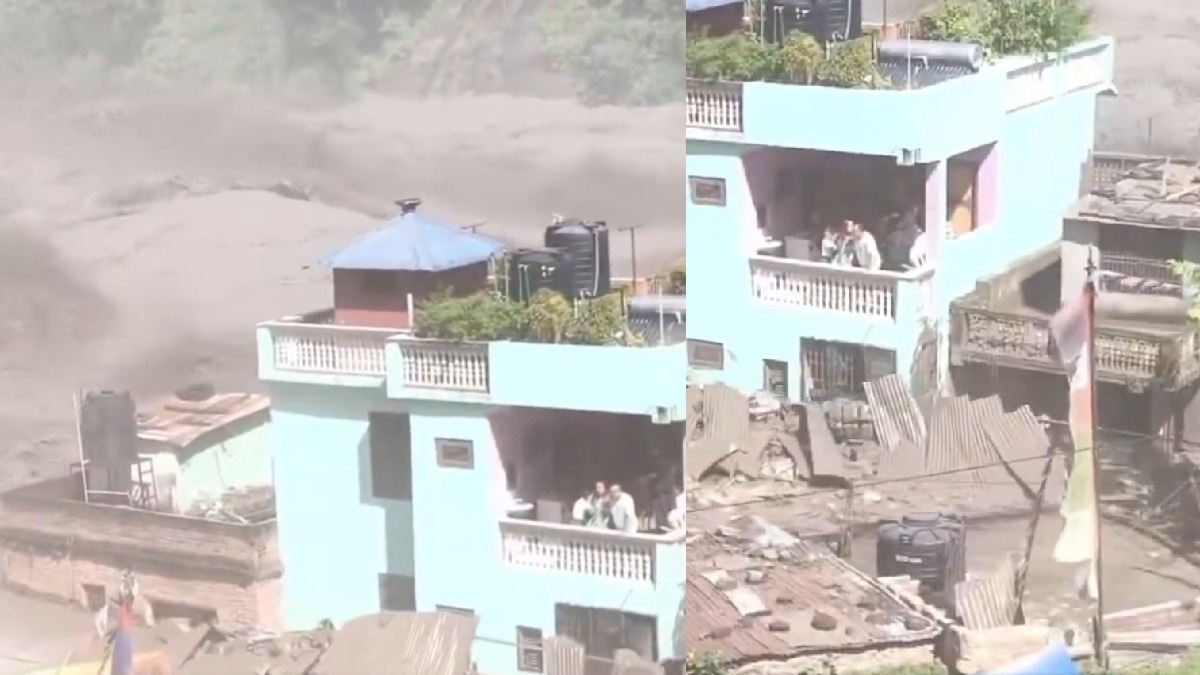
Nepal’s flooding has triggered a desperate rescue operation after more than 100 workers were trapped in a tunnel. And rescue workers are running against time as high water levels, challenging terrain and dangerous conditions inside the underground structure make their mission impossible.
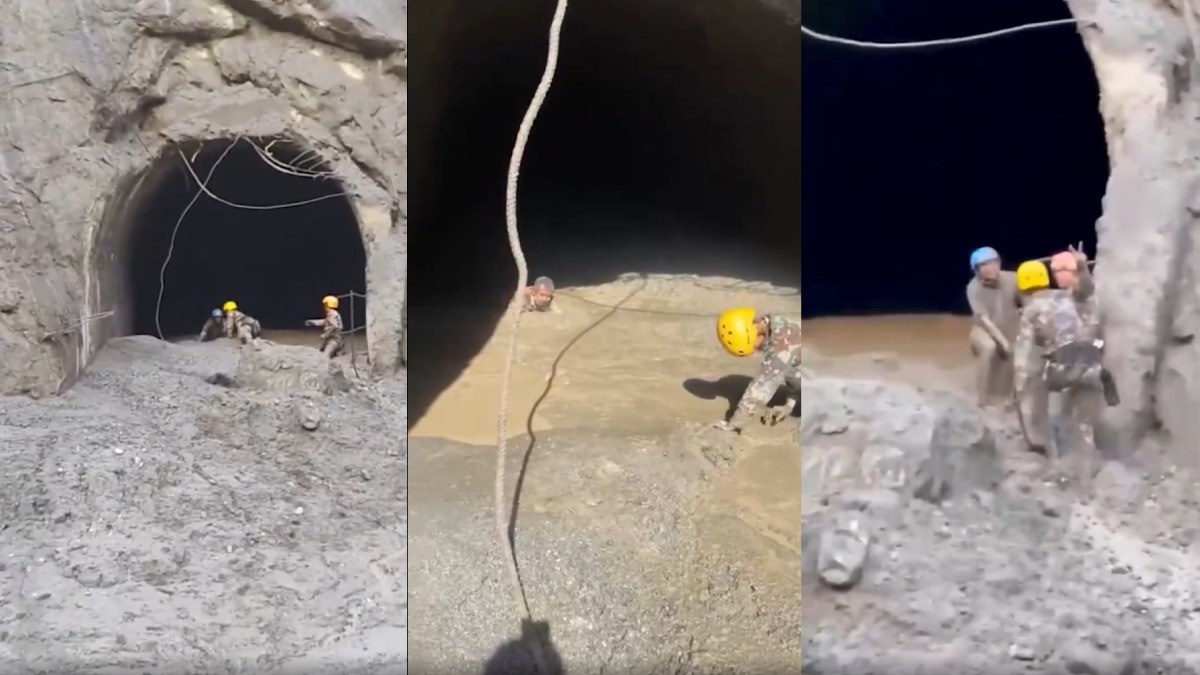
The workers were inside the tunnel when floodwater entered the structure and were unable to escape; the workers lost their means of transportation as the water level in the tunnel rose. Rescue teams were called out to assess the situation and determine the safest way to reach those trapped underground. It has now become a race against time and rescue crews are fighting to access the tunnel with very limited access and a threat of more water entering it.
Tunnel rescues are particularly difficult to conduct in floods because the flooding makes it particularly challenging for tunnel rescues when conditions can change rapidly. Water can block entrances and emergency routes, and debris and damaged infrastructure can make movement dangerous. Rescue teams also have to consider the oxygen supply to the tunnel, visibility inside the tunnel, and structural stability of the passage before sending personnel deeper into the affected area.
Emergency personnel and local officials have been on the scene to respond. Access points and levels of flooding in the tunnel are being established as well as how to get them out.
For the families of the trapped workers, the rescue operation has been one of uncertainty and anxiety. With limited information available from inside the tunnel, relatives are waiting for news of the condition of their loved ones to be shared through the family. The rescue authorities must strike a balance between urgency and caution, as an uncontrolled operation would put the trapped workers and rescuers at further risk.
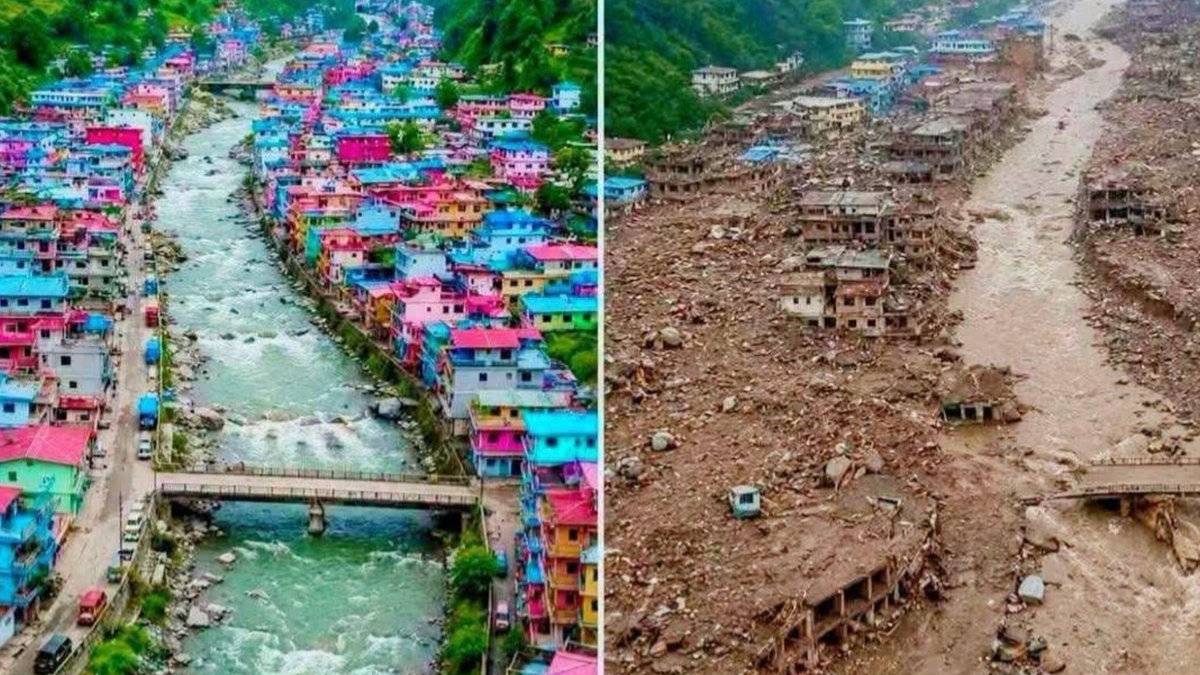
Flooding has been a serious problem in Nepal for years, especially during periods of intense rainfall. The mountainous terrain of Nepal can make rivers and streams rise rapidly, while landslides and debris flows can disrupt roads and isolate those affected. Infrastructure near water bodies or vulnerable locations can be especially exposed when extreme weather strikes.
The tunnel emergency is indicative of a greater danger for workers in large infrastructure projects. Tunnels are designed to provide safe underground access, but flooding can quickly turn them into hazardous places. When extreme weather strikes those facilities, emergency evacuation plans, drainage systems, communication networks and rapid response systems need to be implemented.
As the rescue continues, authorities will do their best to pump water out of the tunnel where possible and provide alternate ways to enter. Should anyone enter the flooded sections, they have to be prepared for unstable surfaces, electrical dangers, poor visibility and fast-moving water.
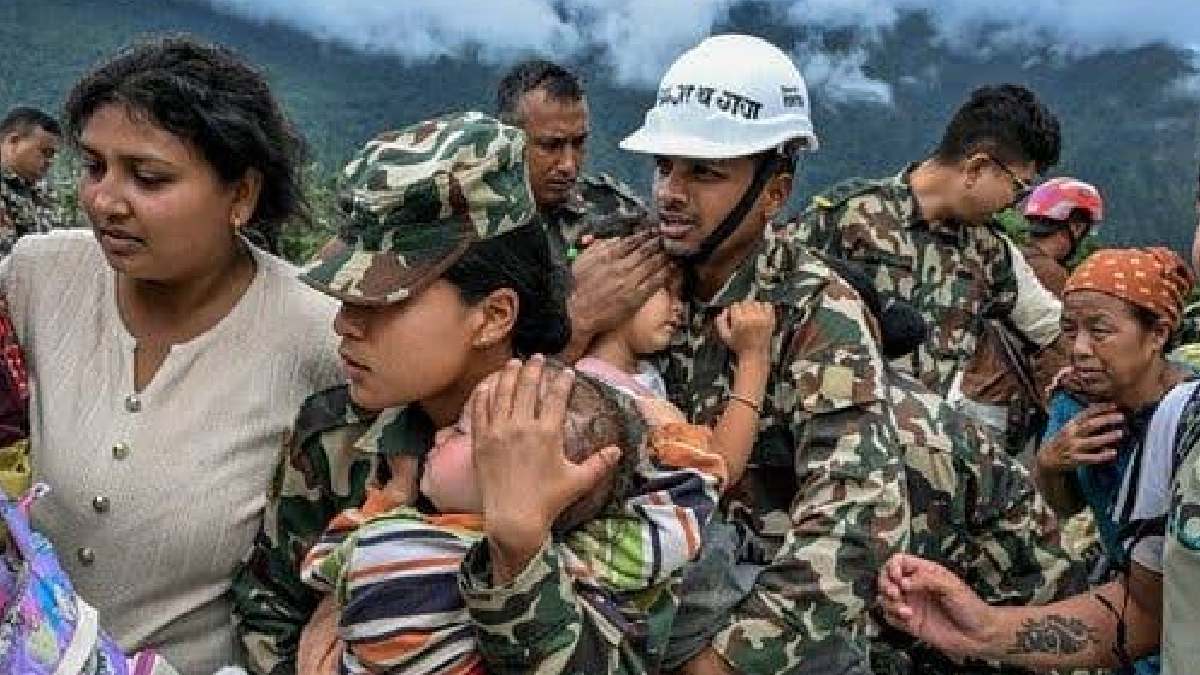
🇳🇵 Nepal’s army has rescued around 350 workers and residents who took shelter inside a hydropower tunnel as catastrophic floods tore through Rasuwa district.
— xxtheeend (@xxtheeend) August 29, 2026
More than 100 people are still believed trapped at the project, with helicopters and specialist teams struggling through…
Coordination is critical during major disasters. Rescue personnel, engineers, medical teams and local officials might need to work together to assess the tunnel, control the floodwater and provide emergency medical assistance once the workers are brought to safety.
The immediate focus is on finding and saving all those trapped. Until rescue workers can establish reliable communication and access safely, there will be uncertainty about the workers’ survival. Every hour is critical in a flood-ravaged and restricted environment where survival will be more difficult.
The Nepal tunnel rescue has hence become one of the most urgent responses to the country’s latest flooding emergency. The authorities and rescue teams are under enormous pressure to find a way inside while avoiding further casualties. For the workers’ families and colleagues, the hope is that the ongoing efforts will soon result in a breakthrough and that those trapped underground can be brought back to safety.