Pakistan, Saudi Arabia and Turkey will hold their first formal meeting today under the newly signed Makkah Joint Defence Agreement.
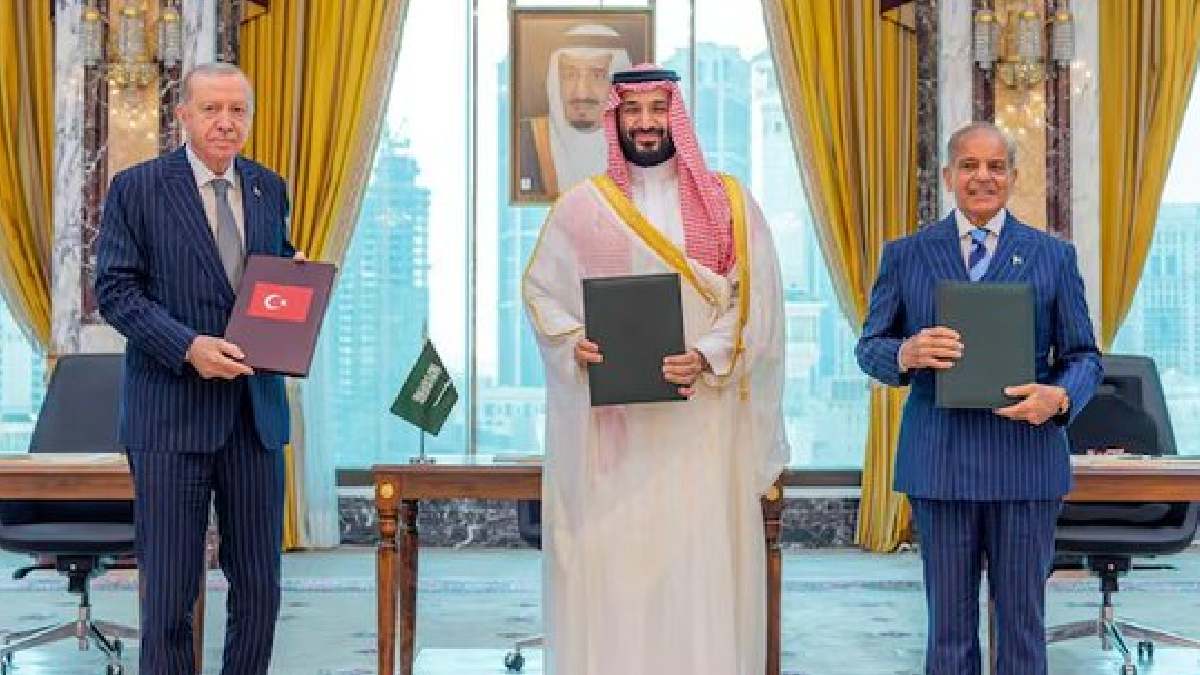
It is expected to be the first time the three countries are in a state of peace and cooperation in defence and security.
The trilateral talks come shortly after Pakistan and Saudi Arabia signed the Makkah Joint Defence Agreement, which has already created a framework for stronger military coordination between the two nations.
Turkey’s participation adds yet another dimension to the emerging security partnership.
Some senior defence and foreign policy officials from Pakistan, Saudi Arabia, and Turkey are expected to attend the Istanbul meeting as well as other Pakistani defence and foreign policy officials.
The foreign and military officials are expected to be represented by key government and military officials from the Pakistani government and military officials foreign minister Ishaq Dar, Defence Minister Khawaja Muhammad Asif, and Army Chief Field Marshal Asim Munir.
The main focus of the meeting is likely to be the implementation of the defence agreement and the establishment of practical mechanisms for cooperation.
Military coordination, regional security, counterterrorism, defence technology and joint training could be discussed.
The Makkah defence agreement offers a strong mutual-security agreement under which an armed attack against one participating country would be considered an attack against all.
The arrangement is of international interest in the Middle East and wider Islamic world because of its possible impact on security calculations in the Middle East and wider world.
The Istanbul meeting is taking place in the context of growing security concerns across the Middle East. Regional tensions and conflicts have led some countries to review their defence strategies and reinforce military partnerships.
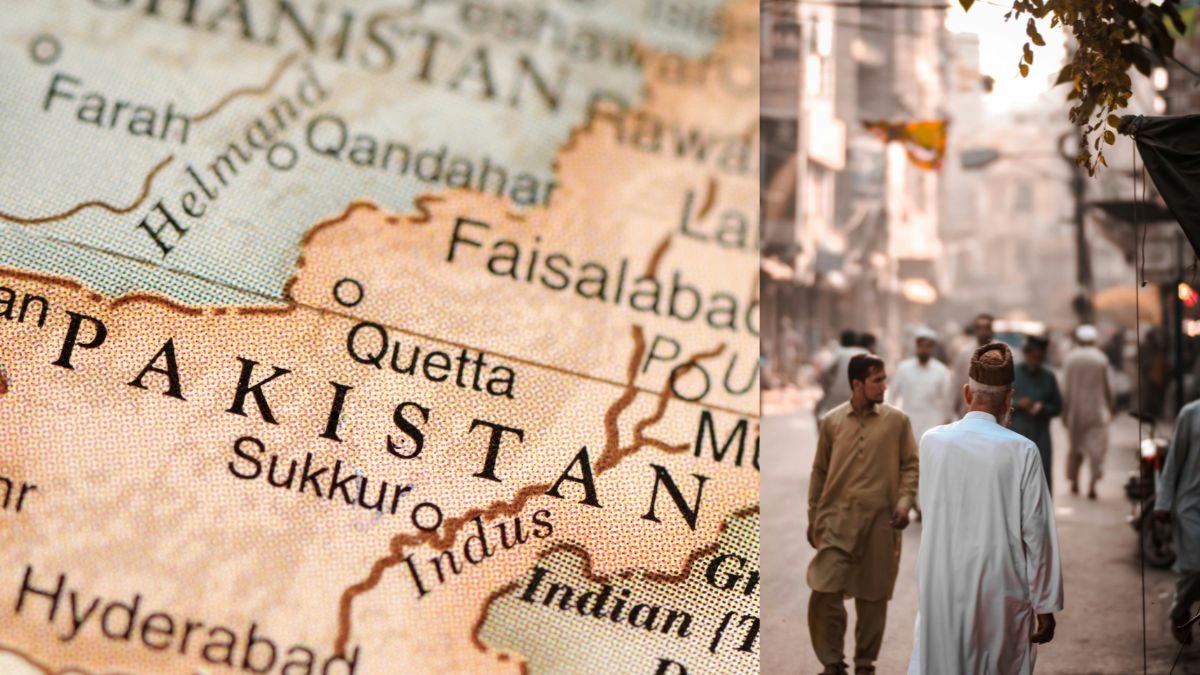
For Pakistan, the agreement is an opportunity to strengthen its already strong defence relationship with Saudi Arabia.
Islamabad and Riyadh have had a good relationship with each other for decades in terms of military cooperation, including training, defence personnel, and security issues in particular.
Turkey has excellent defence capabilities and a growing military-industrial sector. So its involvement would allow for more cooperation in defence production, technology and military expertise.
Saudi Arabia is still a major regional power with great economic and strategic importance and influence. The kingdom is also an important regional entity, however, is strengthening its defence capabilities and expanding its network of alliances with other countries not part of its traditional alliances.
The first meeting in Istanbul could indicate the three countries’ plans to move forward with the new defence framework. Joint exercises, intelligence collaboration, military preparedness and defence industry partnerships will be topics of future discussion.
The partnership may also generate interest from other countries as Islamabad, Riyadh and Ankara explore ways to improve security cooperation. Any decision to bring in other countries into the framework could make it more regional.
The Istanbul talks are therefore being closely watched as an early indication of how the Makkah Joint Defence Agreement will develop.
And although the agreement makes a clear commitment to collective security, the first meeting could give us a better sense of how that commitment will translate into actual defence cooperation.
As regional security issues keep changing, more cooperation between Pakistan, Saudi Arabia and Turkey would surely become an important aspect of the changing geopolitical landscape.