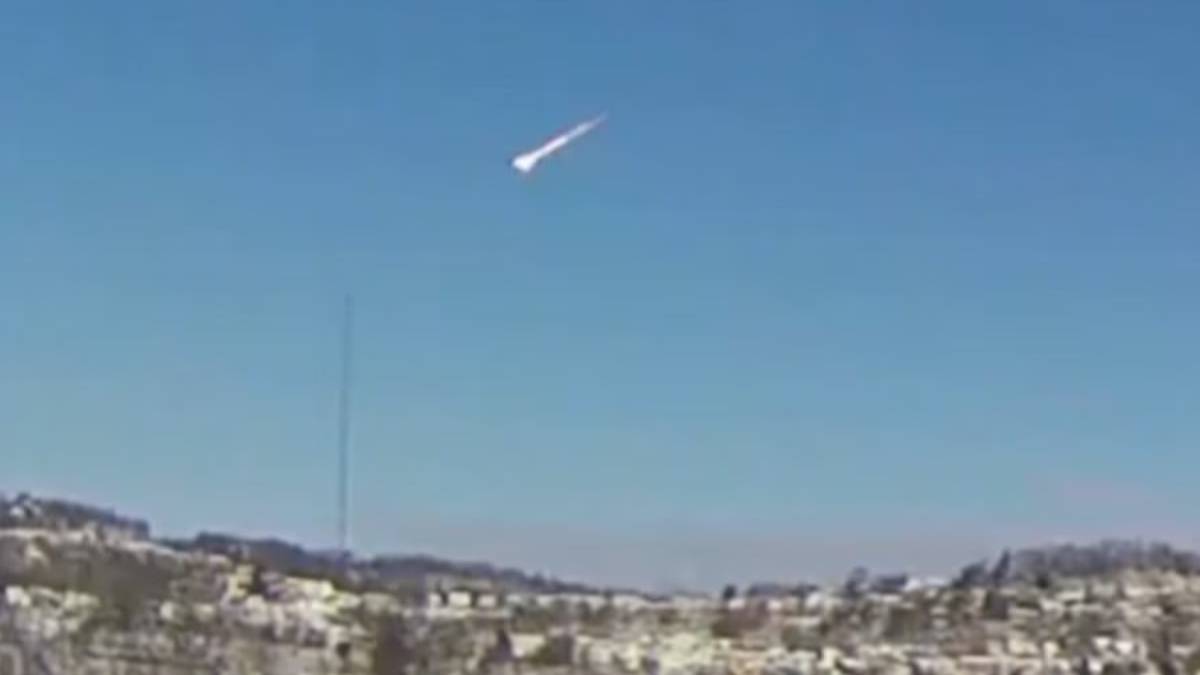
If an asteroid were to strike us all with no warning, it might sound like science fiction, but recently scientists have raised concerns that it is a real if not a dream, at least relatively low-probability threat with NASA’s level of concern.
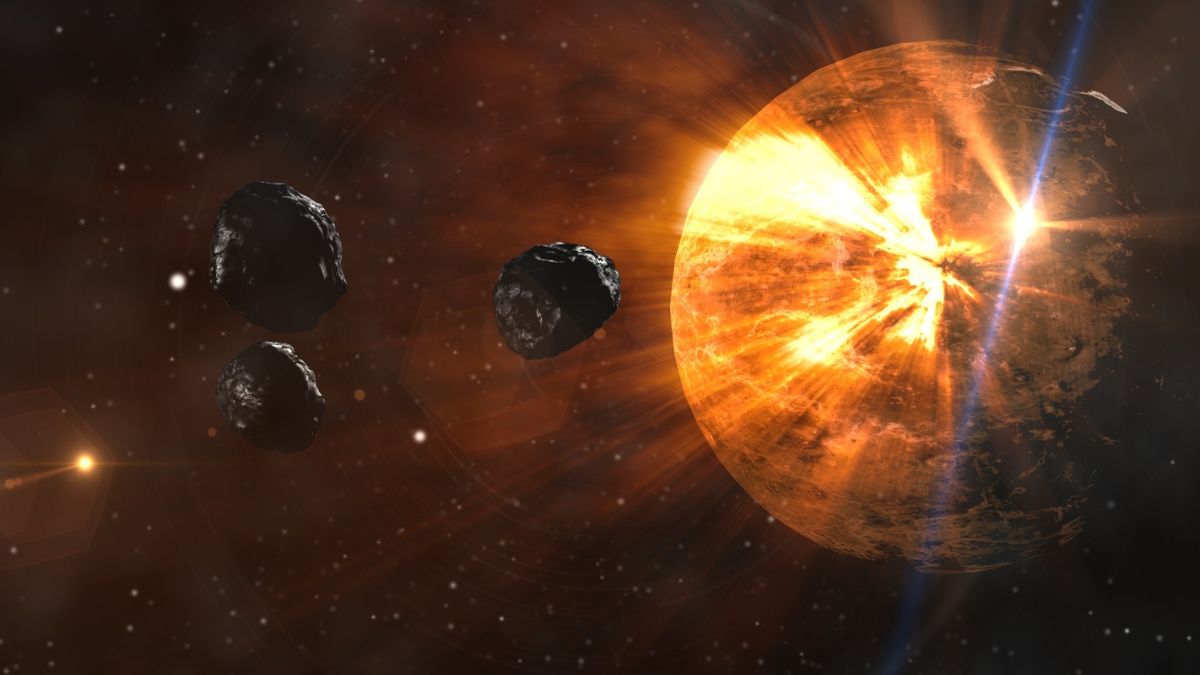
Scientists have warned that tens of thousands of so-called “city-killer” asteroids are still in space and have yet to be detected, and that the planetary defense systems are not well-known and not yet aware of them, which suggests that these systems are still in need of improvement in planetary protection.
"City-killer" asteroids are typically rock-sized objects with sizes between 50 and 150 meters in diameter, enough to destroy an entire metropolitan area if they were to hit the Earth. While much smaller than the asteroid which killed the dinosaurs, these asteroids can cause massive destruction (like many nuclear explosions) depending on their size and composition.
In the last few decades, NASA and other space agencies have made a huge amount of progress in finding and tracking near-Earth objects (NEOs). Advanced telescopes and monitoring systems have catalogued thousands of asteroids and monitors have been used to monitor them, and some of them are now being observed regularly to detect any potential dangerous asteroids. But many smaller asteroids are probably still not detected, particularly those that approach Earth from angles that are too far from the Sun.
One of the main challenges for asteroid detection is that ground-based telescopes are unable to see objects coming from the direction of sunlight. This puts asteroids in a blind spot, and a lot of them could go unnoticed until they are close to Earth. In this case, the warning time would be slashed from years or months to days.
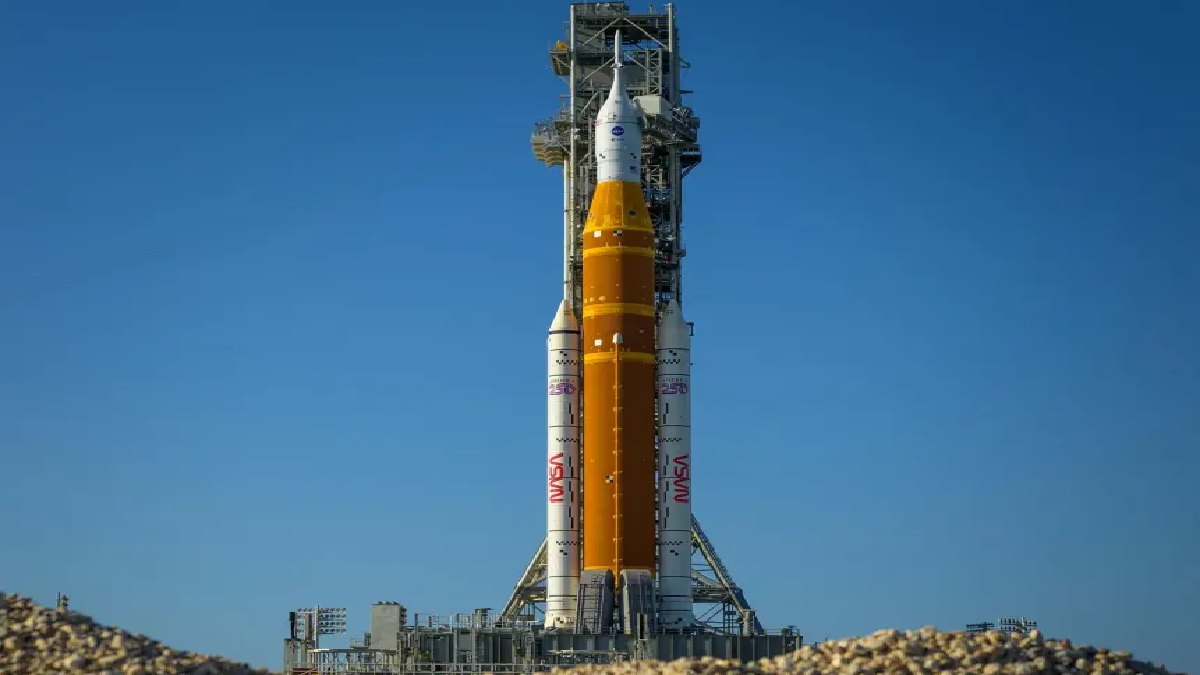
NASA is working on planetary defense. Missions like the Double Asteroid Redirection Test (DART) have shown that it is possible to alter the asteroid's trajectory through kinetic impact. Scientists have a method to prevent asteroid collisions from happening in the future if present warning time is provided.
But experts emphasize that early detection is still key. We are in the process of developing space-based infrared telescopes that can spot asteroids that are currently invisible to ground telescopes and in the future will be very sophisticated. These technologies will enable detection capabilities to become much more substantial in the near future.
As of now, there is no asteroid threat to Earth. But the uncertainty concerning unknown objects is why we have to keep monitoring and fighting back.
But even if the likelihood of a catastrophic impact is low, there would be a high risk that events could occur without warning. NASA’s warning should be a reminder that Earth is in a very dynamic cosmic environment and we must be prepared to safeguard our planet with precision and science.