NASA takes historic strides with the rollout of the Artemis II rocket to Launch Pad 39B at Kennedy Space Center in Florida. The rollout took place in mid-January 2026, marking a milestone in preparation for the first crewed lunar mission in over 50 years. The mission is planned for early February, and it will send four astronauts on a 10‑day trip around the Moon. For NASA, it isn’t a one-off launch, but the start of another chapter in the quest humanity has made to explore the outer limit of earthly knowledge.
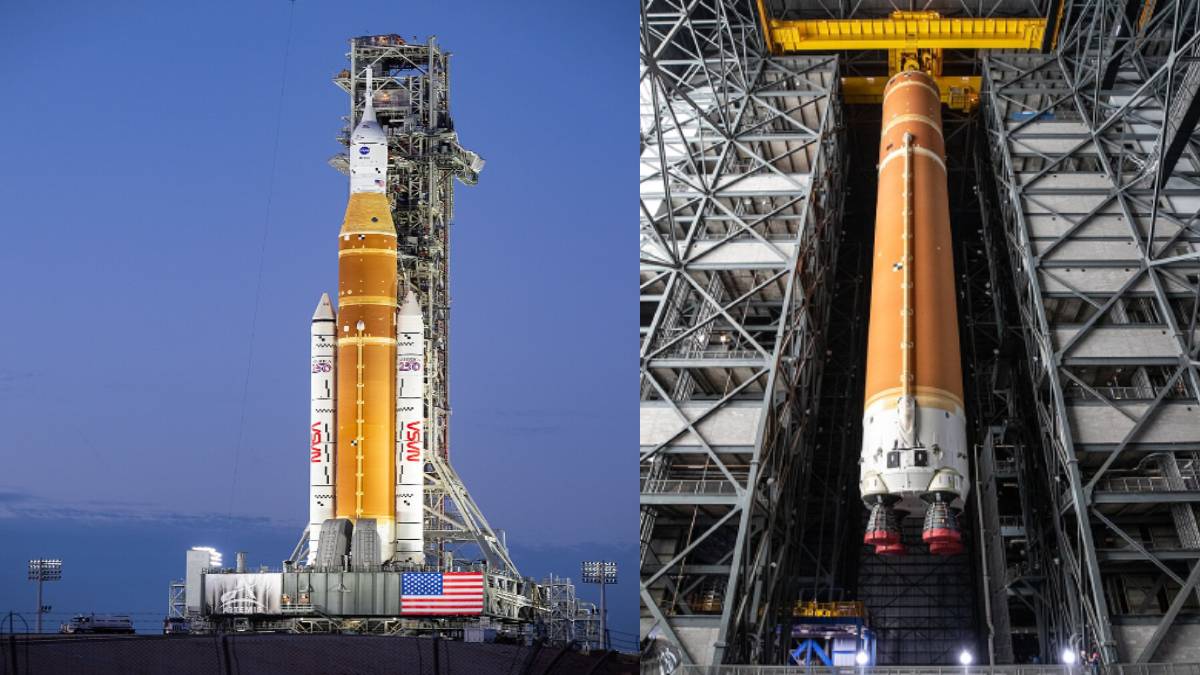
The rollout was a breathtaking sight. The enormous Space Launch System (SLS) rocket, with the Orion spacecraft on top, was transferred from the Vehicle Assembly Building to the launch pad. So far this trip has taken over 11 hours, the rocket cruising slowly at 1.3 km/h. This careful process was crucial to ensure the rocket reached the pad safely, where final checks and tests will be carried out in advance of launch.
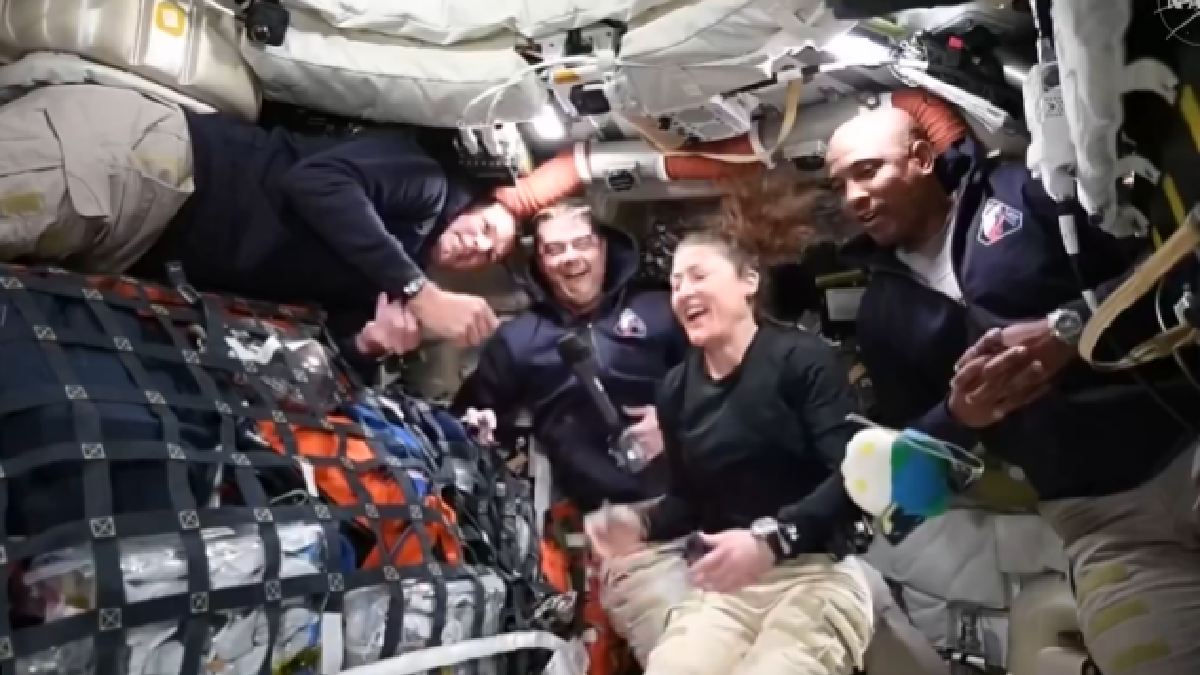
Artemis II is remarkable because it will be the first mission to carry human beings beyond Earth’s orbit since Apollo 17 in 1972. This includes Reid Wiseman, Victor Glover, Christina Koch and Jeremy Hansen from the Canadian Space Agency. They will test key systems on the Orion spacecraft in partnership, testing life support, communication, and navigation. Unlike Apollo missions, Artemis II will not touch down on the Moon. Instead, it will orbit the surface of the Moon, setting the stage for Artemis III, a lunar landing.
The mission has multiple serious aims. First, it will show Orion can safely carry humans on long journeys beyond Earth. Then it will test how the spacecraft will do in deep space, a world harsher than it would fare in low Earth orbit. Third, a good data-gathering tool for NASA will show how astronauts respond to long missions outside the protecting magnetic field of the Earth. These tests are vital before we start looking into more aggressive missions, like landing on the Moon or possibly even ending up on Mars.
The excitement over Artemis II has much more to do than science and technology. It marks the Moon’s symbolic return to humanity, too. People’s dreams for decades of returning have become reality now. This is a feature of global space exploration today: An international astronaut is in its place, making this a truly international effort altogether. NASA works with partners like the Canadian Space Agency, the European Space Agency, and other organizations to bring Artemis into existence.
Of course, challenges remain. Launch schedules are influenced by weather conditions, and Florida’s weather can become unpredictable in February. Technical readiness is a third factor. Engineers must conduct final pad tests, fueling, countdown rehearsals, etc., to verify that the system functions properly. Without landing on the Moon, a 10‑day crewed spaceflight around the Moon is as complex as it is risky. Every system needs to work perfectly to keep the astronauts safe.
For the public, Artemis II is a reminder of how far the quest for space has come since the Apollo era. In retrospect, the aim at that time was to prove that people were capable of getting their hands to the Moon. Now they want to establish a sustainable presence there. Artemis II is the nexus from the past to the future. It shows us that humanity is serious about venturing beyond Earth, not just for short visits, but for long‑term exploration and settlement.
To sum up, the introduction of Artemis II into Launch Pad 39B is not merely a technical achievement but an expression of human determination to venture beyond the known world. The mission will test spacecraft systems, motivate millions and build the groundwork for future lunar landings. If successful, Artemis II will herald the beginning of a new era in spaceflight that could one day take humans to Mars. For now, all eyes are set at Kennedy Space Center, where the rocket stands tall and ready to carry astronauts farther than they have been in half a century.