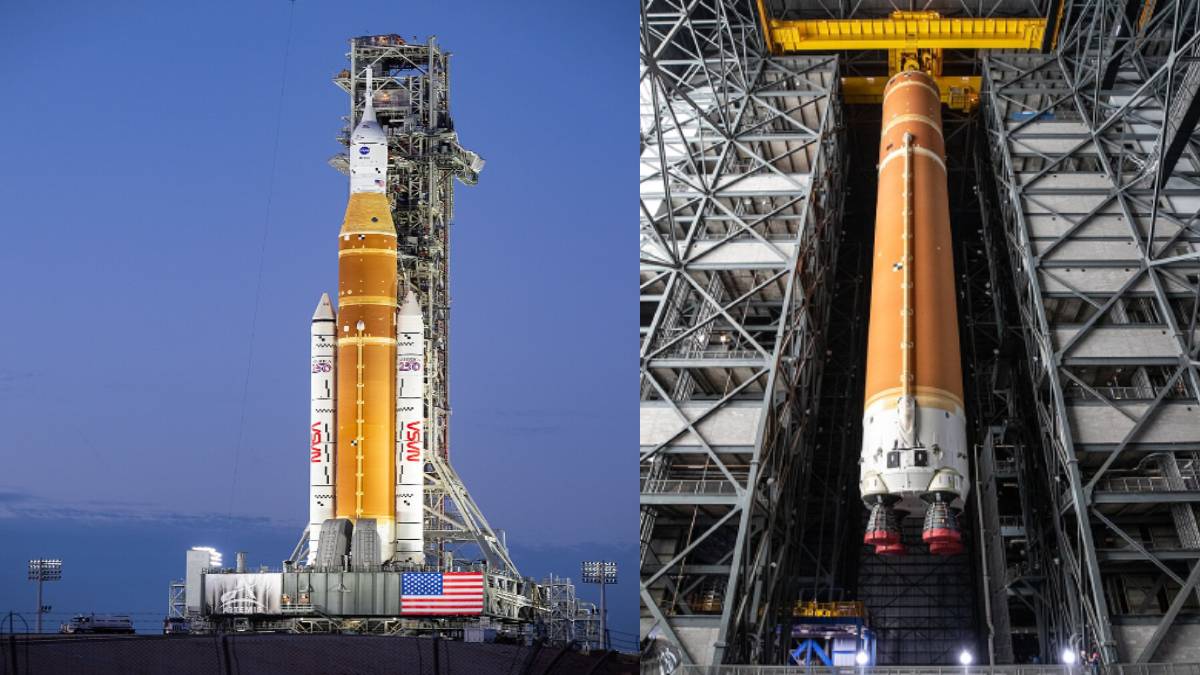
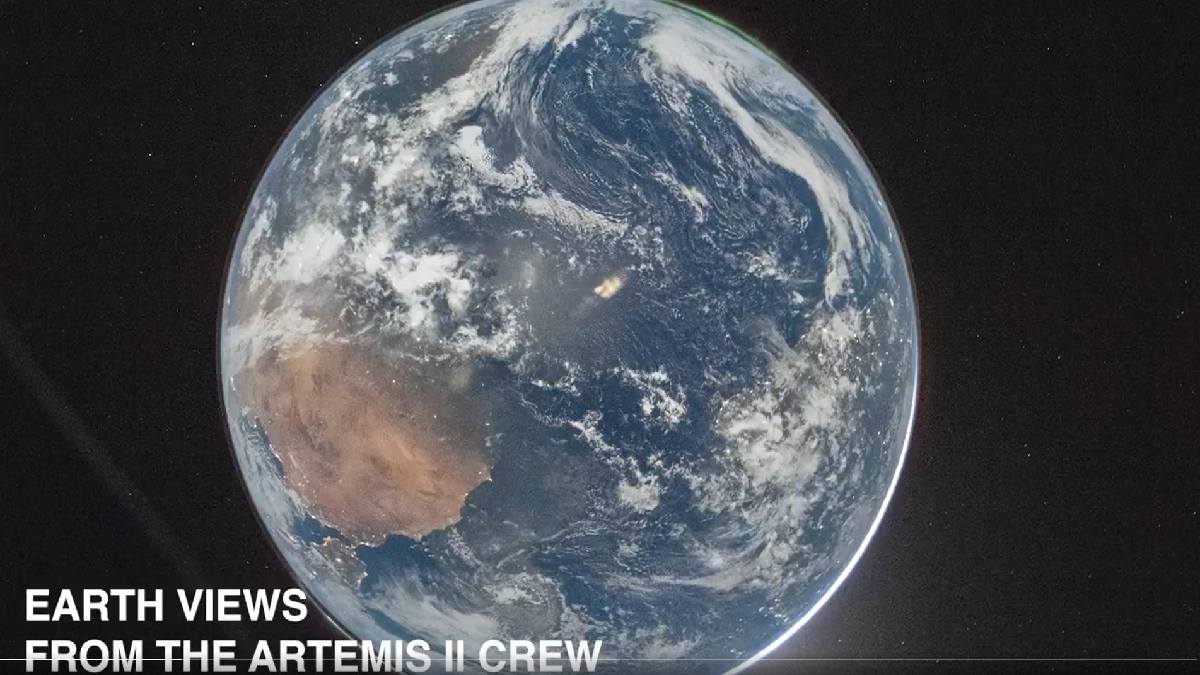
As NASA gears up for the highly anticipated Artemis II launch scheduled for April 1, one of the biggest challenges facing astronauts is not just the journey to the Moon but the invisible threat of space radiation.
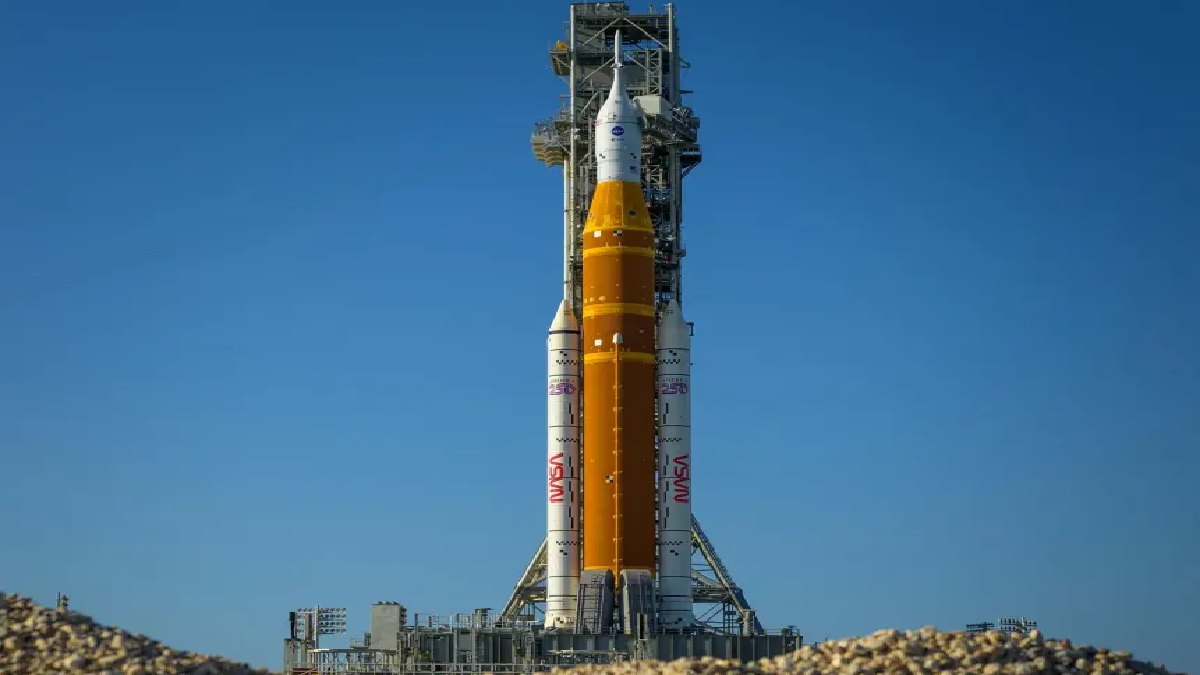
Unlike Earth, which is shielded by its powerful magnetic field, astronauts traveling beyond low-Earth orbit will be exposed to significantly higher levels of radiation. This risk becomes especially critical when the crew leaves the protective zone surrounding our planet and ventures into deep space aboard the Orion spacecraft.
The Threat of Solar Radiation
The Sun constantly emits radiation, but during intense solar events such as X-class flares and coronal mass ejections, it can release streams of highly charged particles that travel across the solar system. These events, collectively known as space weather, can pose serious health risks to astronauts, including radiation sickness.
While the International Space Station operates within Earth’s magnetic shield, Orion will travel far beyond this protection, leaving astronauts more vulnerable.
To monitor such threats, agencies like the National Oceanic and Atmospheric Administration are closely tracking solar activity. If a solar storm is detected during the mission, immediate alerts will be sent to the crew.
Safety Measures Inside Orion
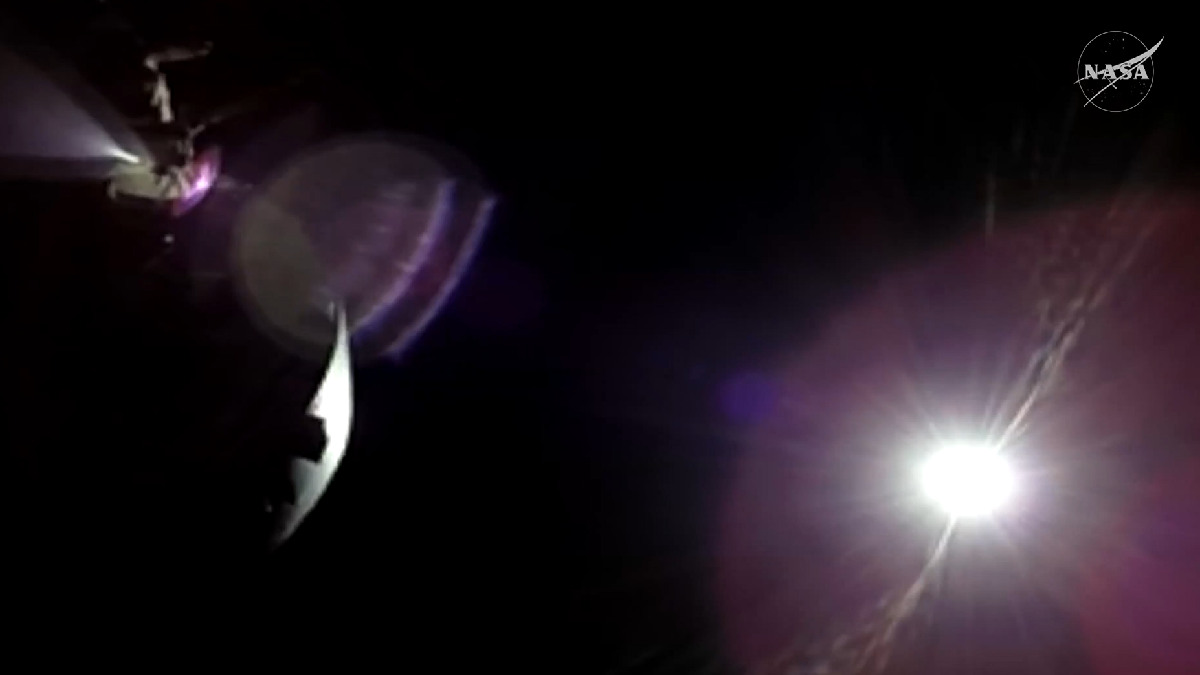
NASA has incorporated several safety features into the Orion spacecraft to protect astronauts from radiation exposure. The capsule is equipped with advanced radiation sensors capable of measuring dose levels across different sections of the spacecraft. Additionally, astronauts will wear personal dosimeters to continuously monitor their exposure.
In the event of a radiation spike, onboard alarms will alert the crew, prompting them to move into a designated “safe zone” within the spacecraft. This area, typically a stowage compartment, can be converted into a temporary radiation shelter.
Astronauts are also trained to rearrange equipment inside the capsule to create additional shielding. By strategically placing materials between themselves and incoming radiation, they can reduce exposure levels significantly.
Monitoring the Sun in Real Time
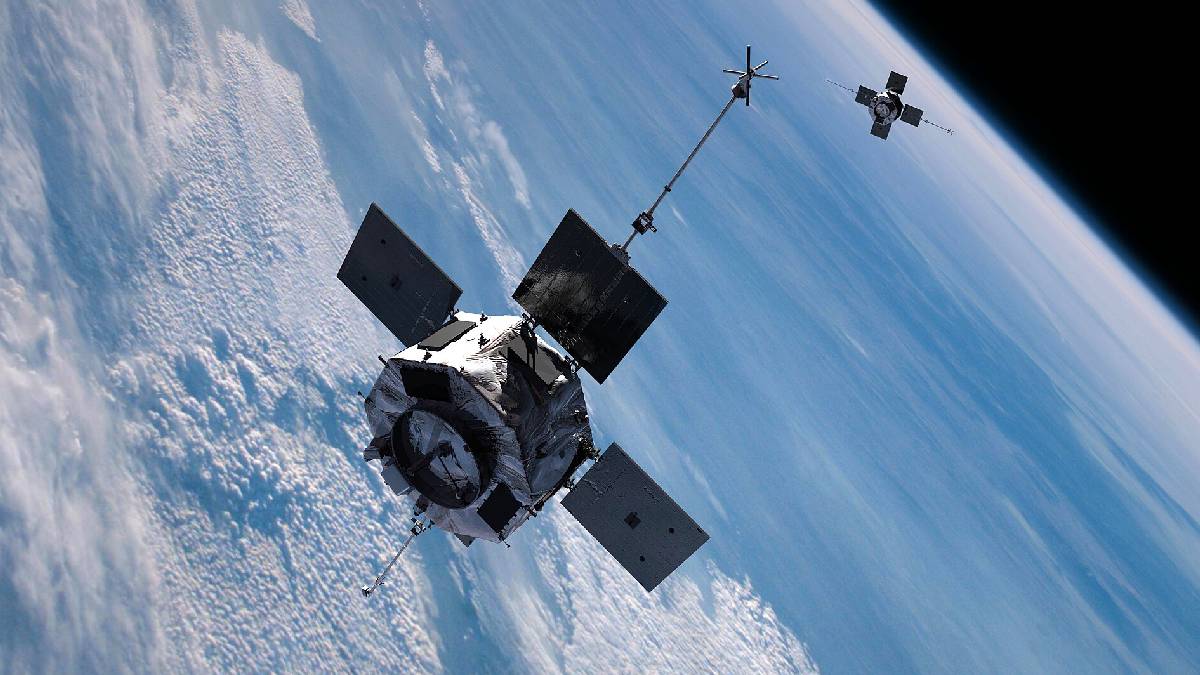
NASA and its international partners are using multiple space-based observatories to track solar activity. These include the Solar Dynamics Observatory, the Solar and Heliospheric Observatory (a joint mission with the European Space Agency), and NOAA’s weather satellites.
Interestingly, the Perseverance Rover on Mars will also contribute by observing parts of the Sun not visible from Earth during the mission.
A Critical Step Toward Deep Space Exploration
Artemis II represents a crucial step in humanity’s return to the Moon and future missions to Mars. While the risks of radiation remain significant, NASA’s extensive preparation and monitoring systems aim to ensure astronaut safety throughout the journey.
As space agencies push the boundaries of human exploration, understanding and mitigating radiation risks will remain a top priority in the quest to explore deeper into the cosmos.