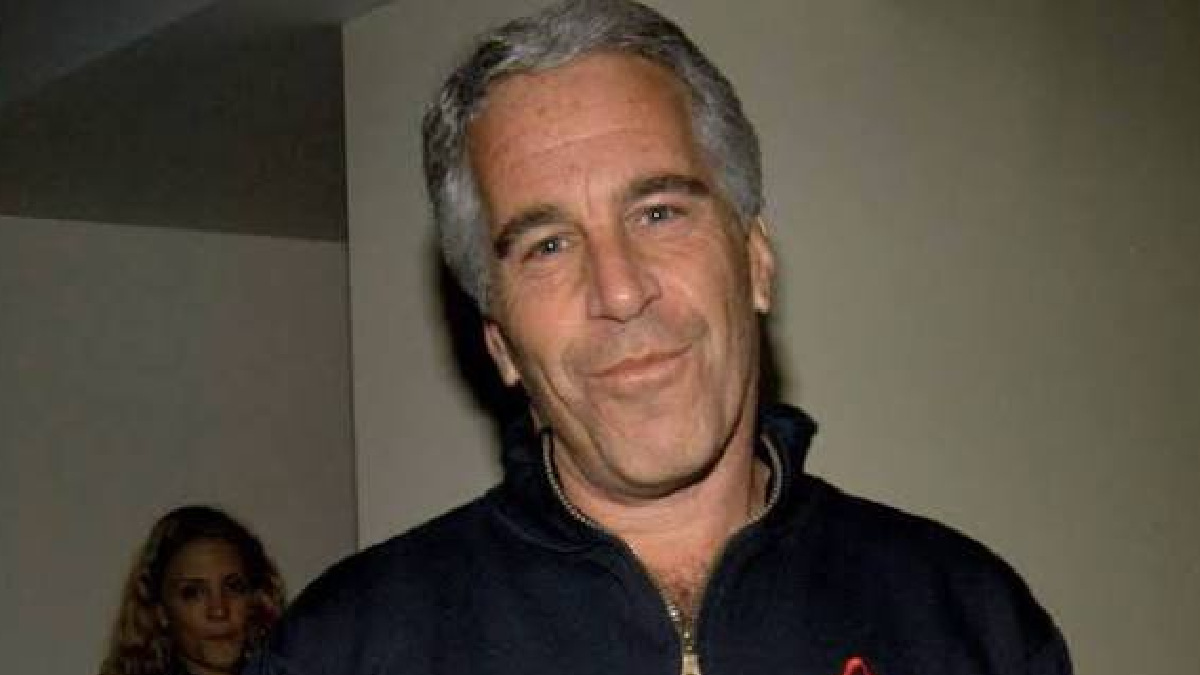
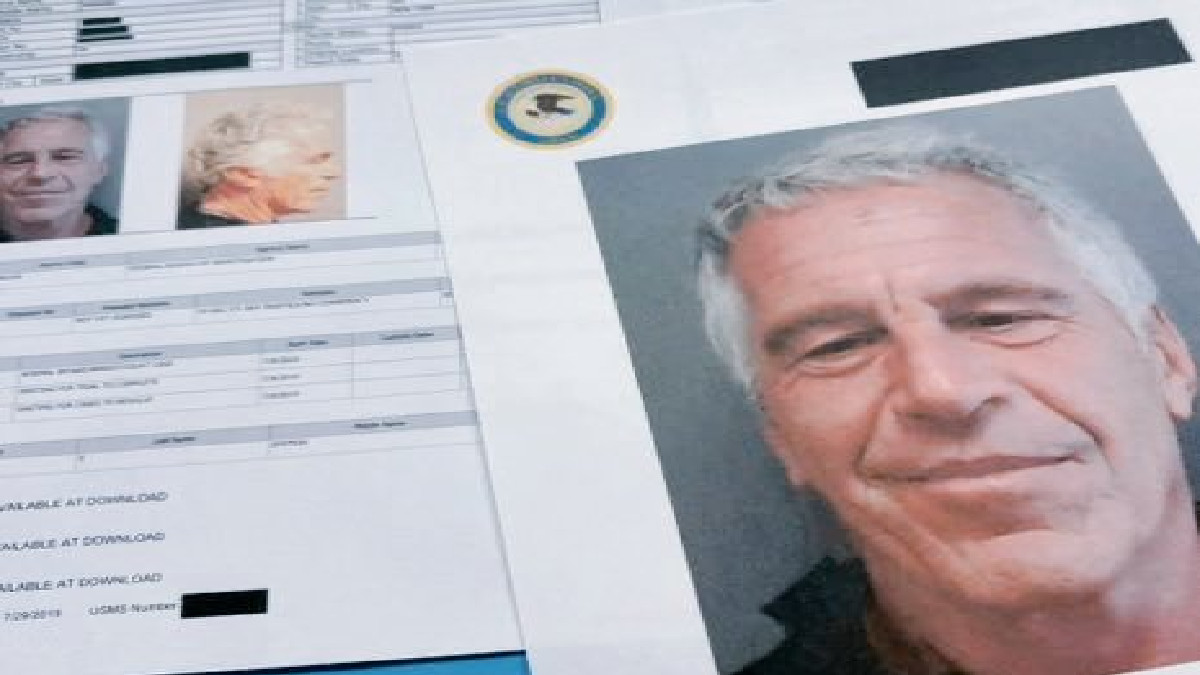
Jeffrey Epstein’s entry into elite scientific circles did not come by accident. It resulted from a conscious, years-long effort to position himself as a wealthy patron, a connector of people and a man fascinated by big intellectual questions. Even after he was convicted in 2008 of soliciting sex from a minor, those relationships proved surprisingly resilient. Epstein also perceived the currency of academia. And breakthroughs can only be done by funding, and that private philanthropy, too, can crack open doors that conventional grants cannot.

Building Networks and Visibility
He also did introductions to billionaires who received philanthropy assistance, suggested future donations and held meetings in which Nobel laureates from multiple industries mingled with university administrators and technology investors. For investigators in costly, cutthroat fields, getting into that network might be tough to break away from. He also pursued visibility. Epstein visited prominent scientists, went to conferences, and showed up on campuses, often photographing the people he did interact with. Relationship with such respected figures helped construct a status that was legitimate and considered intellectually serious. Some eventually said they regarded him as mostly a facilitator who had enjoyed bringing together interesting people, not as someone who wanted direct ownership over research. But they blurred boundaries due to money and access.
Ethical Compromises and Investigations
A number of follow-up investigations after his arrest in 2019 showed that some of the institutions he had been associated with have maintained connections to continue receiving funds to which he had been linked, sometimes through intermediary, or were communicated in a manner that appeared to obfuscate it all. Some people continued to see each other after universities announced formal bans. The interest in safeguarding research budgets as well as the illusion that involvement may have sparked larger gifts from his circle were some of the ethical compromises.
Challenges for Universities
The aftermath challenged universities to confront uncomfortable questions. How thoroughly do donors need to be vetted? Who is supposed to enforce restrictions? And what happens when the lure of funding meets moral responsibility? Reports at multiple campuses exposed breakdowns in communication, inconsistent oversight, and a culture that frequently favored opportunity over accountability. Epstein’s case has subsequently been cited as a cautionary tale about the weaknesses of modern research ecosystems.
Philanthropy is vital, but the episode revealed the demand for transparency and better guardrails. Institutions have made strides around tightening reporting requirements, strengthening conflict-of-interest policies and rethinking how relationships (both to donors and other entities) are addressed. In the end, Epstein didn’t so much seep into science as feed the forces of it. Ambition, scarcity of resources and the prestige of discovery opened doors he was skilled at leveraging with consequences that are still rippling through academia.