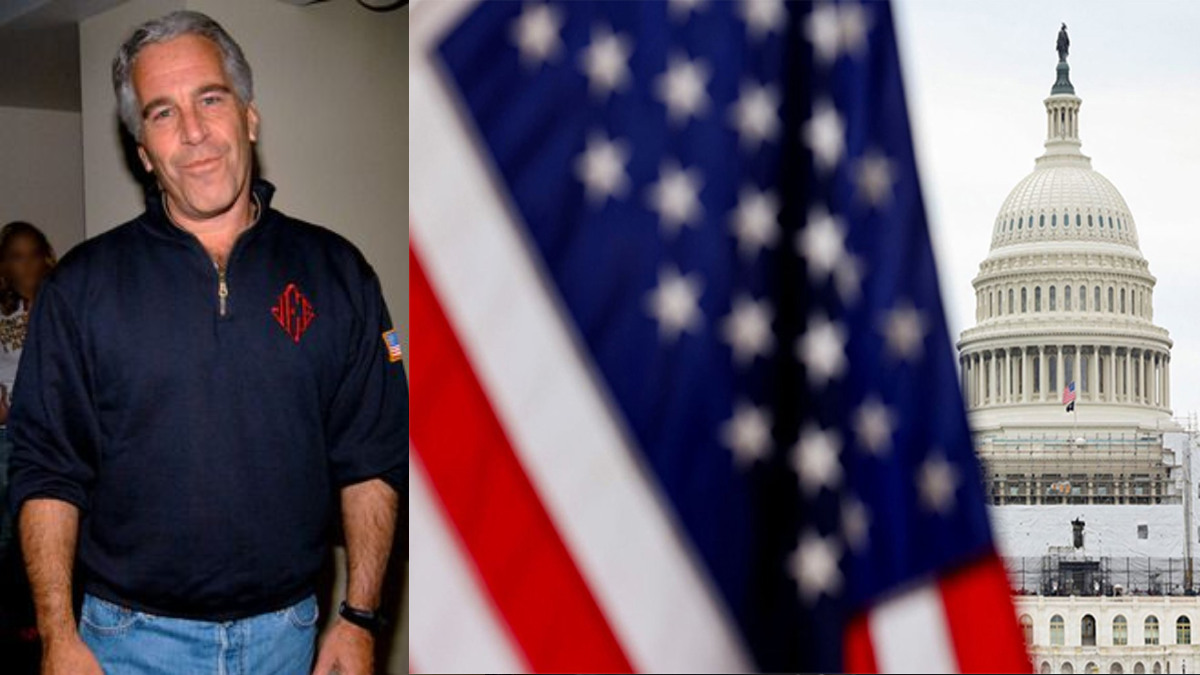
The notorious financier Jeffrey Epstein’s death stands as one of the most debated mysteries facing contemporary criminal justice. Although the New York City Medical Examiner's Office issued the official ruling of suicide by hanging, a notable forensic pathologist whose notes were taken during the autopsy has recently reinvigorated his shocking suggestions that evidence suggests homicidal strangulation. As of February 2026, millions of pages of Department of Justice (DOJ) files under the Epstein Files Transparency Act have been brought under new scrutiny in the same case.

Dissecting the “Strangulation” Narrative: Dr. Michael Baden: Shocking Details
Dr. Michael Baden, a former NYC Chief Medical Examiner who was retained by the Epstein family as a witness, has consistently contested the suicide story. Baden cited a handful of “red flags” discovered in postmortem examination in recent interviews that followed the document’s release in 2026:
- Three Fractures in Epstein’s Neck: The autopsy found three fractures in Epstein’s neck, one in the hyoid bone and two in the thyroid cartilage. Baden told me that he had never seen three of these fractures in a suicidal hanging in 50 years, but he noted that they are much more likely to occur during manual strangulation.
- Ligature Mark Location: Baden explained that the ligature mark was placed in the middle of the neck instead of up high under the jawbone, as is usual in hanging.
- The hemorrhages, known as bleeding ocular: Epstein’s eyes showed petechial hemorrhages (burst blood vessels). As in hanging, they’re an old-fashioned testament to the sheer pressure involved in homicide by strangulation.
- The “Early” Press Release: Oddly enough, files recently released show a draft press statement from the U.S. Attorney’s Office dated August 9, 2019 one day before Epstein was discovered dead. Officials have scoffed at this as a clerical dating error, but skeptics refer to it as “foreknowledge.”
The Official Decision: Suicide by Hanging
But the Chief Medical Examiner Dr. Barbara Sampson and the DOJ Inspector General have held out steadfastly for the initial 2019 ruling, despite the controversy. Their findings are based on:
- Absence of Defensive Wounds: autopsy results reveal no signs of defensive welts, including DNA traces under fingernails or bruised knuckles that are often seen in homicide victims.
- Surveillance Gaps: Though two cameras outside Epstein's cell were faulty, the FBI says no one had access to the cell during the hours he died.
- Psychological Status: According to a Bureau of Prisons report, Epstein was devastated at having lost his standing in society and that he might have to live a lifetime behind bars.
Systematic Failures at the MCC
Whether it was suicide or foul play, the investigation confirmed that the prison had “total breakdowns” in security:
- Without guards checking up every 30 minutes and later falsifying records to hide that they were sleeping, the guards failed to do their duty.
- Epstein was solitary despite being told he should always have a cellmate.
- The original Master Surveillance tapes from the jail were reported to have been obliterated by the FBI in 2024, arguing that there were procedures in place for handling cases classified as "closed."