The wake-up call for Hawaii is Hurricane Lala, which has left a trail of destruction across the island chain: flooding, widespread power outages and damage to critical infrastructure are severe in Hawaii. Many bridges along Highway 11 on the Big Island have been washed away by torrential floodwaters, isolating a number of communities and disrupting transportation; some roads around Pāhala are still blocked and flooded.
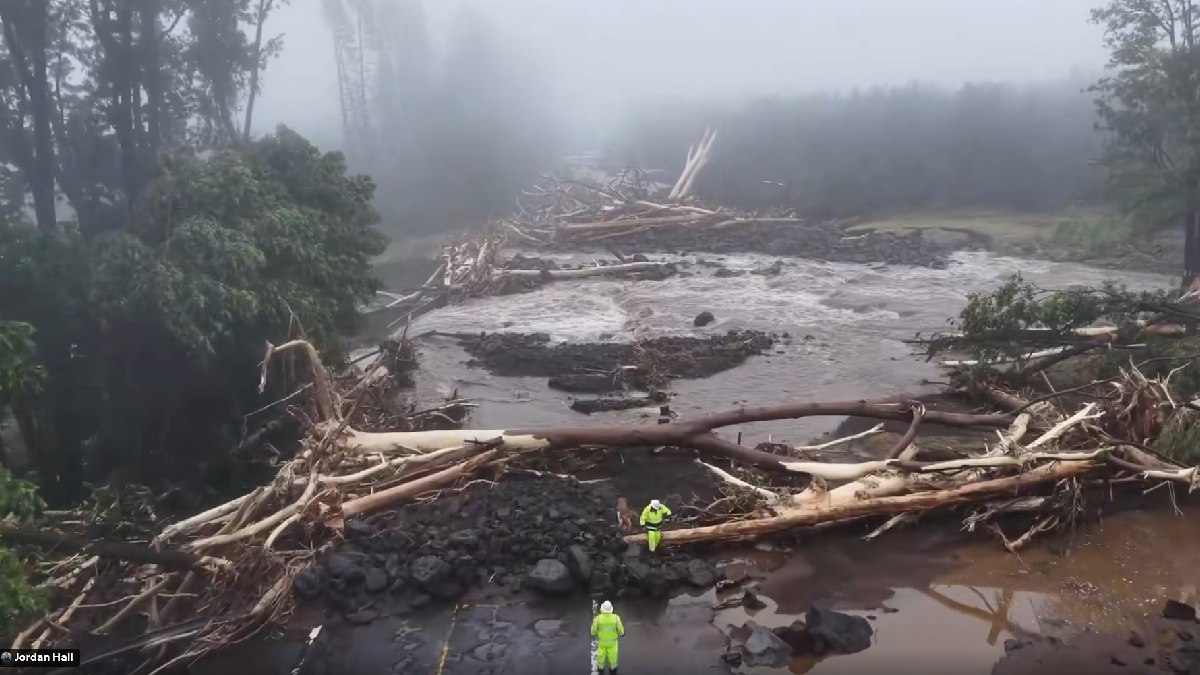
The hurricane brought torrential rainfall, strong winds, and heavy storm surges that overwhelmed rivers, drainage systems, and coastal areas. Floodwaters inundated cities and rural areas, making roads impassable, flooding homes, and emergency personnel arrived to conduct rescue and relief operations. The governor has warned people to avoid going too far away because many roads are still dangerous, he said.
More than 197,000 people in Hawaii are without electricity, and many more need help. Utility companies are working around the clock to assess damage and restore power, and repairs may take time because of the damage, officials said. Fallen trees, damaged transmission lines and flooded substations have complicated restoration efforts, especially in remote and heavily affected areas.
The collapse and washout of bridges along Highway 11 have emerged as one of the most serious infrastructure challenges following the storm. Highway 11 is a vital transportation link to and from the Big Island, and it connects communities and essential services. A lot of the bridge has been destroyed, and reconstruction will take time before normal traffic can be resumed.
Residents in Pāhala and surrounding areas describe terrifying scenes as floodwater levels soared during the height of the storm. Many roads crumbled under floodwater as rivers and streams overflowed their banks. Emergency officials issued alarms throughout the storm and told residents to shelter in higher ground and avoid areas where floodwater levels were high.
State and local officials have laid out emergency response plans. Search and rescue teams, public works workers and utility professionals are on the ground assessing damage, clearing debris and helping stranded residents. Shelters have been opened for families displaced by flooding or prolonged power outages.
Hurricane Lala rapidly strengthened before it came close to Hawaii, and it had sustained high winds and torrential rainfall. The storm has weakened and moved away from Hawaii, but officials say the danger is not over. Saturated soils increase the likelihood of landslides, and swollen rivers and streams may lead to more flooding even as rainfall decreases.
The financial damage from the hurricane is expected to be substantial. Damage assessments are still ongoing, and initial estimates suggest losses may be well in the hundreds of millions of dollars. Agriculture, tourism, transportation and local businesses are all affected by the storm. Restoration of infrastructure rebuilding bridges and restoring utilities is going to take significant resources and time.
Governor and emergency management officials have advised residents to remain vigilant and monitor official updates as recovery efforts continue. They are working to restore essential services, re-establish transportation routes and ensure that vulnerable populations receive necessary assistance.
Hurricane Lala once again has highlighted Hawaii’s vulnerability to extreme weather events and the need for disaster preparedness. Emergency responders, utility workers and volunteers are still at work to help residents recover and restore normalcy after one of the most destructive storms to impact the islands in recent years.