Indian Air Force and Royal Malaysian Air Force (RMAF) have been engaged in bilateral Exercise Udara Shakti 2026 at Subang Air Base in Malaysia for joint training, professional exchanges and operational learning. It will help strengthen collaboration between the two air forces that will enable officers from both sides to share experiences and work with each other.
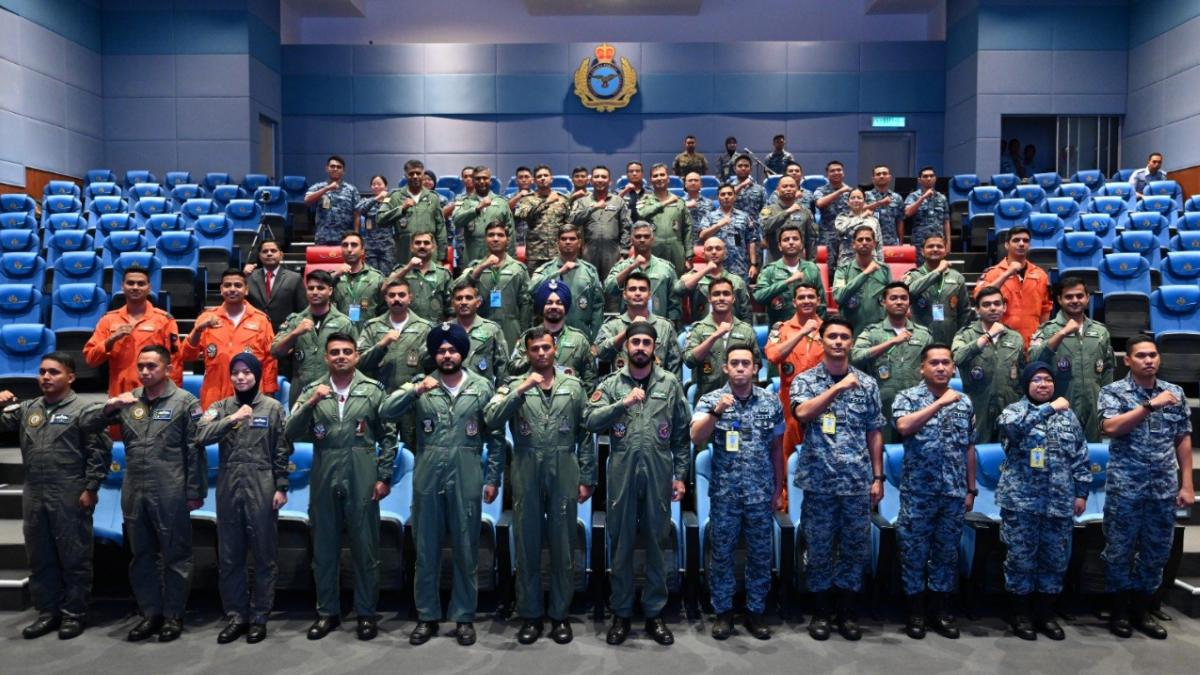
Udara Shakti is a great platform for India and Malaysia to strengthen their defence cooperation through practical interaction of the air forces. The exercise incorporates joint field training and work with SMEs (subject matter experts) so that all involved can learn from each other on different tactics and practices and techniques.
The aim of the exercise is to improve interoperability between the parties. Interoperability refers to how different military units and services work together in a given operation. Teams interacting with other countries can gain knowledge about procedures, communication methods and operational practices, and the practice can be useful later in working with them.
The presence of Indian Air Force personnel in Malaysia also reflects the increasing importance of defence engagement between India and countries in Southeast Asia. Malaysia is one of the best military-to-military relations and the Indo-Pacific region in general.
During Exercise Udara Shakti 2026, Air Warriors from India and Malaysia are provided field-based training for practical learning. This training allows them to work together in a structured way and to understand the operational practices of their colleagues.
The Subject Matter Expert exchanges are a part of the exercise as well. The air force and the military experts from both air services can discuss how to work in the field and what is best practice (and how to do it best) with each other so that the participants could gain new insights and ideas for improving their capabilities.
Joint exercises also are a great opportunity for personnel to understand what it is like to be in another air force. Each military operates in its own physical, logistical and operational environment. Experienced people can share that knowledge and be more informed in air operations and why the air force is adaptable.
Such international exercises are part of the overall strategy for the Indian Air Force to have good professional relations with partner nations. Training with foreign air forces might expose personnel to different operational philosophies, and it offers opportunities for learning beyond the usual domestic exercises.
For the Royal Malaysian Air Force, hosting the exercise at Subang Airbase is an opportunity to engage directly with Indian Air Force personnel and strengthen bilateral defence ties. Air warriors from both countries can share more knowledge and confidence.
Exercise Udara Shakti 2026 also highlights the role of military diplomacy in India’s wider relationship with Southeast Asian nations with a military diplomacy program. Defence exercises are not only tactical exercises but also build relationships. They can create a better relationship between the armed forces and the armed forces, not just a short-term relation but also a relationship that lasts for the long term.
The need for operational learning is especially pertinent in this complex security environment. Modern air forces are evolving technologically and with operational challenges to the air force, training is not enough. Training and professional exchanges should be done so that personnel continue to be prepared for changing circumstances.
The exercise also illustrates the importance of sharing best practices. Different personnel from different countries may face the same operational problems in different ways. Comparing the techniques can also help us see good and bad practices and also will inspire the participants for new strategies to plan, organize and execute.
Interoperability is another important outcome of bilateral exercises. India and Malaysia have their own defence structures and procedures and joint training can increase familiarity between personnel. This might be helpful if countries work together to aid in humanitarian assistance, disaster response, maritime security or other areas of cooperation.
The professional relationships formed during exercises also have long-term effects. Military cooperation typically goes beyond the duration of a single exercise, and those involved in the exercise will maintain contact with each other and exchange information for a long time.
India and Malaysia have maintained defence and security cooperation through different channels through different methods of interaction, and exercises such as Udara Shakti enhance those relations further. Air force cooperation is especially important given the necessity of air power as a component of modern defence planning and regional security.
So, the ongoing exercise at Subang Airbase is more than a training exercise. It is also an expression of continued defence cooperation between India and Malaysia. Both sides are working towards an understanding-based training and expert exchange at the most basic level to improve interoperability.
Exercise #UdaraShakti 2026
— Indian Air Force (@IAF_MCC) August 12, 2026
The Indian Air Force and Royal Malaysian Air Force are conducting bilateral Exercise #UdaraShakti 2026 at Subang Airbase, Malaysia.
Air Warriors from both nations are engaged in joint field training and Subject Matter Expert exchanges, focused on… pic.twitter.com/Ge7F5SIPKy
The exercise will provide air warrior participants with a lot of exposure to their peers and opportunities for practical learning. The experience gained from joint exercises and professional interactions and the development of the two air forces will contribute in the future as well, as they get used to working together.
The exercise Udara Shakti 2026 demonstrates the importance of international military exercises to build partnerships. India and Malaysia will work together to enhance mutual comprehension and international air force interaction through joint training, knowledge sharing and sharing of operational best practices.