As artificial intelligence transforms software development, organizations are turning to open source components to accelerate innovation. But that reliance has also widened the attack surface for cybercriminals targeting software supply chains. IBM and Red Hat have recently created Lightwell, a new platform that is designed to enhance open source software supply chain security and integrity in the AI era in a very real way.
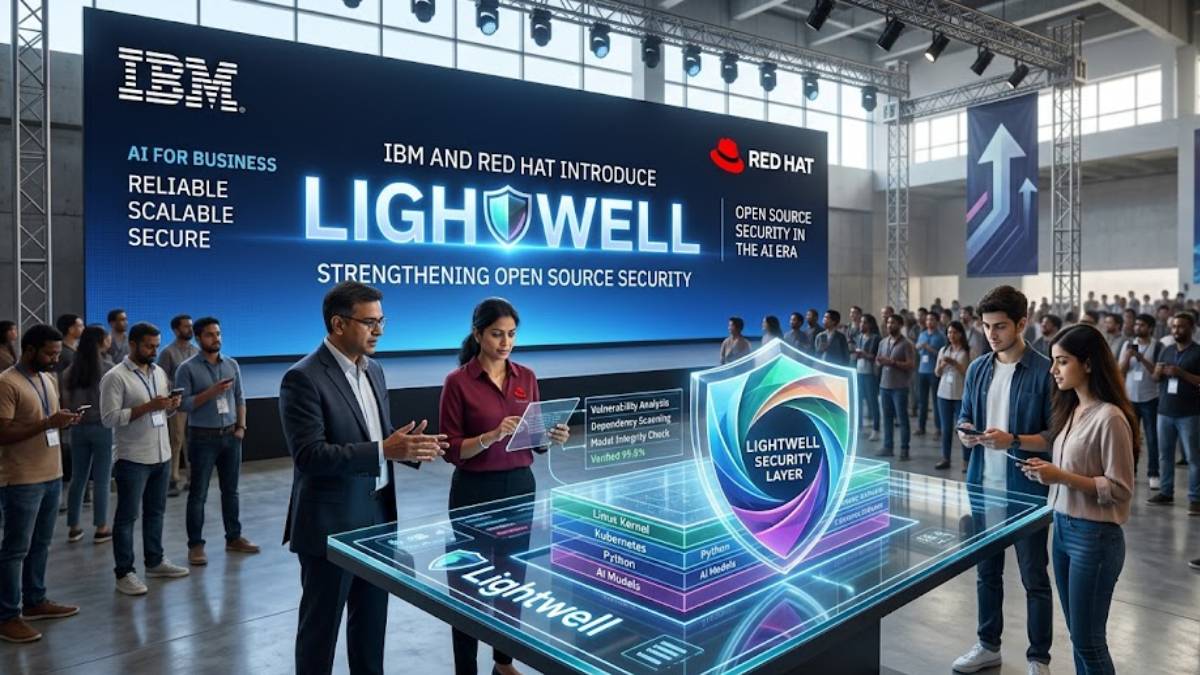
Today's applications are made up of thousands of open source libraries, frameworks, and dependencies from multiple repositories. While this ecosystem enables developers to build applications faster, it also gives them the potential for malicious code, compromised packages, and supply chain attacks to penetrate software before release. Recent cyber-attacks show that every single compromised dependency can have a huge effect on thousands of organizations worldwide.
Lightwell is designed to increase transparency, trust, and security throughout the software development lifecycle. Through this platform, organizations can verify the authenticity of software components, monitor dependencies, and improve visibility into software artifacts, thus lowering open-source software adoption risks.
The launch is at a time when generative AI is speeding up the creation of code. AI-powered coding assistants can certainly boost developer productivity, but they also pose new challenges in software quality, dependency management and security validation. With a growing number of AI-generated code components being open source, it’s a priority for organizations to ensure that code components are trustworthy.
IBM and Red Hat believe that software supply chain security should be embedded into development pipelines rather than viewed as an afterthought. Their approach is consistent with DevSecOps principles, where security is integrated into every step of software development from code writing to testing, deployment, and continuous monitoring.
Lightwell’s other advantage is that it focuses on open standards and collaboration. Open source has always flourished because of community participation, transparency, and shared innovation. With tools that help developers identify issues, verify software provenance, and improve compliance, IBM and Red Hat will help build trust in the wider open-source ecosystem.
For companies in highly regulated industries such as finance, healthcare, telecommunications, and government, software integrity is an increasingly important business and regulatory imperative. Organizations will have to prove to customers where their software originated, how it was designed, and whether its components have been independently verified.
As cyber threats become more prevalent, proactive software supply chain security is no longer an option. Software solutions like Lightwell are an important step toward a more resilient software ecosystem where organizations can confidently embrace AI-driven development without compromising security.
The IBM-Red Hat partnership is also indicative of a general trend: artificial intelligence innovation must be matched by strong investment in cybersecurity, transparency, and software trust. As AI adoption spreads globally, Lightwell could be important for the future of secure software development.