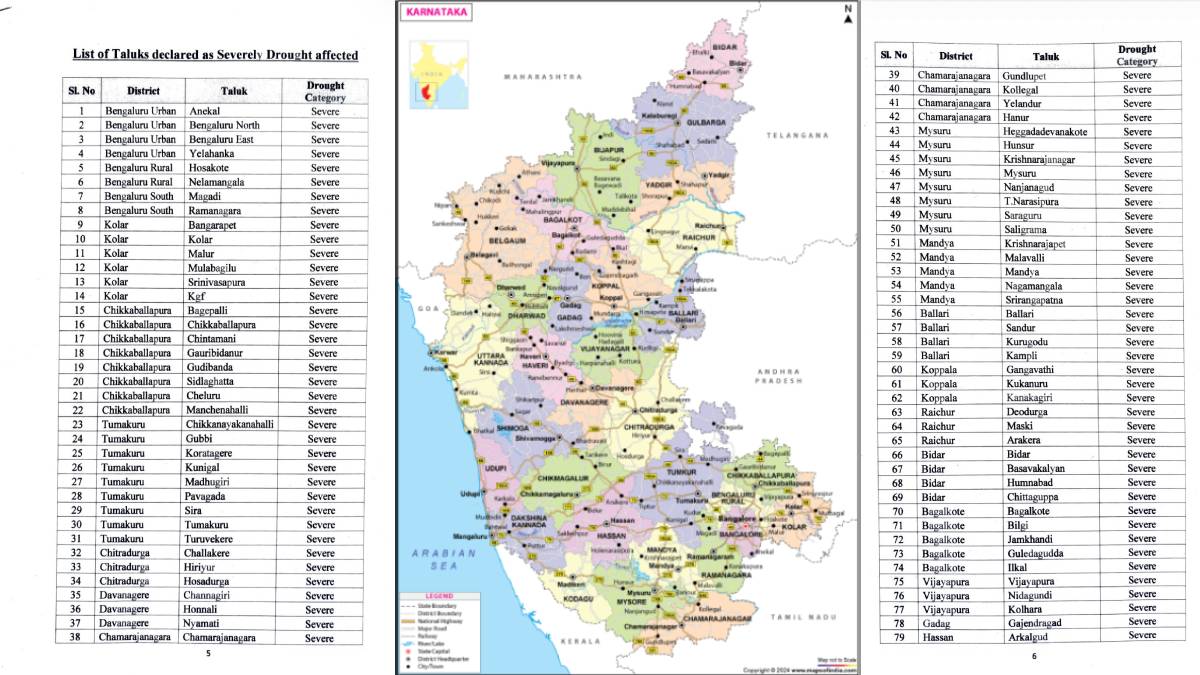
A distressing incident from Lajirwani village in Khalapur taluka of Maharashtra's Raigad district near Mumbai has once again brought attention to the infrastructure challenges faced by remote rural communities. A pregnant woman in labour had to be carried in a cloth sling by villagers due to the absence of a motorable road to reach her home.
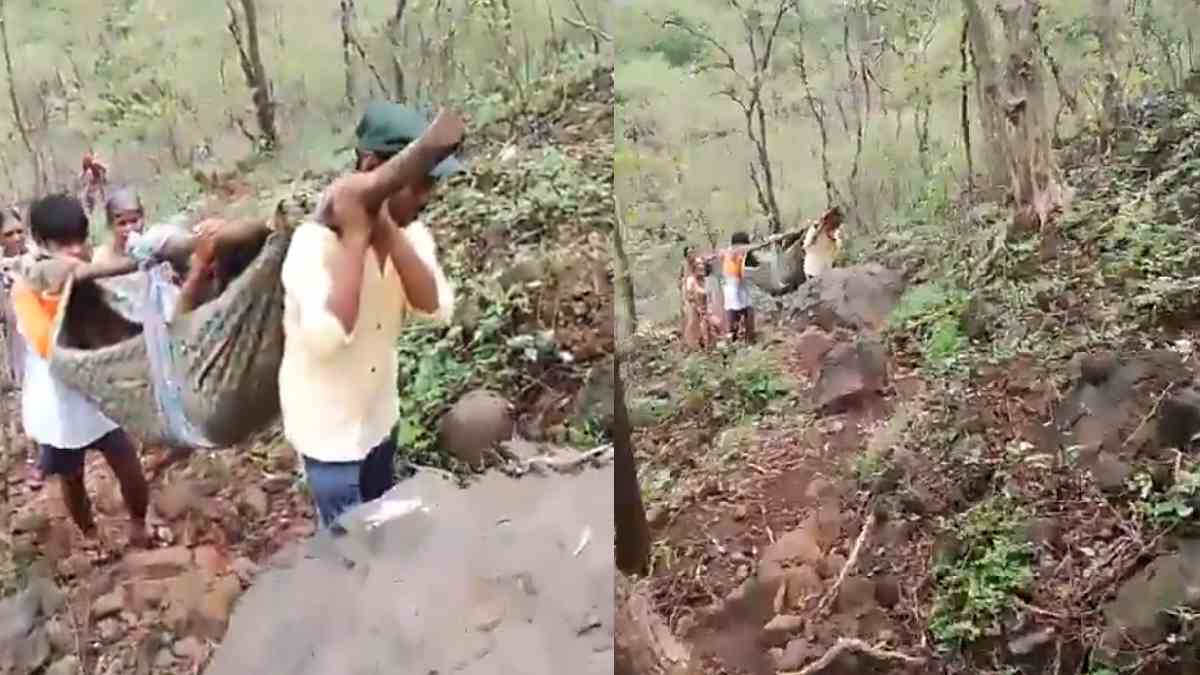
According to local residents, the woman went into labour and needed immediate medical attention. But poor road connectivity meant emergency medical services could not reach the village. With every passing minute crucial for the safety of both the mother and unborn child, villagers came together and put together a makeshift cloth sling to get her where medical care could finally meet her and bring her to a location.
The woman was carried across difficult terrain by several villagers and taken to a place accessible by vehicle from there. She was moved to a hospital for treatment. The woman's status and that of the newborn have not been disclosed at this point, the officials said.
It raised new questions about the poor infrastructure in some remote parts of the country, in which road links are still a major barrier to access to emergency care. Most villages are hilly or in the forest, and emergency medical personnel have to walk to their homes; for many of them, the ambulances are not able to arrive.
Researchers and health professionals have repeatedly stressed that timely access to hospitals is especially critical for pregnant women. Delays in labour can increase the risk of harm to both the mother and baby, and reliable transportation and emergency medical services are therefore a key component of rural health.
Lajirwani village residents have expressed concerns regarding road connectivity on several occasions: the lack of a motorable road has been a concern not only for medical emergencies but also for education, transport, and daily living. When the monsoon hits, there is a lot of mud and waterlogged roads in the path, making it very difficult to get there.
The incident has also brought home the larger issue of inequality in healthcare access between cities and rural areas. Despite huge upscaling in rural development programmes, many remote villages have little access to hospitals and ambulance services.
A pregnant woman in labour was carried in a cloth sling by villagers in Lajirwani village in Khalapur taluka, near Mumbai, allegedly due to the absence of a motorable road.
— Hate Detector 🔍 (@HateDetectors) July 13, 2026
With no ambulance able to reach the village and limited access to healthcare, residents were forced to… pic.twitter.com/xYpU2Zs6jN
Public health experts say that improving rural roads, strengthening emergency ambulance networks, and ensuring better connections to primary health centres can reduce maternal and infant health risks. Investments in rural infrastructure also improve health outcomes, education, economic opportunities for rural people, and overall quality of life.
The images of villagers carrying the expectant mother in a cloth sling have generated a lot of attention on social media, and there are calls for immediate government action to address the lack of road access in the area.
Local residents expect a long-term development of road connectivity and healthcare infrastructure. But communities in remote villages, in the absence of medical services, will continue to have life-threatening problems when they need medical help in a short period of time, in the middle of a health crisis.
The incident is a powerful reminder that access to basic infrastructure remains an important factor in ensuring timely healthcare and protecting lives in rural and underserved areas.