The International Criminal Court has strongly criticized the United States for its new sanctions on two senior officials of the court. “It is a flagrant violation of an independent judiciary,” the ICC says.
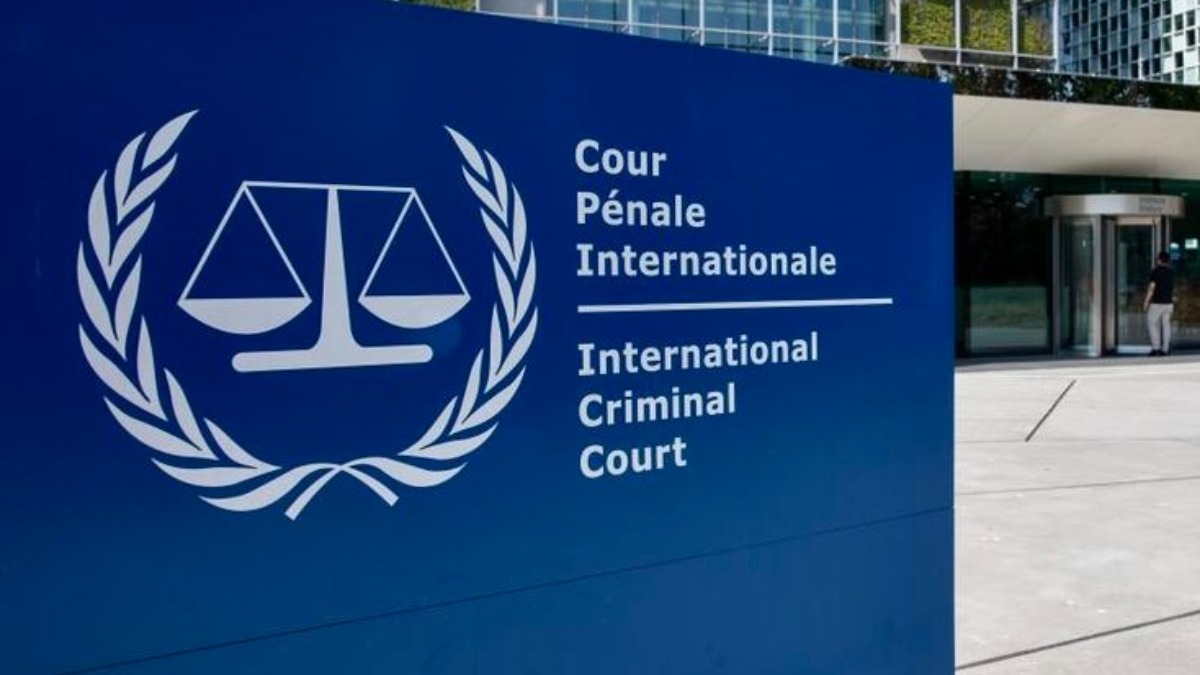
Most recently, the US has targeted the ICC President Tomoko Akane of Japan and Abdoulaye Seye, a senior trial lawyer in the court’s Office of the Prosecutor. The sanctions are part of the Trump administration’s campaign against the ICC and its investigations into US and Israeli officials.
The ICC said it strongly rejects the latest designations and is committed to carrying out its legal duties in a manner it says it can’t accept, and to work professionally and will do so in a manner independent of pressure or threats.
The US government has a very different position. Washington says the ICC has gone beyond its jurisdiction, investigating or seeking to prosecute officials from countries that have not accepted jurisdiction in the court’s jurisdiction.
The United States is not a member of the ICC, and the Trump administration has repeatedly objected to the court’s actions against Americans and Israelis.
Why did the US sanction ICC officials?
The latest sanctions are part of a larger dispute between Washington and the International Criminal Court.
The US government has accused the ICC of targeting American and Israeli officials even though neither the United States nor Israel is a member of the court. Secretary of State Marco Rubio defended the sanctions and criticised the ICC's investigations.
The dispute is even more acute given the ICC's work on alleged crimes related to the war in Gaza. Israeli Prime Minister Benjamin Netanyahu and former Israeli Defence Minister Yoav Gallant are under arrest warrants by the court. The US and Israel deny the jurisdiction of the ICC on these matters.
The new sanctions freeze any assets held by the targeted officials in US jurisdictions or that come into contact with the US financial system. The measures also restrict their access to the US financial system.
The ICC says such actions put pressure on judges and legal officials simply for carrying out their judicial responsibilities.
But the court has said targeting judicial officials can have far-reaching consequences beyond the people who are affected. Threats against judges and prosecutors can undermine the independence of international justice institutions and impair their ability to investigate serious crimes, it says.
With the latest action, the United States has now sanctioned nine of the 18 judges, the court said. Other ICC officials have also been sanctioned by the U.S.
With sanctions more than ever coming in, countries that support the ICC and international justice are concerned. Japan and Europe react.
Japan has criticised the sanctions against Tomoko Akane, who is Japanese. Tokyo said the move was 'very unfortunate' and reaffirmed its support for the ICC and the rule of law. Japan has been the court’s strongest supporter and its biggest financial client.
The Netherlands has also expressed concern. The country hosts the ICC in The Hague and has supported the court’s work.
This response shows that the dispute is not limited to Washington and The Hague. It has also created diplomatic tension between the United States and some of its allies.
The court said it would continue to work alongside the bodies.
The International Criminal Court was established to try people who have been accused of some of the worst crimes in the world - genocide, war crimes and crimes against humanity. It is made up of the Rome Statute, an international treaty which established the court.
The United States has never been a member of the ICC and has long been concerned about the court’s power over American citizens.
Trump’s administration has taken a particularly strong stance against the court. Similar sanctions have also been imposed on other ICC officials involved in investigations involving the United States and Israel.
So the latest measures are a further escalation in the already tense relationship.
In the case of the ICC, judicial independence will be in question. But judges and prosecutors should be able to investigate and apply international law without political or financial reprisal, the court argues.
For Washington, the issue is national sovereignty and the limits of the ICC's authority. The US argues that the court should not exercise jurisdiction over officials from countries that have not consented to it. The disagreement is not going away for sure.
If the sanctions are passed, international justice would be affected as well. ICC supporters fear pressure on its officials will make it difficult for the court to investigate alleged war crimes and crimes against humanity.
The US, however, insists that it is defending its national interests and protecting American personnel from illegitimate international prosecution. Thus far, the ICC continues to work in spite of all that pressure, it said.
And the latter clash is a snapshot of a much larger debate about how international courts should operate when powerful countries reject their jurisdiction.
The ICC’s ability to survive the political and financial pressure to go independent will be closely watched around the world as the dispute continues.