Ola, Uber and Rapido drivers have been protesting in Bhubaneswar for the past two days, raising concerns over issues for app-based transport workers.
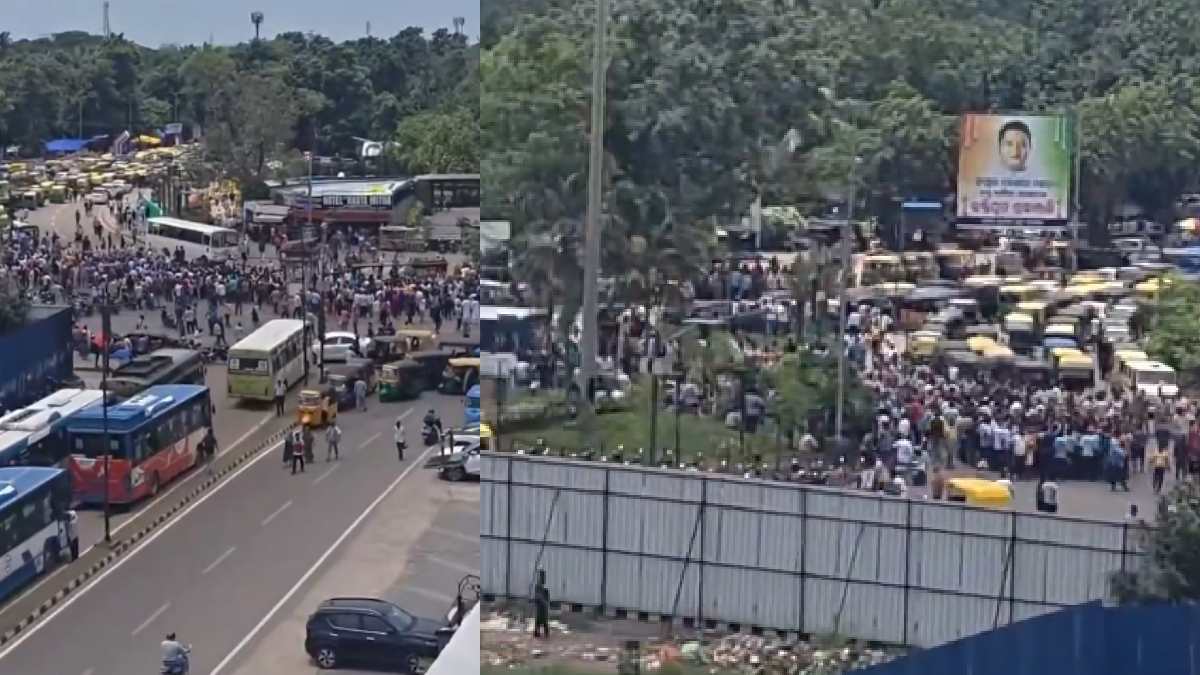
But things got worse on Wednesday when protesters blocked public streets and buses and police were reported to have been involved in protests. Public safety and the disruption of essential transport services, as well.
Conducting the protest has brought more visibility to how drivers on mobile app-based mobility platforms struggle.
Drivers of ride-hailing services have frequently raised questions about earnings, commissions, incentives, working conditions and other operational matters. Protests are one way to make workers’ concerns loud and clear but public protests are also an obligation to protect commuters and other road users.
The recent disruption in Bhubaneswar has had an impact on vehicles moving on public roads. For commuters, emergency services and public transport operators, the blockages of vital roads can be very debilitating.
A city that relies heavily on buses, taxis, auto-rickshaws and an app-based mobility system will be adversely affected if the disruption continues for long.
The recent incidents involving buses and police have only made the situation worse. Any physical attack or violence during a protest can quickly turn a labour-related demonstration into a law-and-order issue.
Ola, Uber and Rapido drivers have been protesting in Bhubaneswar for last 2 days, but today they crossed the line.
— Manas Muduli (@manas_muduli) August 19, 2026
Blocking public roads and attacking buses or police cannot be justified. Violence & disruption of public transport must face strict action.
Police must arrest them pic.twitter.com/W8ObYqS1PC
Public transport vehicles carry thousands of passengers daily; attacks on buses can actually put passengers and drivers at risk.
At the same time, app-based drivers’ concerns cannot simply be ignored. Many drivers rely on ride-hailing platforms for their livelihoods, so fare structures, platform commissions and income stability are important topics for discussion.
That is why authorities and the platforms can have a role in facilitating dialogue so that grievances can be resolved without stopping essential services to come to a halt.
And the situation demonstrates the need for clear rules governing protests in public spaces. Demonstrators should make legitimate concerns; violence, intimidation, and intentional obstruction do not have the same right.
To do so, the protesters’ concerns must be balanced with commuters’ and other citizens’ rights.
As tensions escalate, the focus will be on restoring normal traffic and preventing further clashes. A tough response against violence or deliberate damage once established through due process will prevent them from getting into a worse mess. And meaningful talks with driver representatives will also help to resolve the underlying problems.
Bhubaneswar protests highlight the larger problem in India’s rapidly growing gig economy: workers must have a voice while maintaining public order.
A sustainable solution will be to return to dialogue and not lose sight of the safety and well-being of commuters.