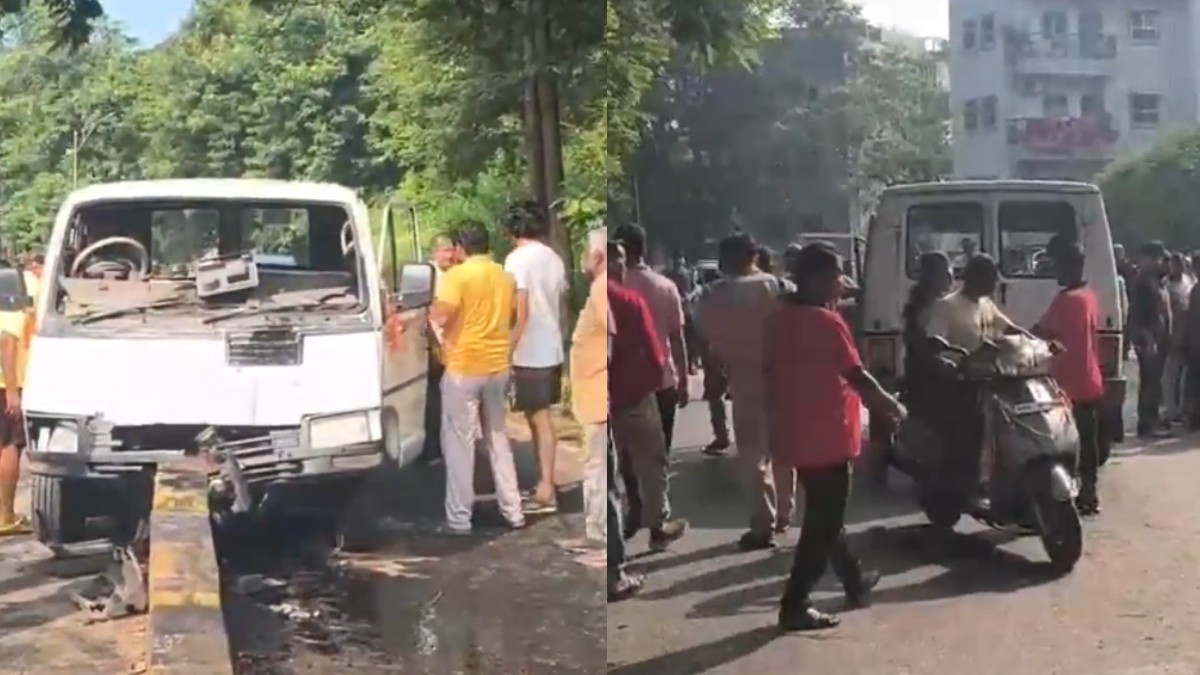
Pakistan’s fuel crisis has intensified as rising international oil prices and disruptions linked to the wider West Asia conflict have intensified pressure on the country’s energy supply. Petrol and high-speed diesel prices have soared in the past few days, and the government has brought back fuel-conservation and austerity measures.
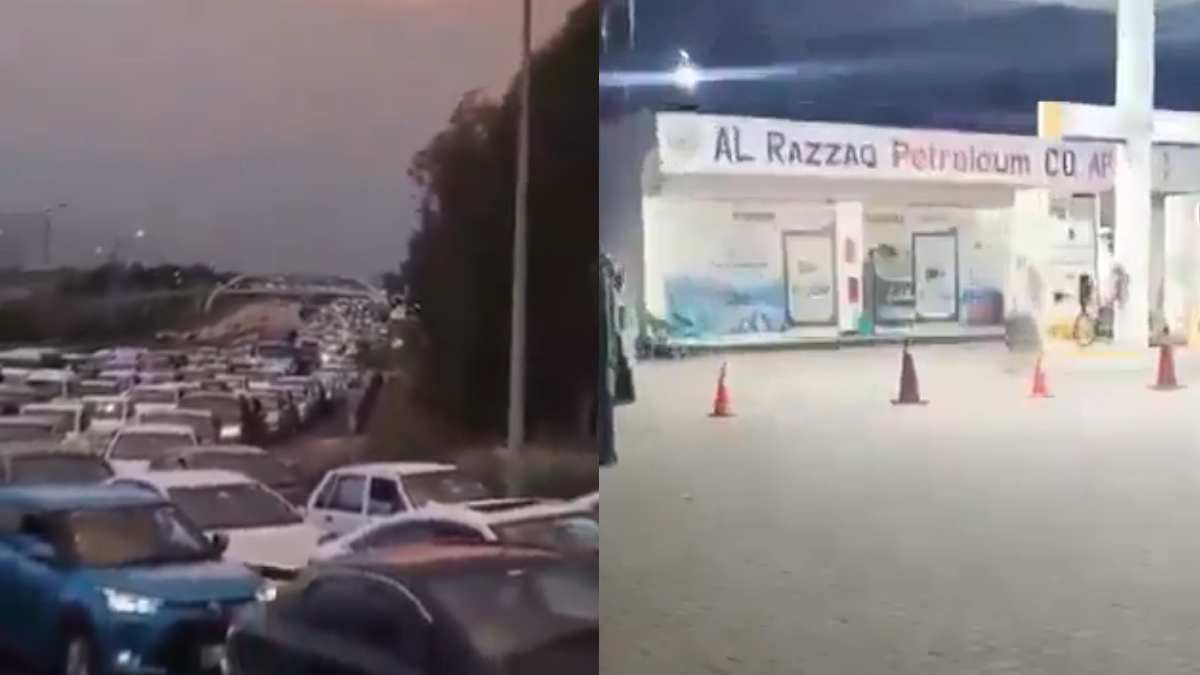
The most recent measures are curbing government vehicle fuel allocations, closing markets early and curbing official spending and travel. Federal government officials have denied that a nationwide “smart lockdown” is in place, and have taken measures to reduce fuel consumption and government spending and manage the pressure on the country’s energy system.
The latest fuel price revision also added to the worry. Pakistan’s government cut the petrol price by Rs 0.43 per litre to Rs 390.79 per litre on September 17, and raised the price of high-speed diesel to Rs 424.92 per litre. That followed a big increase announced just a few days earlier in petrol price by Rs 6.88 per litre and diesel price by Rs 5.62 per litre, which will now be Rs 391.22 and Rs 421.45, respectively. The continuous change of prices is evidence of the global oil market movement and pressure on Pakistan’s energy prices.
Against this backdrop, the federal government announced a fresh package of austerity measures on September 17, which it said would help conserve fuel. One of the key decisions is a 50% reduction in fuel supply for official vehicles for three months. The armed forces, civil armed forces, law enforcement agencies, essential services and the Federal Board of Revenue are spared from this, as are administrative and non-operational formations.
The government also banned the purchase of vehicles of all types by government departments except IT-related procurement. A five per cent reduction in the Non-ERE budget for the current fiscal year is also made, including for foreign missions and the essential costs of rent, education and medical services.
The government has also announced restrictions on official travel and functions. Foreign visits by government officials have been prohibited for three months, although there are exemptions for scholarships, training programmes and institutional commitments. Ministers, advisers, parliamentarians and other officials are told to travel in economy class when travel is unavoidable.
Government meetings will be held on teleconferencing in all sectors, and no one will have to go to city-based meetings except for intra-city meetings. Official dinners are also banned except for the one hosted for visiting foreign delegations. Government-funded seminars, conferences and training programmes have also been restricted, and unavoidable events are expected to take place on government premises. In addition, marriage-related functions have been directed to serve only a single dish as part of the austerity drive.
The most obvious measure for the general public and businesses is operating hours. Shops, markets, shopping malls, bazaars and departmental grocery and general stores must close by 9 pm. Marriage halls and other commercial venues hosting celebrations must close by 10 pm, while restaurants, cafes, eateries and food outlets must close by 11 pm. The restaurant closing restriction does not apply to takeaway and home delivery services.
Pharmacies, hospitals, clinics, laboratories, medical stores, standalone bakeries, tandoors, milk and dairy shops, fuel and CNG stations, electric-vehicle charging stations, gyms, sports facilities, IT companies and call centres also do not have to close. The federal government has asked provincial and regional governments to take similar fuel-conservation measures.
With this in mind, Pakistan has also introduced a relief scheme to cushion some people against the impact of higher petrol prices. Under the scheme, announced by Prime Minister Shehbaz Sharif, motorcycle, rickshaw and Qingqi rickshaw owners will receive Rs 100 per litre relief on up to 20 litres of petrol per month, and owners of cars with engine size up to 800cc will receive the same relief on up to 30 litres per month.
This scheme is being rolled out nationwide after an initial implementation in Islamabad. Meanwhile, Khyber Pakhtunkhwa has also ordered public and private schools to shut down on Fridays and Saturdays for two months to save fuel and reduce transport. So, although Pakistan has not taken the nationwide lockdown step, the early closing of businesses, government austerity, travel restrictions and regional fuel-saving steps are a significant response to the situation in energy conditions.