India is also on the brink of making its first major entry into Arctic shipping: in 2027 it plans to take its first pilot cargo voyage through Russia’s Northern Sea Route (NSR) for that purpose. The proposed voyage would represent a possible step in India-Russia maritime cooperation and open up an important route for the transport of goods between Asia, Russia and Europe.
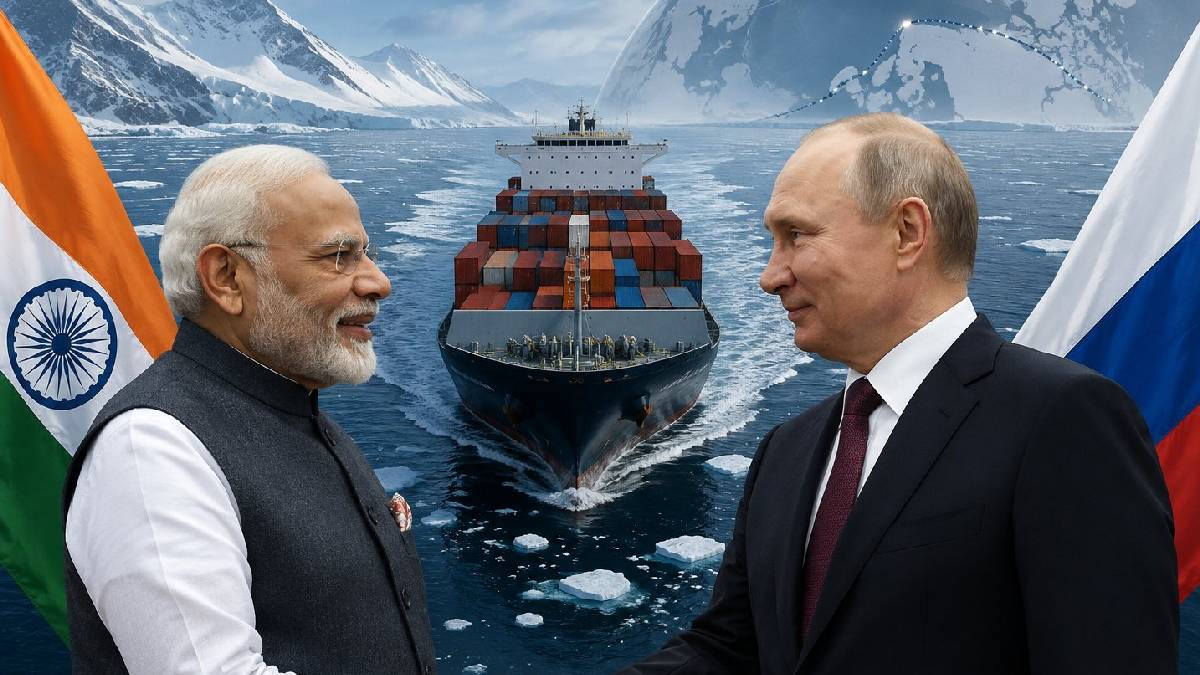
New Delhi will also begin operating its first pilot vessel on the Northern Sea Route in 2027, an Indian shipping ministry official said. The announcement came at the Arctic-Regions Forum in Arkhangelsk, where Indian and Russian officials discussed the growing cooperation in Arctic shipping.
The development comes just after Russian President Vladimir Putin said that India has expressed interest in cooperating with Russia on the Northern Sea Route. Putin identified India and China as countries that are showing growing interest in the strategically important Arctic shipping corridor.
The Northern Sea Route runs on Russia's Arctic coastline and is the shortest maritime link between East Asia and Europe. The easier access during the summer navigation season has attracted the attention of Asian economies looking for alternative shipping routes.
India could use the pilot voyage to diversify its maritime trade routes. Historically, India and Europe have been affected by congestion and geopolitical tension around major maritime chokepoints. The Northern Sea Route would be another option, but with its own operational and environmental challenges.
India and Russia have already been exploring greater cooperation in Arctic shipping. In July 2026, the Russian government approved a proposal to sign a memorandum of cooperation with India on maritime cargo transportation along the Northern Sea Route. Rosatom was instructed to sign the memorandum on behalf of the Russian government.
The proposed 2027 voyage thus builds on discussions going on for years. India and Russia have previously discussed the use of the Northern Sea Route as well as the Eastern Maritime Corridor (EMC) connecting Chennai and Vladivostok. India’s Ministry of Ports, Shipping and Waterways also acknowledged the potential of the NSR as part of a wider maritime cooperation with Russia.
The development of the Northern Sea Route could have a great impact on India's trade strategy. A shorter route between Asian and European markets could potentially reduce sailing distances and transit times. Russian officials have suggested that the route could reduce India's shipping distance by as much as 40% and save about two weeks compared to traditional routes, but actual savings would depend on cargo, season, vessel type and ice conditions.
The Arctic route is not without difficulties. Specialised vessels and icebreakers are needed when ships are operating through the region. Weather and sea ice can also affect navigation. Insurance, infrastructure, search and rescue capabilities and geopolitical considerations are still important factors the companies consider when assessing the route.
Russia has been investing in infrastructure along the Northern Sea Route and has already deployed a fleet of nuclear-powered icebreakers through Rosatom. As the route has widened, cargo is growing more frequently with Russia-China trade and energy shipments.
China’s increase in use of the route has attracted international attention. A Chinese shipping company recently launched a regular commercial service through the Arctic, proving that the NSR is going beyond being an experimental or strategic route to more commercial use.
For India, that route could complement rather than replace existing maritime corridors. The Chennai-Vladivostok Eastern Maritime Corridor is already being developed as another major connection between India and Russia. Government information has shown that the corridor can reduce travel time between Indian and Russian Far Eastern ports significantly compared with the traditional route through Europe and the Suez Canal.
The Northern Sea Route could eventually provide India with additional access to Russian ports and Arctic-linked trade networks. It may also be helpful to India's larger desire to strengthen its ties with Russia and to enlarge its presence in the fast-developing Arctic.
The proposed 2027 pilot voyage is therefore being seen as more than a single cargo shipment. It could serve as a test of the commercial, logistical and operational feasibility of using the Arctic route for Indian trade.
If the pilot voyage is successful, India and Russia could be able to provide regular cargo services, other routes, and joint maritime infrastructure in the Arctic. It could also motivate Indian shipping companies and exporters to consider the opportunities of the emerging Arctic trade corridor.
For now, the planned 2027 cargo voyage is an important step in India's maritime engagement with the Arctic. This, together with Putin’s comment that India is interested in Northern Sea Route cooperation, as well as the ongoing India-Russia talks, makes it clear that Arctic shipping is increasingly a pillar of bilateral economic and strategic ties.