India is preparing to launch a major programme to develop indigenous vaccines, therapeutics and diagnostics against pathogens with pandemic potential, Dr Nivedita Gupta, Scientist and Head of the Communicable Diseases Division at the Indian Council of Medical Research (ICMR).
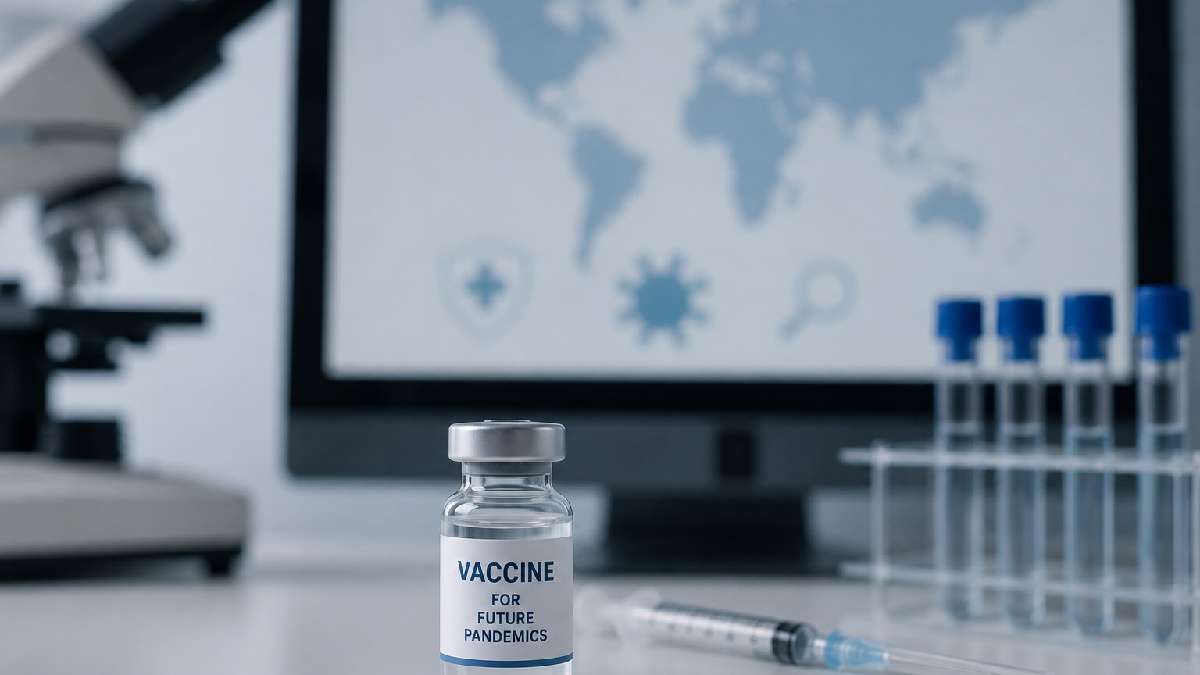
Dr Gupta spoke to Times Now Digital on the eve of World Zoonoses Day and said the purpose behind the effort is to prepare India for future pandemics through medical interventions to prevent new disease-causing pathogens before they take root.
Zoonoses Day is celebrated every year on July 6 and is an awareness day on which zoonotic diseases are concerned for people and animals. The theme of this year’s theme is “One World, One Health: Prevention of Zoonoses,” and the interconnectedness of human, animal and environmental health.
India Planning for future pandemic threat.
Dr. Gupta said India is working on a comprehensive programme to develop vaccines, diagnostics and therapeutics for pathogens that have the potential to trigger future pandemics.
"We will be starting very soon a program to develop vaccines, therapeutics, and diagnostics for all the pathogens that are visibly lurking around somewhere in the world, and they can cause pandemics," she said.
In order to keep the country prepared to address the next pandemic early on and so that it is able to have broad-scale medical tools in place before the next pandemic can come in.
Prototype Vaccine Strategy
Dr Gupta explained the scientific rationale behind the initiative, and said researchers plan to develop prototype or pan-family vaccines that can offer partial protection against an entire family of viruses.
"If you have a pan-family or prototype vaccine for that family and a new pathogen emerges, the vaccine may not have an exactly specific effect, but it will have a huge effect in reducing the severity of the disease," she said.
According to Dr. Gupta, such vaccines can drastically reduce mortality while scientists work on developing a pathogen-specific vaccine.
"We will have a vaccine that is less specific and can reduce mortality, while buying time to develop a highly specific vaccine for that particular pathogen," she added.
WHO's List of High-Risk Pathogen Families
Dr. Gupta also said the World Health Organization (WHO) has identified 12 viral families and one bacterial family that contain pathogens that could lead to future pandemics.
The viral families include:
Orthomyxoviridae (influenza viruses)
Coronaviridae (including SARS-CoV-2 and MERS-CoV). Paramyxoviridae (including Nipah and Hendra viruses). Filoviridae (including Ebola and Marburg viruses). Flaviviridae (including dengue, Zika and yellow fever viruses). Picornaviridae. Pneumoviridae. Adenoviridae. Hantaviridae. Arenaviridae. Poxviridae (including mpox virus). Bunyavirales/Peribunyaviridae.
The bacterial category includes multidrug-resistant bacteria considered to pose future global health risks.
Prototype Pathogen Approach
Dr. Gupta said scientists will identify representative viruses in each high-risk family and develop vaccines, diagnostics and therapeutics against these prototype pathogens.
Researchers believe that if a new virus comes into the family—or an already existing virus mutates drastically—the prototype-based medical tools could still offer meaningful protection by reducing disease severity.
"This is a family-specific approach, and what WHO is now propagating is that if there is a new pathogen that emerges and causes a pandemic, it will be from one of these viral families," she said.
A Pan-Government Research Programme
Dr. Gupta said the initiative will not only involve ICMR in itself but also government departments, scientific institutions and industry partners.
"India is preparing, and we are actually in the process of writing a document or proposal for the Department of Health Research, and we hope to get a dedicated grant very soon," she said.
She said the programme will bring together science and technology ministries, research organisations, academic institutions and industry to accelerate the development of vaccines, therapeutics and diagnostics aligned with India's public health priorities.
This initiative is part of a larger strategy of India to improve pandemic preparedness, taking from COVID-19 the lessons learned with us and taking the "One Health" approach that recognizes the close link between human, animal and environmental health.