The proposed India-Russia Free Trade Agreement (FTA) is in the final stages of preparation, said Russia’s First Deputy Prime Minister Denis Manturov, and this is a very important step in the long-standing economic relationship between New Delhi and Moscow.
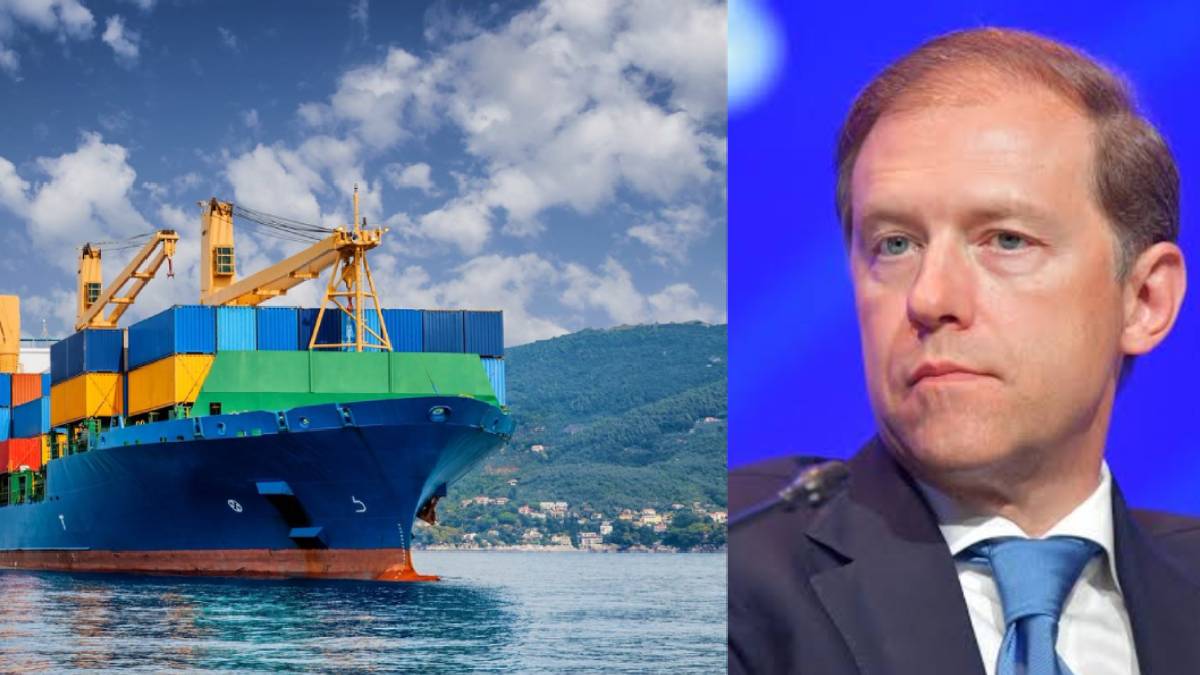
Manturov’s statement suggests that talks and preparation of the trade agreement are very much in progress and India and Russia could quickly move towards a more structured and preferential trading framework. A free trade agreement would reduce or eliminate tariffs on a range of goods, open markets, and make cross-border trade more competitive.
Russia and India have had close economic and strategic ties for decades. While defence, energy and strategic cooperation have always been the core of their relationship, trade and investment have also become increasingly important. The proposed FTA will continue to expand that economic dimension.
Now both countries are trying to diversify their international trade relationships, and the agreement is especially meaningful. For India, greater access to the Russian market will be beneficial to exporters in pharmaceuticals, engineering products, agricultural commodities, chemicals, textiles and manufactured goods. Russian companies would also benefit from accessing India’s huge and rapidly expanding consumer and industrial markets.
A trade agreement could also solve some of the structural issues in bilateral commerce. India and Russia have been looking for alternative payment mechanisms, logistics routes and transportation corridors in a world economy of changing payments and logistics to facilitate trade. More institutional support through an FTA could give more momentum to these efforts.
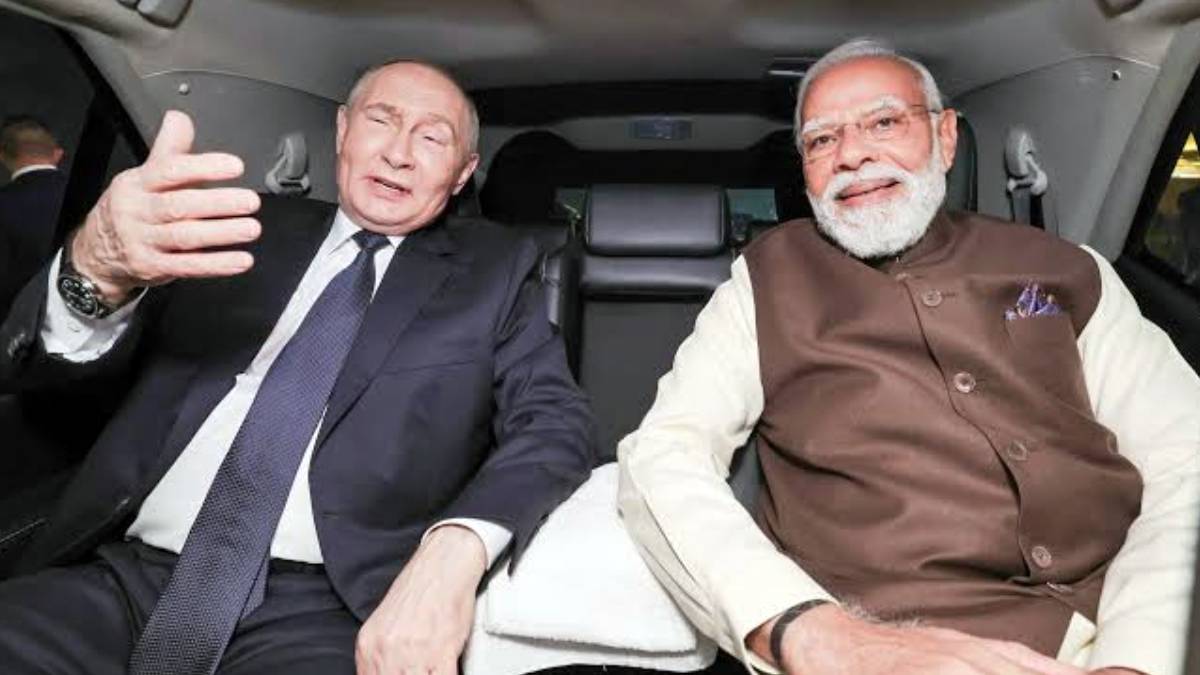
The agreement comes in the face of strong bilateral trade in recent years. Energy has been a pillar of India-Russia commerce, and both governments have expressed interest in expanding trade beyond the traditional sectors. Increasing non-energy exports and imports could help to balance the economy.
Another aspect potentially of importance is that of connectivity. Such initiatives as the International North-South Transport Corridor (INSTC) aim at facilitating the transportation links between India, Russia and other markets. In future free trade, faster and more efficient logistics could complement tariff reductions.
For business, the impact of an FTA will depend heavily on the final terms. Rules of origin, tariff schedules, product exclusions, customs procedures and standards will determine how easily companies can take advantage of the agreement. Sensitive sectors in both countries will also be taken into account at the end of negotiations.
Manturov’s announcement is therefore an important signal but not a confirmation that the agreement has already been signed. The text itself would need to be finalised, domestic procedures completed and formal approval in place before the pact could take effect.
If concluded, the India-Russia FTA would be an important pillar of the two countries’ economic relationship. It could encourage companies to look for new markets, improve predictability for exporters and importers, and better bilateral trade as global supply chains and trading relationships are changing.
Indian exporters, Russian businesses, investors and policymakers will be closely watching the development. Now that the agreement is in its final stages of preparation, we expect India and Russia to make a big step towards their long-term commercial relationship.