Nepal is facing flood concerns once more after a devastating flash flood ripped through parts of the country’s Himalayan border region in recent weeks, killing hundreds of people and leaving thousands missing and causing widespread destruction and causing millions of people stranded.
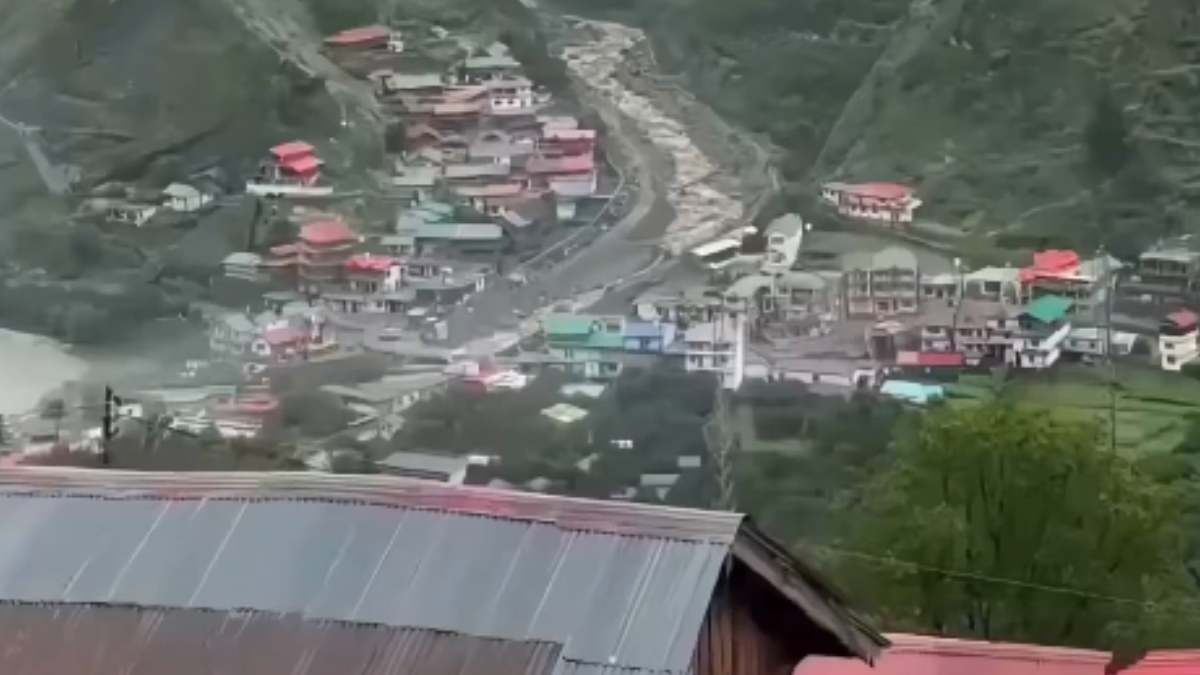
But experts say the danger might not be over, with unstable terrain, river blockages and a partially collapsed glacier also creating more threat from secondary floods and debris flows in the coming days.
The latest disaster took place on August 26 along the Nepal-China border when a huge mass of ice, rock and debris entered the river system and generated a powerful surge.
The flood raced through the Bhotekoshi and Trishuli river systems, destroying homes, roads, bridges and other infrastructure.
Nepal’s authorities have reported a fluctuating death and missing-person toll the death toll is estimated to be 3,000 as rescue operations continue.
Why is another flood possible
Experts in The Himalayan Times say unstable canyon walls and the partially collapsed Gangbhu glacier are also dangerous.
Further collapse could send additional debris into already swollen waterways, potentially creating another sudden surge downstream.
Scientists are also trying to see if an upstream blockage could release another wave of water.
The original flood caused the water level to increase dramatically within a short period of time, the study by India Today said, and the possibility of another surge if water is trapped behind debris is also being studied.
The risk is particularly serious because mountain rivers respond rapidly to landslides, glacier collapses and debris flows.
Communities downstream may have little time for a quick response if another blockage suddenly gives way.
Rivers carrying the flood downstream
A technical analysis by Nepal’s Flood Forecasting Division showed that the initial surge reached the Bhotekoshi River from the Tibetan side before moving downstream via the Bhotekoshi and Trishuli rivers and finally reaching the Narayani system.
This means that an upstream event may have a far-reaching impact beyond the original disaster zone.
The flood has already damaged major infrastructure and disrupted transport routes. Search-and-rescue teams are working in mountainous terrain and authorities are trying to find missing residents, workers and foreign tourists.
Climate change adds to Himalayan risks
Climate change has raised the vulnerability of the Himalayas, and experts say it’s possible that climate change could be leading to a more imminent rise in the vulnerability of mountain slopes and ice structures.
Rising temperatures are speeding up glacier melt and weakening mountain slopes and ice structures, which might lead to landslides, avalanches and other cascading disasters. But climate change is not an immediate cause of the latest disaster, says a study by researchers.
And for now, authorities and disaster experts are monitoring rivers, unstable slopes and potential blockages.
The warning of a possible second “wall of water” underlines the continuing danger facing communities in Nepal’s flood-hit areas even after the first wave has passed.