One of the two tigers has died at the Jharkhali Tiger Rehabilitation Centre in West Bengal’s South 24 Parganas district and there are fears about the health of the animals at the facility.
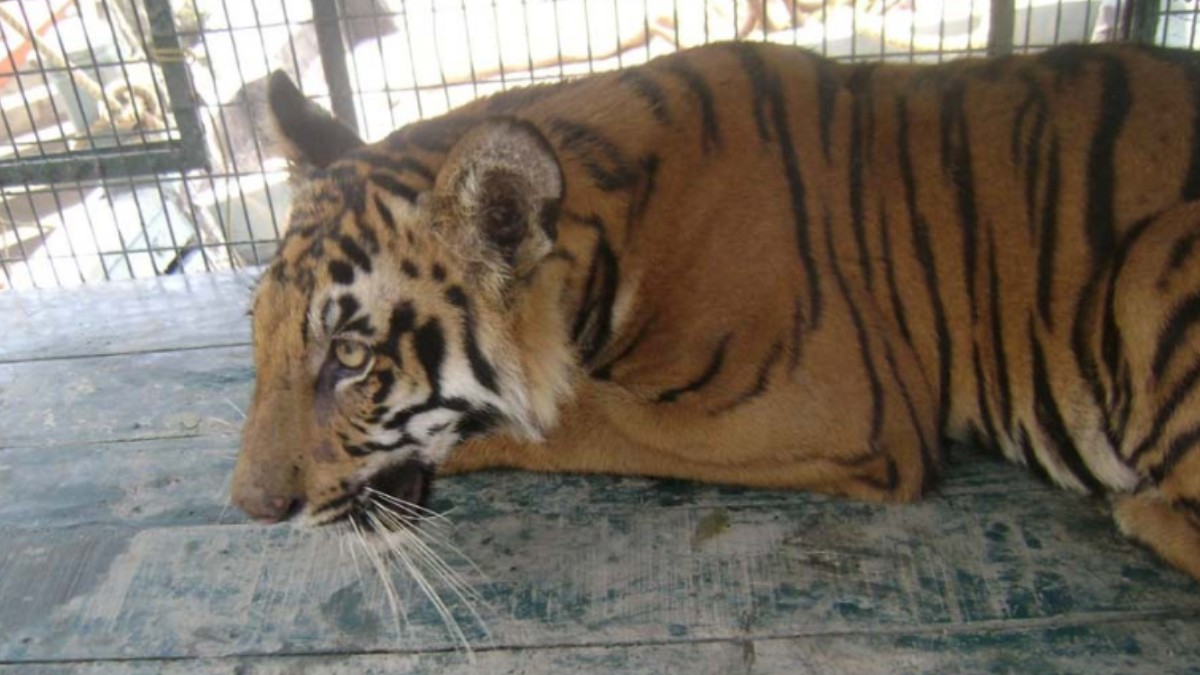
The tiger that died on Saturday morning in the heat was a 16-year-old male tiger named Sundar and he was admitted for treatment of an infectious disease. His death came just days after a tigress named Sundari, the tiger at the same rehabilitation centre, died in a similar fashion, so the deaths of two tigers in a short time is worrying wildlife officials and conservation experts.
According to forest department sources, Sundar was treated for an infection for about 12 days. Doctors and veterinary professionals were monitoring his condition and medical attention was provided. Despite the treatment and attempts to stabilise the animal, his health deteriorated and he could not be saved.
Forest department officials said Sundar had been living at the rehabilitation centre for a long time. At the age of 16 he was considered an elderly tiger, and officials say that age-related complications may have contributed to his weakened condition. An infection also complicates his recovery as well.
Forest officer Nisha Goswami said the tiger had been treated for an infection and that necessary tests were being conducted to determine the exact cause of death. The tests will bring more clarity about Sundar’s death and whether any underlying health problems contributed to his deterioration.
The death has attracted attention because it follows the recent death of Sundari, another tiger housed in the Jharkhali facility. When two tiger deaths occurred in a week, it naturally raised questions about the health of the animals and management of the rehabilitation centre. But the exact reason for both deaths will need to be determined through veterinary examinations and official investigations, not in the absence of speculation.
Rehabilitation centres contribute to wildlife conservation because animals can’t return to nature due to their injuries, age, health problems or other reasons. They also need veterinary care, proper enclosures, proper nutrition and monitoring to keep animals in captivity (or semi-captive).
Tigers in rehabilitation facilities can have a variety of health problems. Older animals are particularly vulnerable to age-related problems, and infectious diseases can become serious if an animal’s immune system is weakened. So regular health examinations, diagnostic testing and preventive veterinary care are necessary for the health of animals in such centres.
Sundar’s case points to the difficulties in caring for elderly wild animals. At 16, the tiger had already aged well compared with many wild tigers, and forest department officials said his condition was weakened by age-related complications and infection. His care for nearly two weeks indicates that medical personnel were actively trying to treat the illness.
The forest department has maintained that all medical efforts were made to save Sundar. The diagnosis and veterinary findings will be needed to determine the cause of death, the authorities now say. Such investigations are important in cases where multiple animals die in a short span because they can determine if the deaths are unrelated or if there is a broader health issue to be treated.
The recent deaths will likely also increase the scrutiny of the Jharkhali rehabilitation facility. Wildlife conservationists and the general public might be searching for more information about veterinary infrastructure, disease monitoring, hygiene procedures, nutrition and the general health of the animals in the facility.
Then, we have to balance public concern with the reality of caring for aging and medically fragile wildlife. The death of an elderly tiger from an infectious illness is not an indication that management is not good. An extensive veterinary assessment will be needed before conclusions are drawn.
For now, the focus is on determining Sundar’s death and the safety of other animals in the centre. The Forest Department tests and further findings will also provide some light on the reason behind the death.
The loss of Sundar, a few days after Sundari’s death, is yet another significant development for the Jharkhali Tiger Rehabilitation Centre. It underscores the obstacles in protecting and caring for rescued and ageing wildlife and the necessity for continued veterinary management of animals and disease surveillance and reporting when animals die at conservation facilities.