India said that the Indus Waters Treaty (IWT) will not be able to continue in its current form because the decades-old agreement has become outdated because of changing geopolitical reality, climate challenges and Pakistan’s continued support for cross-border terrorism.
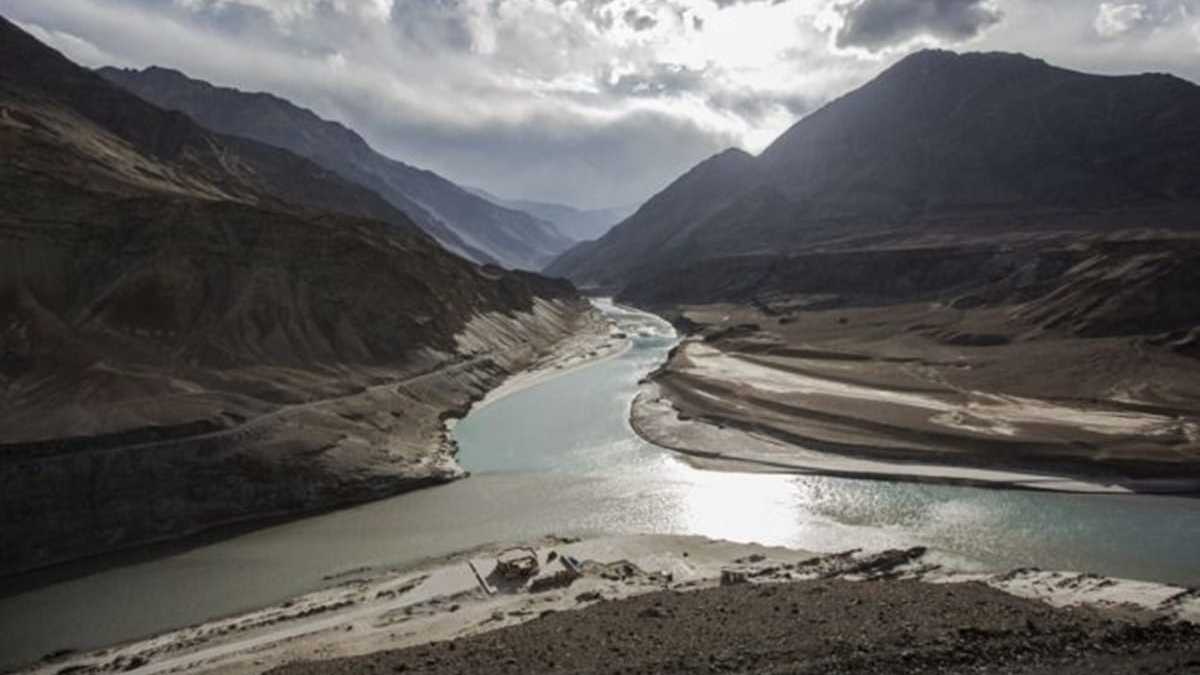
The treaty, signed in 1960 with the mediation of the World Bank, governs the sharing of water from the Indus River system between India and Pakistan.
For more than six decades it has been one of the few agreements that survived multiple conflicts and diplomatic tensions between the two neighboring nations.
But Indian officials have now made it clear that the circumstances under which the treaty was negotiated have changed drastically. So India took the view that the agreement was based on peaceful cooperation, mutual trust and good neighborly relations; something which New Delhi believes is no longer the case because cross-border terrorism is still present from Pakistan.
India also believes that population growth, increasing water demand, climate change and the need for sustainable water management require a fresh look at the treaty. The agreement, officials say, does not really deal with contemporary issues like changing rainfall patterns, glacier melt in the Himalayas, and growing irrigation, drinking water and hydropower needs.

The latest comments come as relations between India and Pakistan are tense. India has repeatedly accused Pakistan of supporting terrorist organizations that carry out attacks on Indian soil. New Delhi has maintained that meaningful bilateral cooperation can only be sustained if terrorism is left unresolved.
The Indus Waters Treaty gives India the waters of the eastern rivers -Ravi, Beas, and Sutlej -and Pakistan the majority of the water from the western rivers -Indus, Jhelum, and Chenab. However, India still has limited rights to utilize the western rivers for non-consumptive purposes -such as hydroelectric power generation or irrigation.
India in recent years has sought to make better use of its share of river water through various infrastructure projects and hydroelectric projects that are in line with treaty provisions.
Pakistan has protested some of these projects and legal and technical disputes have been raised under the treaty's dispute resolution mechanisms.
Experts say, if substantial changes or amendments to the treaty are made, they would require extensive diplomatic engagement and could have major regional implications. Water security is both countries’ top priorities because of climate change and that is putting pressure on shared river systems.
The World Bank, which helped negotiate the original treaty, had previously stressed its limited role as a facilitator in treaty-related disputes rather than an arbitrator of political disputes.
India’s move indicates a change in stance on long-standing bilateral agreements as the current national security issues and environmental challenges are becoming more acute.
The future of the Indus Waters Treaty will be determined by the diplomatic relations between New Delhi and Islamabad in the future.