Pakistan has appealed to Canada to support the restoration of the Indus Waters Treaty (IWT) as the suspension of the decades-old agreement is a dangerous “weaponisation of water.”

The request comes at a time of high tension between India and Pakistan that has seen recent diplomatic and security tension in that country.
Pakistan has asked Ottawa to encourage dialogue and support the restoration of this treaty, which has been in place on water-sharing between the two neighbouring countries since 1960. Pakistani leaders said access to water is a humanitarian issue, not a political or strategic one, during talks with Canadian officials.
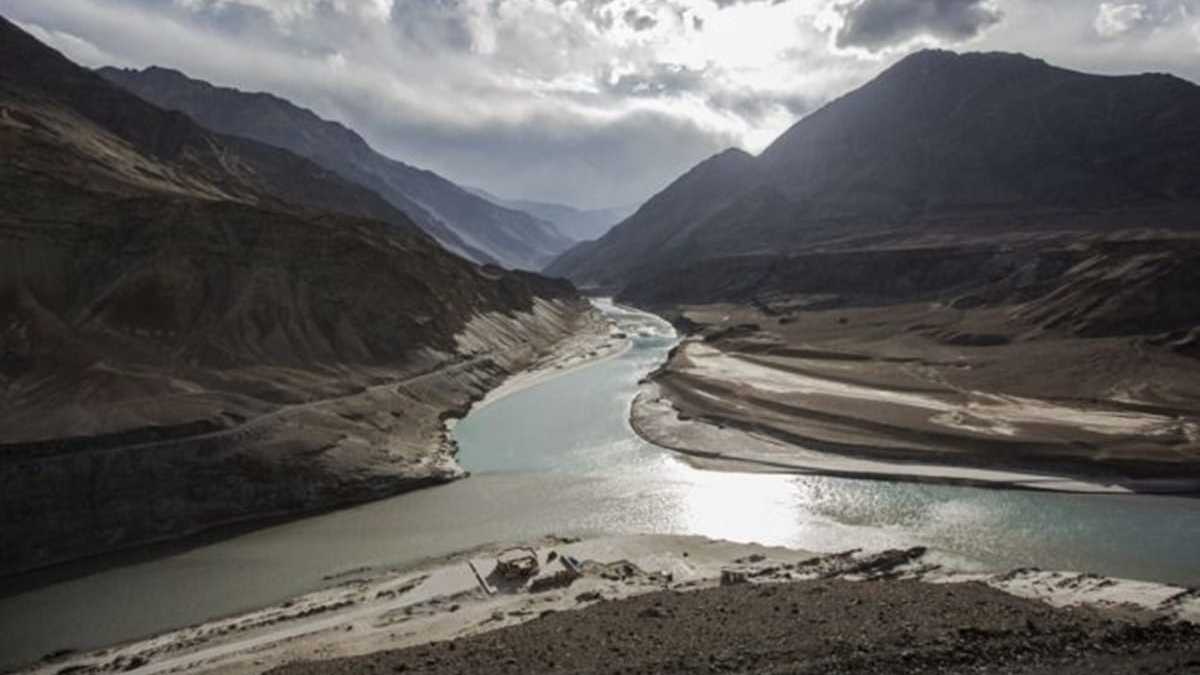
The Indus Waters Treaty, signed by the World Bank in 1960, allocates the waters of the Indus River system between India and Pakistan. It has long been one of the world’s most successful international water-sharing agreements and survived wars and decades of strained relations.
Relations between the two countries have gotten worse in the last months. India has maintained that the treaty could not be implemented in its current form because of changing geopolitical circumstances, security threats, climate change, and Pakistan's support for cross-border terrorist activities.
Indian officials have said the agreement needs to be thoroughly assessed for new challenges to be faced by India.
Pakistan, meanwhile, insists that the treaty is legally binding and says any unilateral changes would threaten regional stability. Islamabad has accused India of violating international obligations and creating uncertainty over water supplies that millions of Pakistanis depend on for agriculture, drinking water, and electricity generation.
Pakistani representatives in the diplomatic contact stressed that water should never be used as a tool for political pressure. They asked Canada and the rest of the world to press for both countries to make peace between them in accordance with international agreements and have dialogue.
Canada has yet to take a formal mediation role but has always supported peaceful dialogue between India and Pakistan. Canadian officials have generally encouraged both countries to resolve bilateral disputes through diplomatic channels and in accordance with international law.
The latest appeal shows how water security is an increasingly significant geopolitical issue in South Asia. Climate change, shrinking glaciers, growing populations, and increasing demand for freshwater have intensified the pressure on the Indus River basin.
Although Canada’s influence may be limited, Pakistan’s outreach is in itself evidence of its broader diplomatic efforts to engage with international diplomacy on this issue, analysts say. At the same time, India insists that national security concerns should be taken into account in addition to treaty obligations as well.
As both countries remain divided on the future of the Indus Waters Treaty, the issue will remain a critical issue in India-Pakistan relations.
Whether international diplomatic backing will be able to help in the revival of dialogue remains uncertain, but the matter has always raised international interest due to its humanitarian, environmental, and strategic importance.