Every year on July 26, the world celebrates the International Day for the Conservation of the Mangrove Ecosystem to raise awareness about the significance of mangrove forests and the urgent need to protect them.
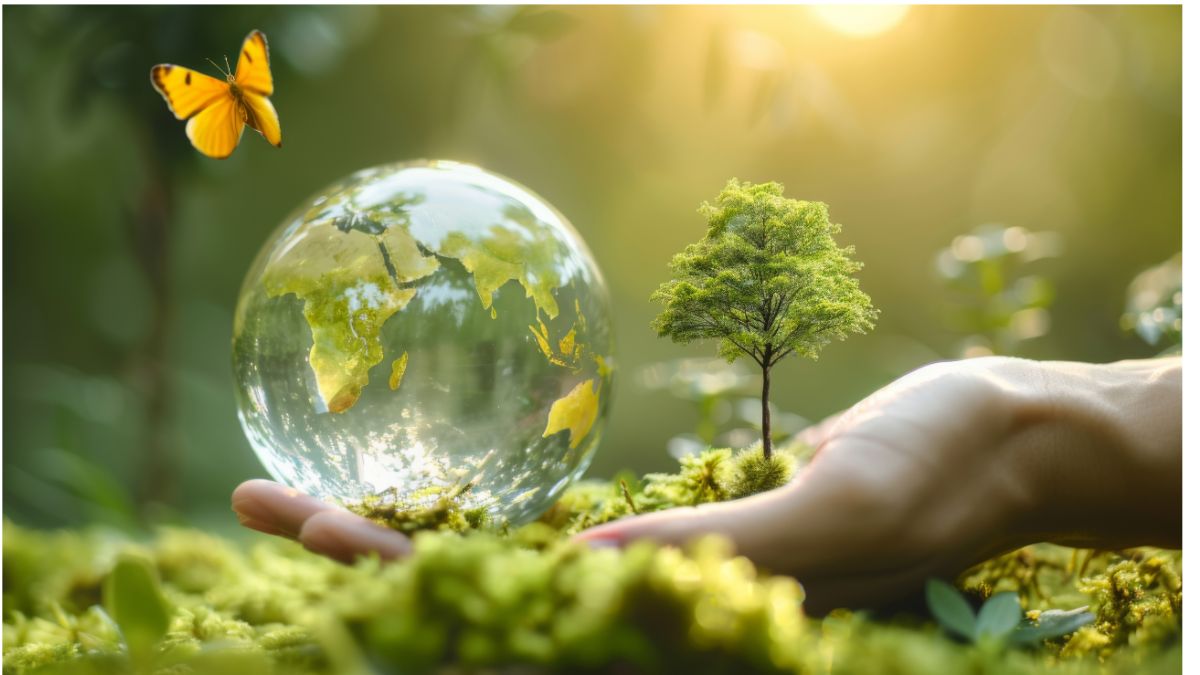
Created by UNESCO in 2015, this international period of mangrove conservation is important for biodiversity conservation as well as coastal communities, combating climate change and protecting shorelines from natural disasters.
Mangrove ecosystems are among the most productive and valuable natural habitats on Earth. Though they occupy less than one percent of the world’s tropical forests, they provide essential environmental, economic and social benefits. But these special ecosystems are still under threat from deforestation, coastal development, pollution and climate change.
What are Mangrove ecosystems
Mangroves are salt-tolerant trees and shrubs that grow in tropical and subtropical coastal regions of the ocean. They thrive in intertidal regions that are not only salty, but also have unpredictable tides and oxygen-poor soil.
Their complex root systems anchor them firmly in muddy coastal environments while creating habitats for countless marine and terrestrial species.
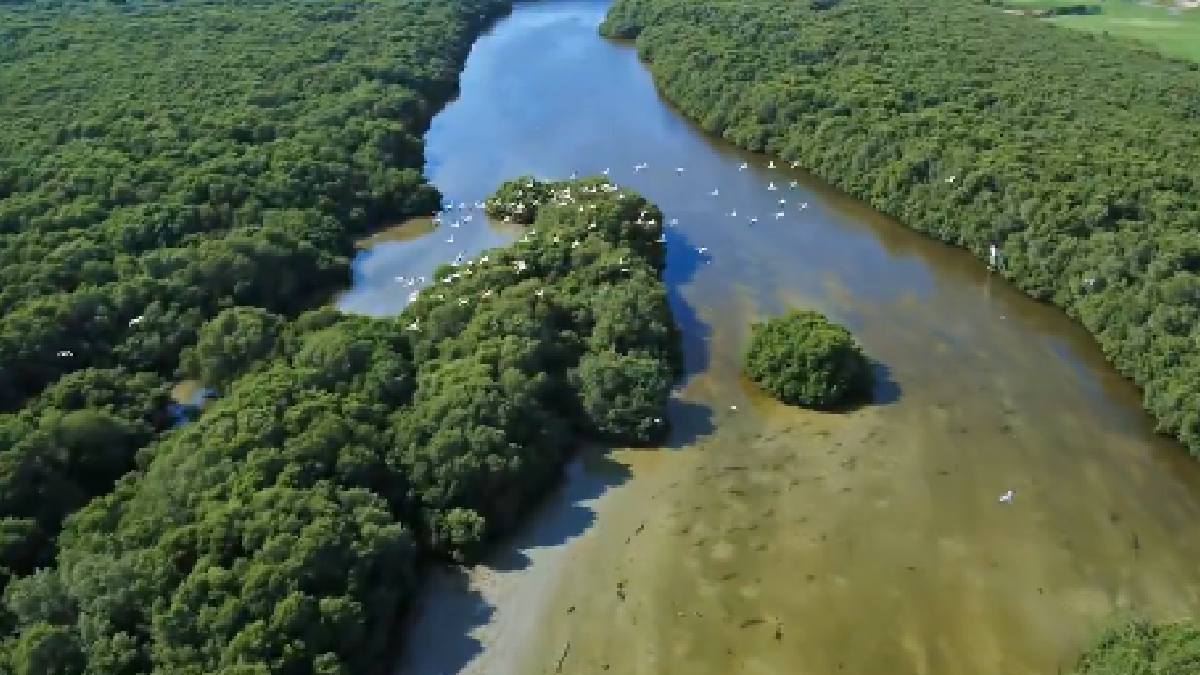
The countries with extensive mangrove forests include India, Indonesia, Australia, Brazil, Bangladesh, Mexico and a number of African countries.
Why Mangroves Are Important
Mangrove ecosystems provide many ecological functions that are beneficial to nature as well as people.
Protecting Coastlines
Mangroves are the natural defense mechanism against coastal erosion, storm surges, cyclones and tsunamis. And because of the massive root system, the waves are absorbed by the roots, which reduces the impact on other areas close by.
Supporting Biodiversity
Mangrove forests provide breeding, feeding, and nursery habitats for a wide variety of fish, crabs, shrimp, mollusks, birds, reptiles and mammals. Many commercially important fish species depend on mangroves during their early stages of life.
Hence, healthy mangrove ecosystems contribute directly to sustainable fisheries and food security.
Combating Climate Change
Mangroves are very efficient at storing and capturing carbon dioxide. They can store much more carbon per unit area than many terrestrial forests and are thus important carbon sinks.
Mangroves help reduce greenhouse gas emissions and help to promote global climate action.
Improving Water Quality
Mangrove roots filter sediments, pollutants and excess nutrients from rivers before they reach the oceans and coral reefs. It is the natural filtration of water that supports healthier marine ecosystems.
Supporting Livelihoods
Millions of people in the world depend on mangrove ecosystems for fishing, tourism, timber (as long as sustainably managed), honey production and other resources. Healthy mangroves are part of local economies and enhance community resilience.
Threats Facing Mangrove Ecosystems
Mangrove forests are disappearing at an alarming rate. According to conservation organizations, most of the mangrove coverage has been lost over the past decades.
Major threats include:
- Coastal urban development
- Aquaculture expansion
- Unsustainable logging
- Agricultural conversion
- Industrial pollution
- Plastic waste
- Rising sea levels
- Climate change
- Oil spills
Mangroves’ destruction increases the vulnerability of coastal populations to flooding and storms, as well as biodiversity loss and carbon emissions.
Mangroves in India
India is home to some of the world's most significant mangrove ecosystems including the Sundarbans, the largest mangrove forest on earth and a UNESCO World Heritage Site. The Sundarbans share biodiversity with India and Bangladesh and are famous for the traditional Royal Bengal Tiger.
Other important mangrove regions in India are:
- Bhitarkanika (Odisha)
- Pichavaram (Tamil Nadu)
- Godavari-Krishna delta (Andhra Pradesh)
- Gulf of Kutch (Gujarat)
- Andaman and Nicobar Islands
These ecosystems support fisheries, protect coastlines, and provide habitats for numerous endangered species.
How the World Observes the Day
Governments, educational institutions, environmental organizations and local communities observe the International Day for the Conservation of the Mangrove Ecosystem through various actions:
- Mangrove plantation drives
- Coastal cleanup campaigns
- Educational seminars and workshops
- School awareness programs
- Scientific conferences
- Community conservation projects
- Nature walks and eco-tourism events
- Social media awareness campaigns
These programs promote public involvement and highlight the importance of coastal ecosystems.
How you can help protect Mangroves
There is much more we can do to assist mangrove conservation in a simple but effective way via individual or group actions that everyone can take:
- Participate in local tree-planting initiatives
- Reduce plastic consumption and dispose of waste responsibly
- Support sustainable seafood choices
- Volunteer for coastal cleanup programs
- Spread awareness about mangrove conservation
- Support organizations that promote coastal ecosystems
- Practice responsible tourism when visiting mangrove areas
But cooperation is more important to the long-term health of these vital ecosystems.
The International Day for the Conservation of the Mangrove Ecosystem, held every year on July 26, reminds us that protecting mangroves is essential to safeguarding biodiversity, climate resilience and the livelihoods of millions of people.
These remarkable forests are nature’s frontline defense against coastal hazards and one of the world’s most effective natural carbon storage systems. By conserving mangrove ecosystems now, we will help make the oceans healthier and more secure for future generations and ensure safer and more sustainable coastlines.