Water and electricity are two aspects that need careful handling especially when humidity, splashes, or damp conditions are common. A new electrical switch design from China is gaining attention for waterproofing and protection against electrical shock and could be a beneficial alternative in situations where conventional switches may be more exposed to moisture.
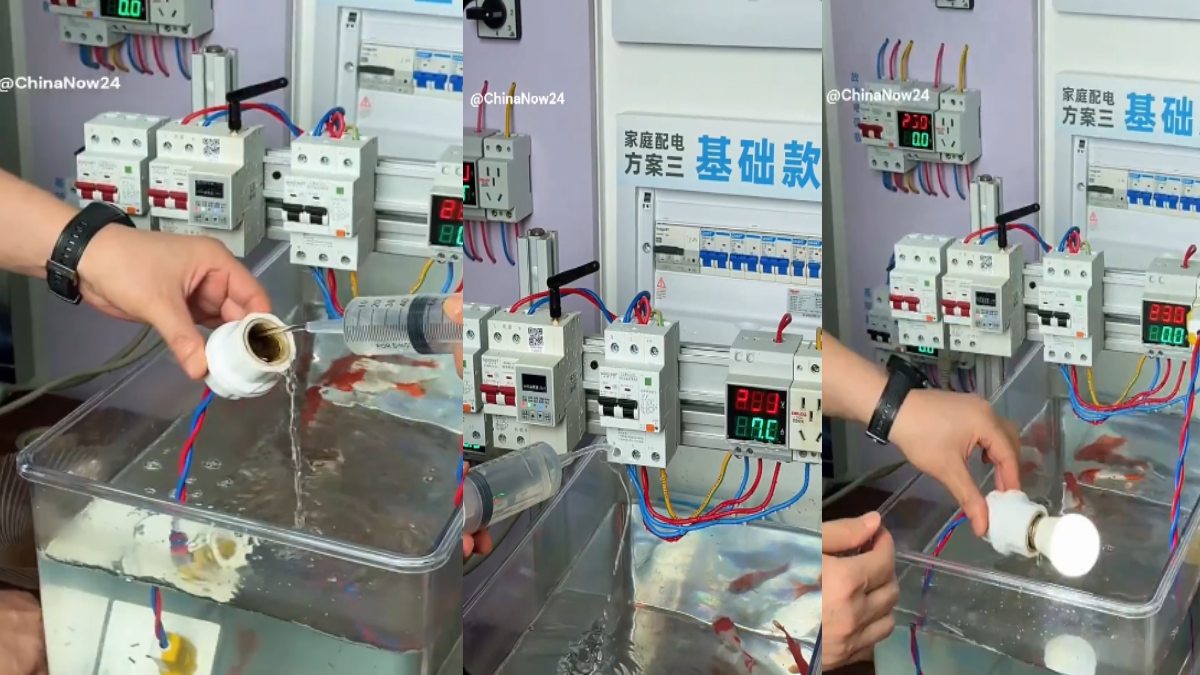
The concept is to provide additional protection but at the same time keep the basic utility of an electrical switch as well. That water resistance and shock protection can be combined is in line with the broader trend in electrical product development and is to make everyday household devices safer and more suitable for a challenging environment.
Why the waterproof electrical switch is important?
Electrical switches are typically installed in places where people can easily access them. In kitchens, bathrooms, utility areas, balconies and other humid spaces, however, moisture can become an additional safety issue.
Water can enter electrical components when switches are poorly protected or exposed to splashes. Moisture around electrical connections can increase the risk of malfunction and, under unsafe conditions, electrical shock.
Water-resistant or waterproof product design will reduce such risks if it is properly engineered, certified and installed according to its specifications.
The China-origin switch design mentioned in the report aims to address this issue by providing protection against water exposure and a shock-protection feature.
Combining Water Resistance With Shock Protection
The main attraction of the design is its attempt to address two safety concerns in one product.
The switch is said to be waterproof, that is, waterproof to protect against moisture. But the word "waterproof" is not to be taken as a guarantee that a switch can be submerged in water or exposed to unlimited amounts of water.
Electrical products have different protection ratings and consumers should look at the manufacturer's IP rating and operating conditions before installing the product.
The second feature is shock protection. This is especially important as switches are directly handled by users. A well-designed enclosure and appropriate insulation can minimize the possibility of users coming into contact with electrically live components.
Designed for Humid Environments
The application is particularly relevant to humid environments. Homes and commercial buildings in areas of high humidity or frequent rainfall would need electrical equipment to cope with moisture.
Bathrooms and kitchens are obvious examples, but electrical installations in such areas must also comply with local electrical codes and safety requirements.
Outdoor locations present additional challenges as switches are likely to be exposed to humidity as well as rain, dust and temperature changes.
A moisture-resistant switch can provide a second layer of protection in the right applications, but it should never be considered a substitute for proper electrical installation.
Easy Operation Remains Important
Safety features are useful only if a product remains practical for everyday use. In this regard, the switch design is described as easy to operate despite its protective construction.
This balancing act between protection and usability is increasingly important as manufacturers develop electrical products for modern homes and workplaces.
Consumers generally expect switches to be simple to operate while also being more secure from environmental factors. A good enclosure can protect internal components without making the switch hard to use.
Certification Is Key
An important factor in any waterproof or shock-resistant electrical product is certification.
Marketing descriptions alone cannot prove whether an electrical switch is safe for a particular environment. Buyers should look for recognized safety certifications, appropriate electrical ratings and an IP protection rating if applicable.
The switch should also be installed correctly. Even a well-protected electrical component can be dangerous if it is connected poorly, overloaded or installed in an unsuitable location.
Qualified electricians should handle mains-voltage electrical installation, particularly in wet or outdoor areas.
Could this become a wider Electrical Safety trend?
The development reflects a growing demand for electrical products that provide more protection against environmental hazards. As homes become more connected and more electrical equipment is installed in kitchens, bathrooms, balconies and outdoor spaces, manufacturers are looking for ways to make electrical components more resilient.
Water-resistant switches could have applications beyond residential buildings, including commercial facilities, industrial environments and other locations where moisture is a concern.
The idea also shows how some everyday household products can be made more advanced with engineering to address daily safety concerns.
A Promising Concept, But Safety Comes First
A waterproof and shock-resistant electrical switch could be an attractive solution for humid environments as long as it meets recognized safety standards and is used within its specified limits.
However, consumers should not assume that any product advertised as “waterproof” is automatically safe around water. Electrical safety depends on the full installation, including wiring, circuit protection, grounding, enclosure rating and correct usage.
The China-origin switch design signals a bright future in electrical product design: adding environmental protection to a familiar household part without sacrificing ease of operation.
No need to worry about water leaking into electrical switches!
— China Now (@ChinaNow24) September 8, 2026
From CHINA comes an electrical switch with a waterproof, shock‑proof design, providing extra protection for use in humid environments while maintaining easy operation and safety. pic.twitter.com/EXJelrSufd
For consumers considering such products, the most important steps are to verify certification, check the protection rating, follow manufacturer instructions and have the installation completed by a qualified professional. These precautions remain essential regardless of how advanced the switch’s protective design may be.