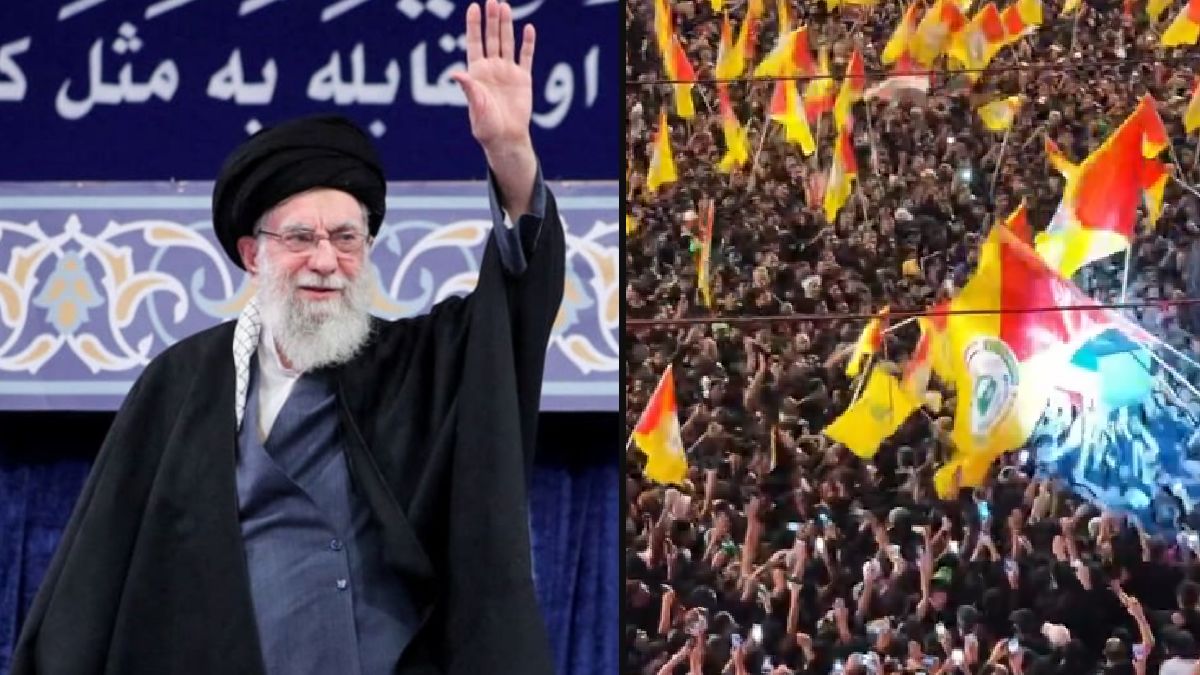
In a surprising twist, Iran’s President Masoud Pezeshkian has publicly apologised to neighbouring nations for recent missile and drone attacks. His statement, made live on state television on March 7, 2026, has come at the height of heightened regional tension after the conflicts with the United States and Israel escalated. The apology is understood as an exercise in soothing fears among Gulf states and neighboring countries that have found themselves caught up in the crossfire.
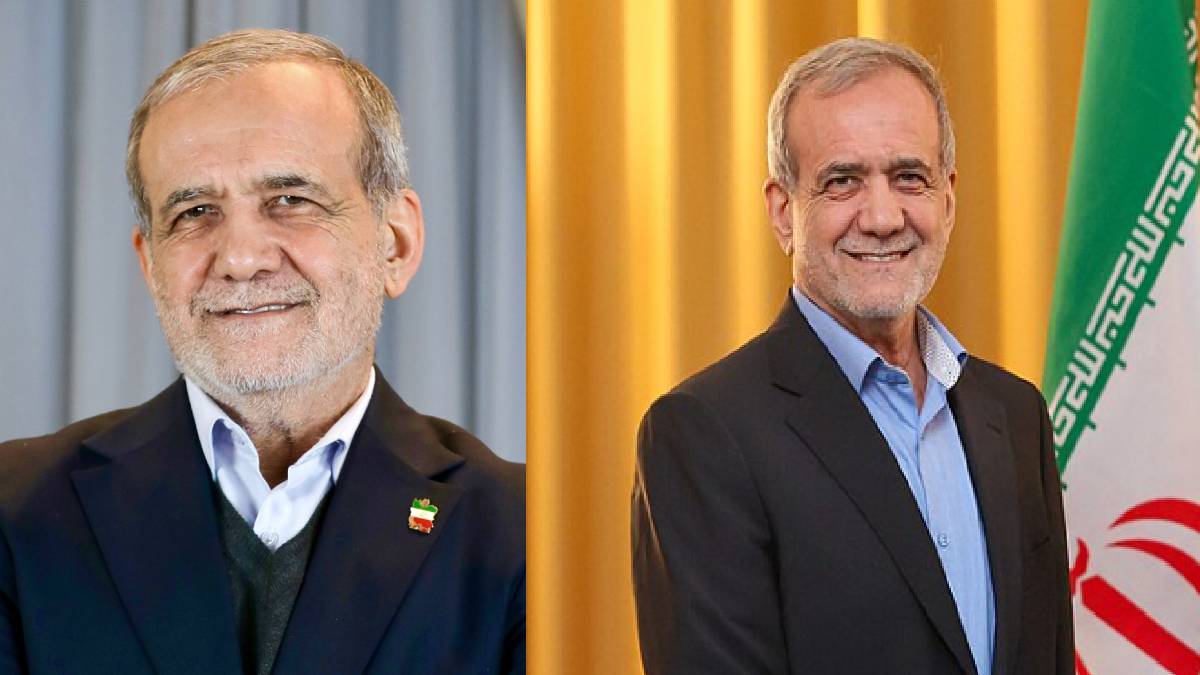
President Pezeshkian stated: “I should apologise to the neighbouring countries that were attacked by Iran, on my own behalf.” He acknowledged the strikes had alarmed people and promised that Iran would not attack neighboring countries unless attacks against Iran came from their soil. It represented something of a rare humbling moment in Iranian politics, where leaders often show strength instead of regret.
The apology follows weeks of savage fighting. In response to the deaths of Iran’s senior leaders in US‑Israel attacks, Iran turned its sights on retaliatory missile and drone attacks. Some of them have spread to neighboring countries, causing concern. Nations in the Gulf and on the Caspian Sea felt worried that the war could spill over from Iran’s borders.
Coiling around the apology greeted this in sympathetic acceptance by adjacent states. Whereas some interpreted it as a positive measure of de‑escalation, the others were skeptical, adding that Iran’s military actions had already inflicted damage and terror. The apology was reportedly meant to avoid the further isolation of Iran and to reassure neighbours Tehran does not want a broader regional war, analysts said.
The statement captures Iran’s delicate balancing act: defying the US and Israel in a fight with a regional dimension while also keeping from alienating the nearby countries. It is also an indication of the increasing importance of diplomacy in a conflict becoming increasingly defined by missile and drone warfare. For global viewers, the apology could help assuage anxieties about oil market uncertainty and regional escalation.
Iran’s President Masoud Pezeshkian’s apology to neighbouring countries is an important diplomatic move at a time of crisis. It does not erase the damage that has already been done, but it gives a nod to Iran’s hope to defuse the confrontation and start to rebuild confidence with its neighbors. The move has stirred cautious hope that diplomacy will still have a role to play in easing tensions in the Middle East.