Iran is angry at new US sanctions on Tehran and warning that Washington’s economic pressure on Iran would have repercussions far beyond the two countries. Iranian Foreign Ministry representative Esmaeil Baghaei said this is a bigger threat to the independence of independent nations and that U.S. secondary sanctions have the potential to affect foreign banks and companies that do business with Iran and other companies that do business with Iran.
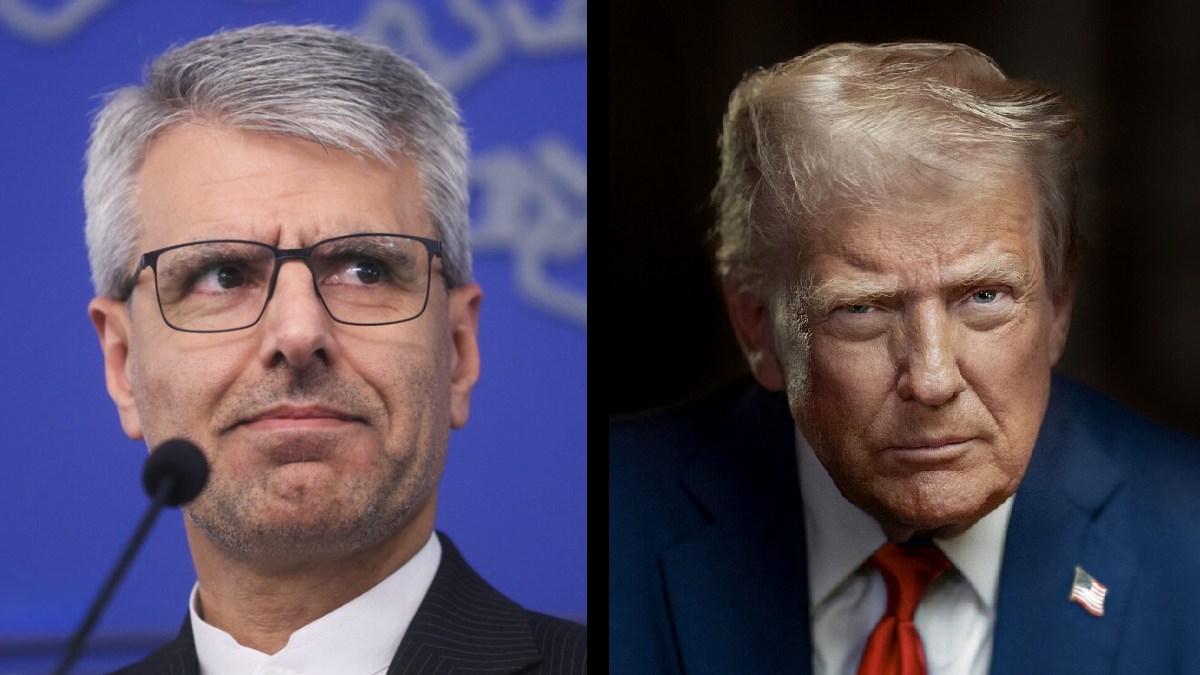
Baghaei said the issue can’t be viewed simply as another chapter in the long-running economic war between Washington and Tehran. He claimed that the United States was trying to influence decisions made by governments and commercial entities outside its own jurisdiction.
The Iranian spokesperson questioned Washington’s ability to pressure foreign institutions into abandonment of legitimate commercial relations with a third country. He said that banks, businesses and airports operating in other countries are under the jurisdiction of their respective sovereign governments and should not be compelled by another state to change their trade policies.
Iran Calls Secondary Sanctions A Sovereignty Issue
Another part of Iran’s criticism is directed at secondary sanctions. Such measures can result in penalties after foreign companies or financial institutions do business with entities or sectors that are subject to US sanctions.
Baghaei said these measures have no basis in international law and are inconsistent with the principle of sovereign equality among states. Article 2, Paragraph 1 of the United Nations Charter establishes the principle of sovereign equality of UN member states.
From Tehran’s perspective, the ability of one powerful country to impose penalties on entities located in other sovereign countries creates a wider international problem. Iran believes that if governments are forced to change their independent economic decisions because of the threat of sanctions from another country, their sovereignty could gradually be weakened.
The comments came amid continuing tension between Iran and the United States and sanctions are one of Washington’s main tools to pressure Tehran. The US has historically used sanctions to target Iranian financial institutions, energy-related activities, companies and individuals.
‘Total Erosion Of National Sovereignty’
Baghaei issued an especially strong warning to countries that choose to comply with US pressure. Accepting such measures without resistance in turn may lead to what he described as the “total erosion of national sovereignty.”
He referred to the development as a possible return to “blatant, full-scale colonialism.” The language is a part of Tehran’s wider criticism of what it describes as unilateral economic coercion by major powers.
Iran has often portrayed U.S. sanctions as a form of economic warfare, and that their effect is felt by the Iranian government and by people. Washington, on the other hand, has maintained that sanctions are a tool to advance its foreign policy and to pressure the Iranian government on issues that are international.
Baghaei also linked sanctions with broader economic and security measures and warned that the combination of financial restrictions and a naval blockade could create an even more serious threat to the sovereignty of other states.
Iran Seeks Wider International Support
Tehran’s latest statement seems designed to convince other countries that the consequences of US sanctions could extend beyond Iran. By framing secondary sanctions as an issue of national sovereignty Iran is in fact trying to shift the conversation away from its own disputes with Washington and toward a wider debate about international economic relations.
The case might be particularly persuasive for countries which have themselves been against unilateral sanctions or extraterritorial sanctions by powerful economies. But governments and businesses must also look at the practical consequences of violating US sanctions (e.g., restrictions on access to the US financial system).
The dispute so far reflects a tension in international relations of the difference between a country’s right to conduct independent foreign trade and the ability of big economic forces to employ their financial power to impose sanctions outside their borders.
The latest step is an indication that, for Iran, it is part of an international system that has powerful states imposing pressure on countries far beyond their borders. Tehran is worried that when this is accepted as normal and no longer in line with the principles of a sovereign equality that underpins the modern world order, it will be the end of a country’s international order.
As Washington and Tehran struggle on, Iran’s latest warning underlines how sanctions are now more than just money; they are a global geopolitical matter. Tehran is positioning them as a test of national sovereignty and international sovereignty and is calling for other countries to resist what it says is economic bullying and outside influence in their domestic decisions.