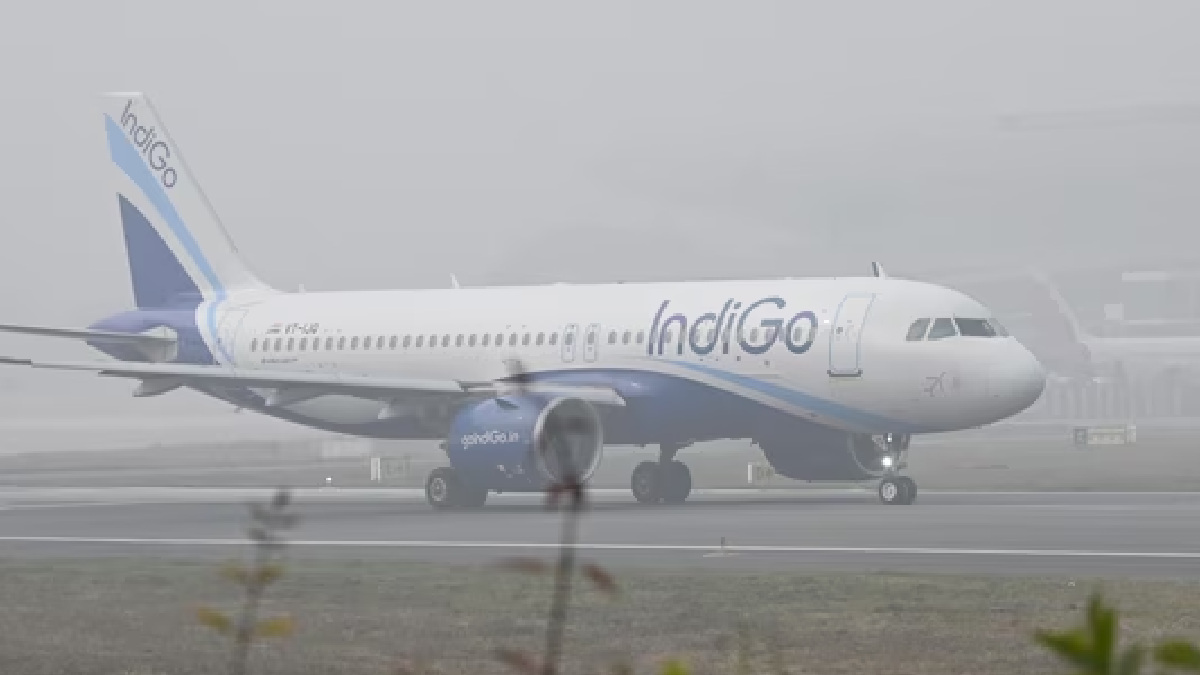
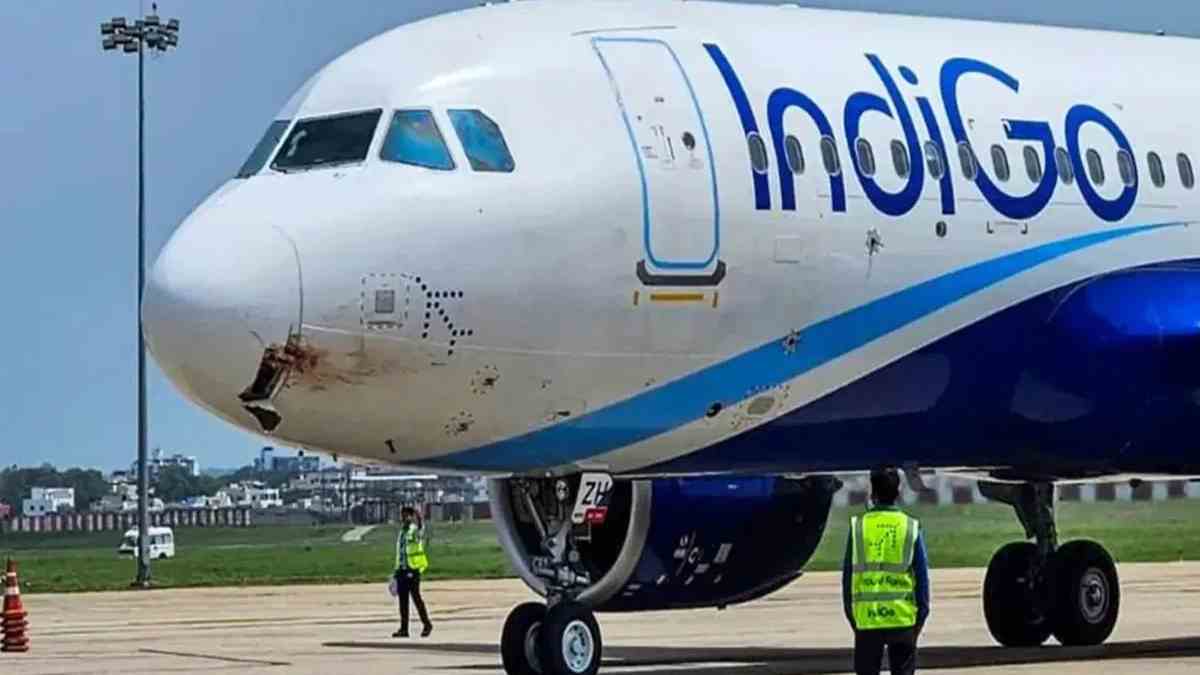
An IndiGo-operated Airbus A320neo had a tail strike during landing at Gorakhpur Airport after the aircraft made multiple go-arounds due to poor local landing conditions. The aircraft had abrasions and scrapes to the rear underside of the aircraft near the APU housing. No injuries were reported on board.
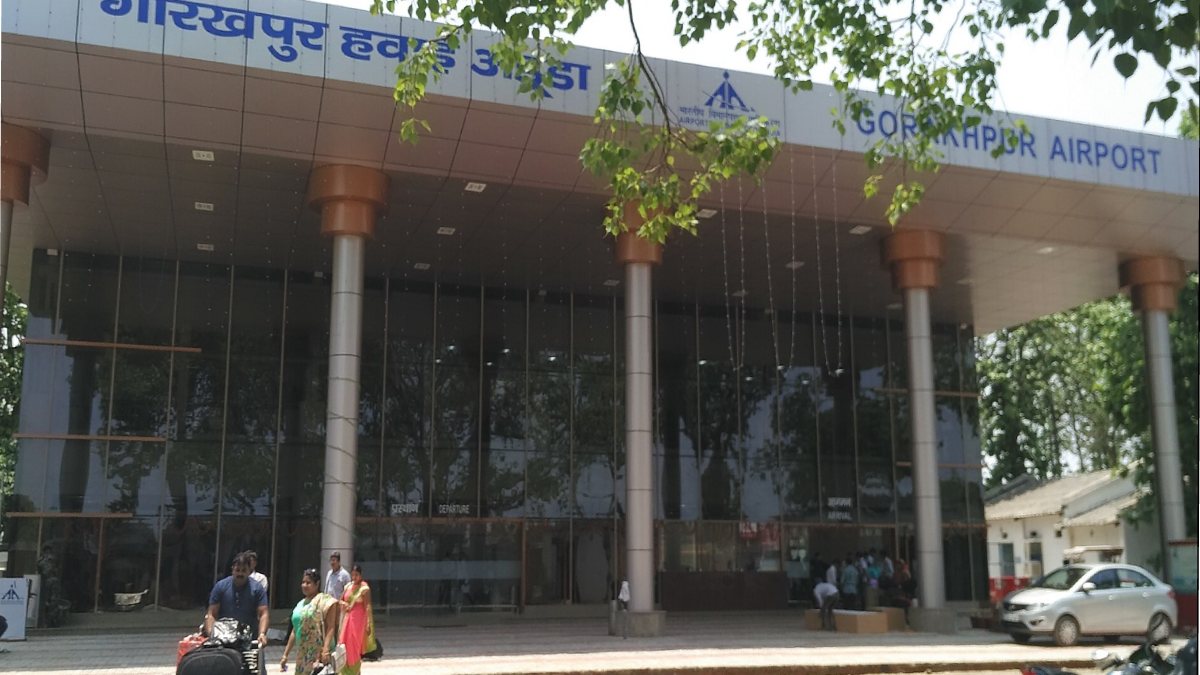
The aircraft was operating from Indira Gandhi International Airport in Delhi to Gorakhpur. The flight crew made go-around after go-around and finally landed at the airport. A go-around is a standard aviation safety procedure where pilots stop an approach if they feel that the landing is not right and make another approach instead.
After the aircraft landed successfully and taxied, a technical inspection of the lower rear of the fuselage revealed damage. The abrasions and scrapes were close to the APU inlet. It was a tail strike because the rear bottom of the aircraft hit the runway during touchdown.
Aircraft Grounded for Detailed Inspection
After the incident, the Airbus A320neo was parked on the ramp at Gorakhpur Airport and remained there pending further technical evaluation. A tail strike requires more than a routine visual inspection because damage to the aircraft's structure may not always be visible from the outside.
Maintenance teams will be required to carry out detailed checks on the structural components such as internal bulkheads and lower fuselage skin. Such checks will allow engineers to assess whether there are structural cracks, deformation, or other damage caused by the impact which will be able to be identified.
The aircraft will return to passenger operations only after the necessary maintenance checks and structural assessments have been completed. The necessary clearances from maintenance personnel and relevant civil aviation authorities will also be required before the aircraft can resume commercial flights.
No Injuries Reported
The incident did not result in injuries. All passengers and crew members on the Delhi-Gorakhpur flight were reported to have disembarked safely.
While the tail strike can lead to structural damage and needs to be closely examined, that doesn’t necessarily mean that the aircraft is damaged; the damage will only be determined after extensive inspection and testing.
Eighth Reported Tail Strike Involving IndiGo Fleet
The Gorakhpur incident has attracted more attention because it is the eighth tail strike on IndiGo's Airbus A320 and A321 narrow-body fleet.
The repeated occurrences have added significance to a safety inquiry by the Aircraft Accident Investigation Bureau (AAIB). The inquiry opened in September 2024 and covers tail strikes related to flight crew training, aircraft pitch management, and environmental conditions during approach.
The hope is that there are recurring operational factors that could contribute to such incidents and that further safety recommendations are needed.
What is a tail strike?
A tail strike occurs when the rear fuselage or underside of an aircraft comes into contact with the runway surface during takeoff or landing. In landing, the aircraft normally approaches the runway with a specific pitch attitude. If the nose is raised too much, the rear section can come into contact with the runway.
Some factors for tail strikes include aircraft pitch, approach speed, runway conditions, weather, wind, and crew handling. Airlines have to work on pilot training, operating procedures, and aircraft systems to minimize the chances of tail strikes.
In the Gorakhpur case, the aircraft had already done multiple go-arounds due to local landing conditions. The approaches and final landing should therefore be relevant to the assessment of the incident.
AAIB Investigation Continues
The AAIB’s wider investigation of repeated tail strike incidents involving IndiGo’s Airbus fleet is also investigating operational and procedural aspects of the incidents. Investigators may also consider flight data, cockpit procedures, aircraft configuration, weather conditions, runway characteristics, pilot training, and maintenance records to assist in their evaluation.
The Ministry of Civil Aviation has not yet released the final findings of the investigation into the repeated tail strike incidents. Thus, no firm conclusion can be drawn about the cause of the Gorakhpur incident.
IndiGo has said that it operates in compliance with the aircraft manufacturer recommendations and DGCA regulations.
For the Gorakhpur aircraft, the immediate focus is on determining the extent of structural damage and performing all necessary safety checks. Only after the aircraft has received the necessary technical and regulatory approvals will it be allowed to return to passenger service.