Dubai's sparkling skyline - a symbol of status, stability, luxury - faced unprecedented challenges on March 1st, 2026. The "True Promise 4" barrage aimed at the heart of the Emirates in response to the United States and Israeli Operation Epic Fury. After U.S. and Israeli forces launched their attack, Tehran's "True Promise 4" finally brought them to the center of the Emirates.
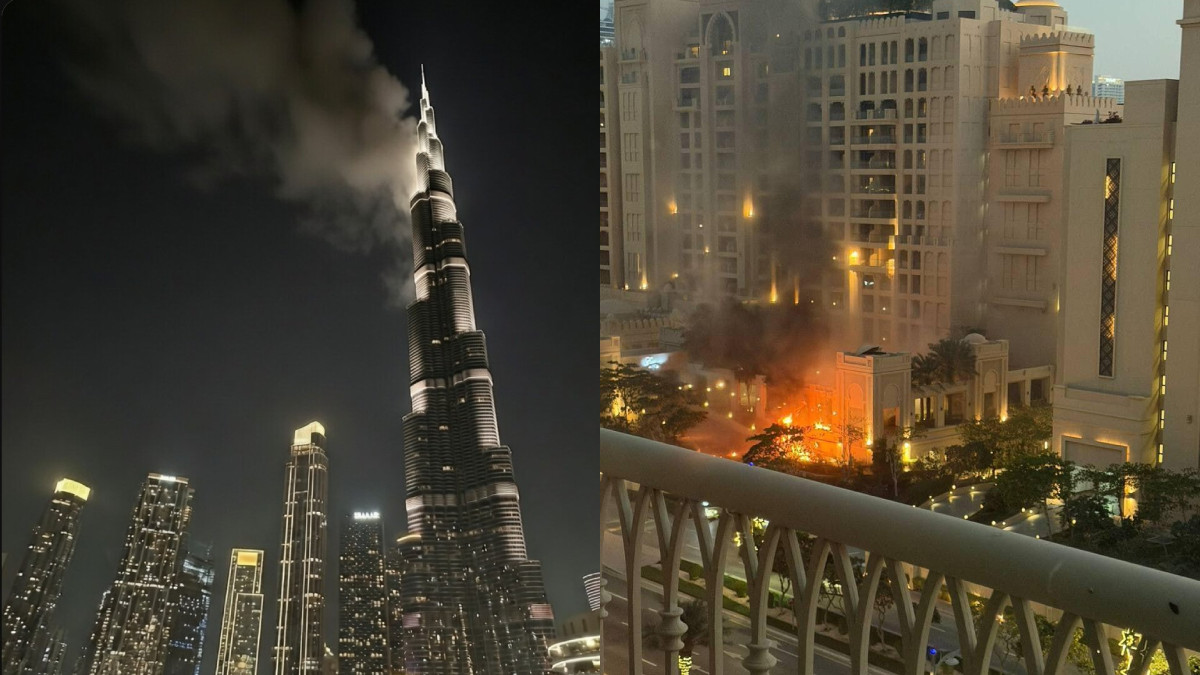
Videos that international news agencies have verified showed a thick plume of black smoke rising from the vicinity of the Burj Khalifa in Downtown Dubai. And while the UAE Ministry of Defence acknowledged that most projectiles were intercepted with “high efficiency,” debris from those interceptions fell in residential and commercial districts. As the 828-meter icon was evacuated as a precaution, a billion-dollar question emerged: Has the world’s tallest building been insured against the fog of war?
The $1.5 Billion Safety Net: That's All?
Not only is the Burj Khalifa an architectural marvel, but it is one of the world’s most highly insured single assets. The insurance mechanism for the developer, Emaar Properties, is multilayered.
PVT - Political Violence and Terrorism
Whereas typical commercial policies might exclude "Acts of War," flagship Emaar assets in Dubai are covered by specialized Political Violence Insurance. This includes:
- Targeted damage from non-state actors (Sabotage and Terrorism).
- War and Civil Disruption: High-ranking policies generally contain language in support of either “hostilities whether war be declared or not” or “acts of foreign enemies.”
- Harm: Damaging structures or places through commensurate civil disorder or particular bombings.
The "Debris" Clause
The majority of the damage reported in Dubai on March 1 was due to falling shrapnel rather than direct missile impacts. Contemporary mega-structures insurance includes provisions specifically for “consequential damage” after defensive military operations (e.g., Patriot or THAAD missile batteries are activated).
Business Interruption
The Burj Khalifa is a vertical city, housing the Armani Hotel, corporate suites and hundreds of private residences. Insurance experts said that Business Interruption (BI) coverage is critical here. Since the building had been evacuated, and the rest of the Downtown district was restricted, revenue loss from tourism (At the Top) and hospitality would probably be claimed under "Loss of Attraction" or "Cordon Sanitaire" clauses.
Straight-Up Hits vs Collateral Damage: The Current State
Although smoke near the spire was seen in some social media footage, reports from the Dubai Media Office confirm the building itself was not directly hit. However, other buildings were not so fortunate:
- Burj Al Arab: 'minor fire' due to intercepted drone debris confirmed on its outer facade.
- Dubai International’s (DXB) Concourse: Minor damage, four people injured.
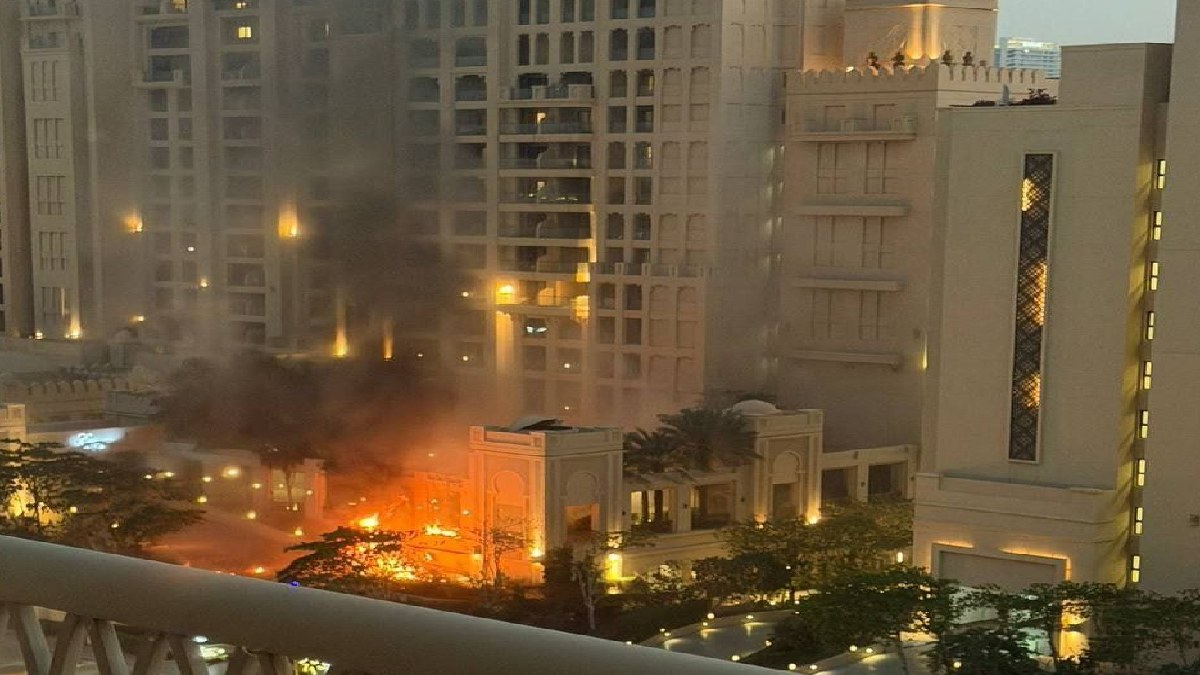
- Palm Jumeirah: Fire reported at luxury hotel after confirmed impact
The U.A.E.’s air defense umbrella is world-class, but insurance premiums for Gulf real estate are expected to skyrocket by 30-50% over the coming week, according to a senior risk analyst with a London-based firm.
The Market Outlook
The impact of the initial explosions, however, has been a “pause” in the Dubai real estate market. The structural integrity of the Burj Khalifa will not be questioned, but world investors are reevaluating the UAE's "safe haven" status. The Burj Khalifa still stands tall for now a testament to the art of engineering and the maze of global finance to safeguard one thing, but it is already being built from the ground up. As the sun goes down on a tense March 1, the world waits to see if it will ever be needed to cash in the insurance policies of the Gulf.