The Israeli Defense Forces (IDF) announced the elimination of the group's senior leadership with the news of the killing of Secretary-General Naim Qassem and his close adviser during a sustained bombing spree in Lebanon.
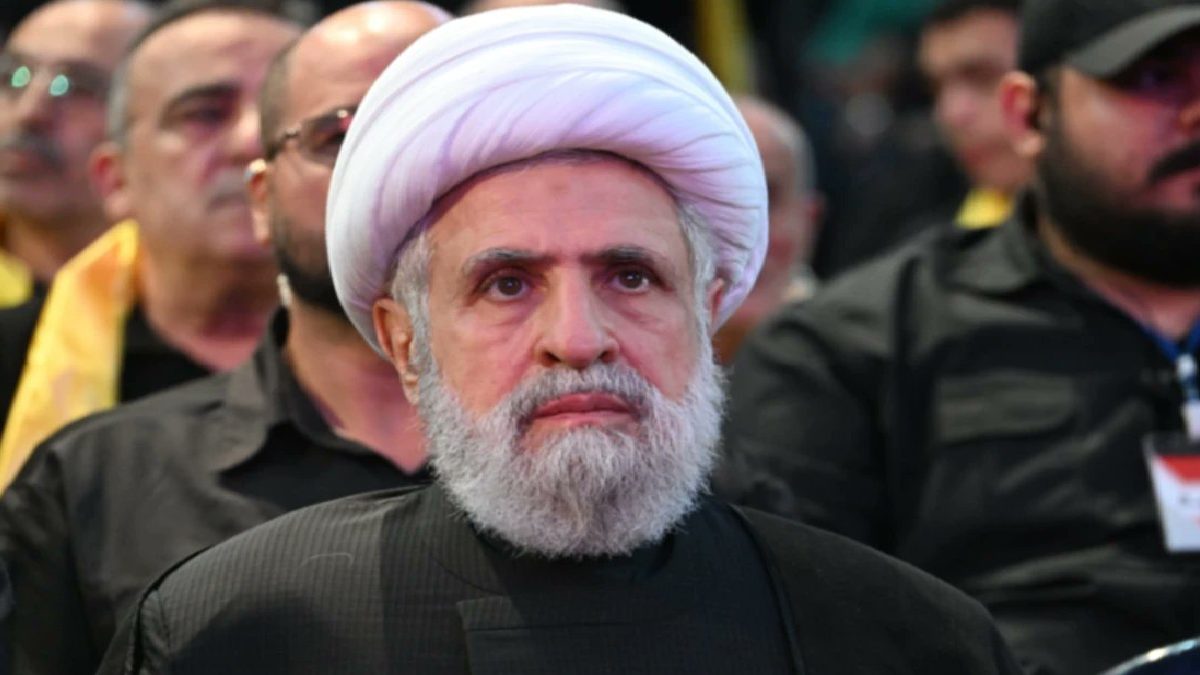
The bombings, which went after the main artery of Beirut and key military centers in the south, mark a seismic escalation in the conflict in the region at a moment when a tenuous U.S.-Iran ceasefire was taking effect.
A Decapitation Strike in Beirut
A statement from the IDF stated in writing that it had executed a “surprise strike” on a Hezbollah command center in Beirut. Naim Qassem, who had been serving as the group’s leader since the earlier assassination of Hassan Nasrallah, was also said to have been killed in the act. The military confirmed the death of Ali Yusuf Harshi, the Secretary-General’s nephew and personal secretary.
“Harshi was described as a key member of the organization’s inner circle and responsible for ensuring and overseeing Qassem’s private operations and communication networks,” the IDF said. “The operation delivers a direct blow to Hezbollah’s leadership and logistical network,” the IDF said in a statement, “it is a substantial step toward defeating the Iran-backed group itself.”
Pounding the Litani: 100 Targets Over 10 Minutes
The assassination was a part of a massive and damaging campaign. Just 10 minutes on Wednesday, 50 Israeli fighter jets dropped about 160 bombs on 100 targets across Lebanon.
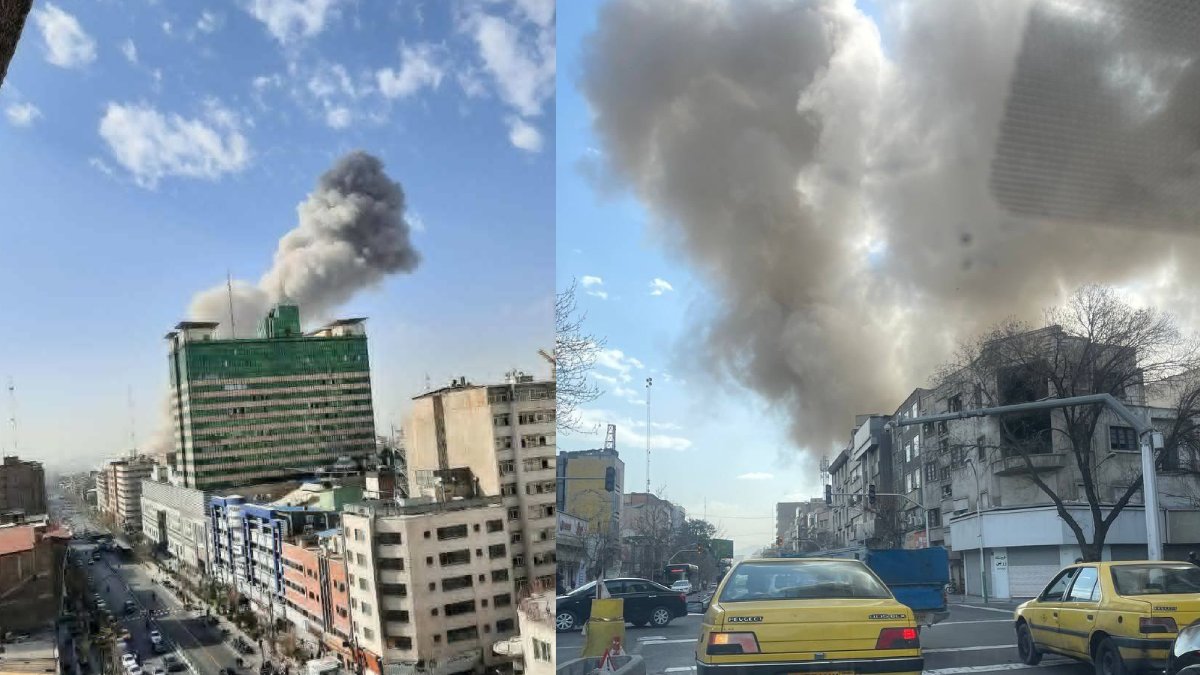
- Logistical Lockdown: Israeli forces bombed crucial transit routes and bridges across the Litani River, cutting Hezbollah’s capacity to move weapons and personnel between northern and southern Lebanon.
- Destruction of assets: In what the IDF referred to as “Operation Roaring Lion,” weapons storage sites, rocket launchers, and underground command structures have been attacked.
- Human Toll: Lebanon’s civil defence said that the bombardment directly killed at least 254 people and wounded more than 1,160 in a single day, and the Ministry of Health advised civilians to free streets to allow emergency vehicles.
Ceasefire on the Brink
The strikes have loomed over the two-week ceasefire between the United States and Iran. Washington described the omission of Lebanon from the truce as a “legitimate misunderstanding,” but Iranian officials have cautioned that the targeting of the top Hezbollah figures might compel Tehran to withdraw from the deal altogether.
“Iran enters this pause battered, weaker than ever,” Israeli Prime Minister Benjamin Netanyahu said in a televised statement defending the expansion of the war into Lebanon. Yet alarm has grown among world leaders, with France and China labeling the strikes as “unacceptable” violations that could spark a wider Middle Eastern conflagration. As of today, Hezbollah has not released a statement confirming or denying accounts of the death of Naim Qassem.