Three years after the October 7, 2023 attack, many Israelis living near the Gaza border still cope with trauma, grief and deep fears about security. Gaza is physically close but psychologically associated with the violence and loss that took place that day in communities like Sderot.
At a lookout point in Sderot, one can see the remains of Beit Hanoun in northern Gaza. Through binoculars you can see damaged buildings and rubble across the border. For some Israelis, the view has been a chance to confront the reality of the territory next door. For others it only serves to cement Gaza as a persistent security threat.
The attack on October 7 transformed Israel’s sense of security. Hamas-led militants killed nearly 1,200 people in southern Israel and kidnapped 251 more, according to figures cited in the report. Gaza was devastated and displaced as a result of the attack and there was a long war. Even after a fragile ceasefire, memories of the attack remain embedded in Israeli society.
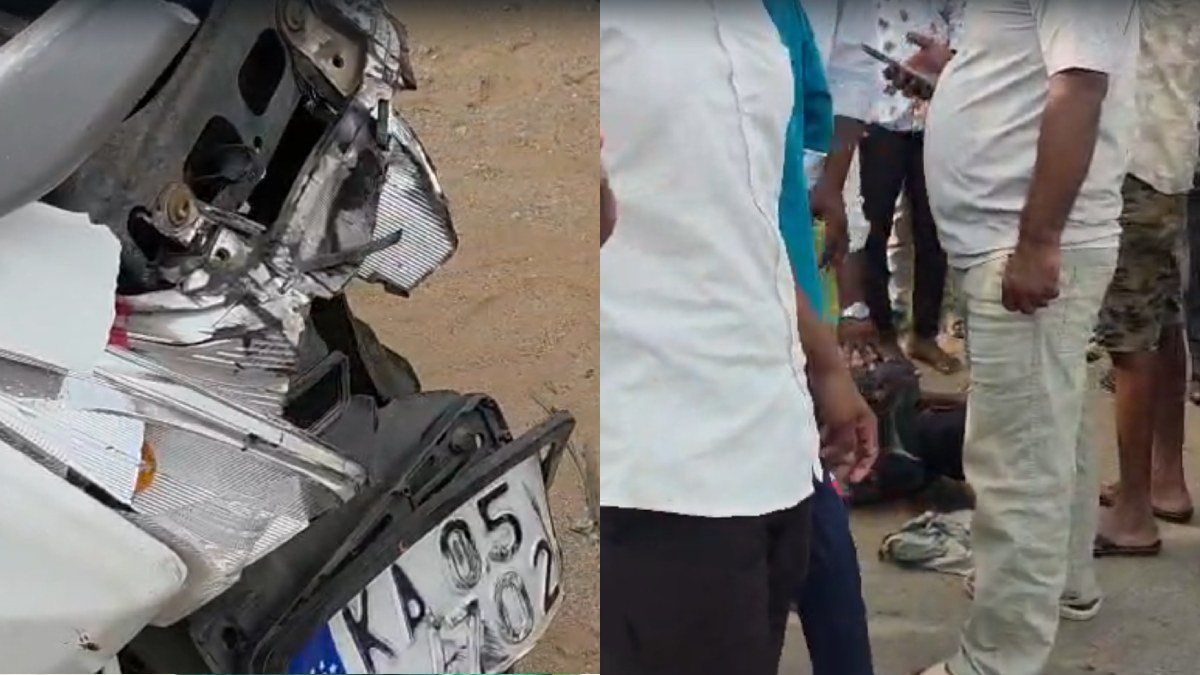
For residents of the areas directly attacked, the trauma is especially personal. Near Gaza, roads are marked with memorial sites, and vehicles damaged during the assault are kept as reminders of the violence. Portraits and memorials honour people killed during the attack, including young military spotters who had warned of a potential attack, said one military officer.
For survivors, everyday life has also been associated with the trauma. Sderot resident Deganit Bar Hay said she still struggles to enjoy barbecuing because the smell of smoke reminds her of burnt bodies and what she called “the smell of hell.” These experiences demonstrate how memories of October 7 still influence daily life.
The emotional divide between Israelis and Palestinians is still very acute. While the destruction and humanitarian crisis in Gaza has received international attention, many Israelis still focus on the victims of October 7 and those kidnapped into Gaza. Palestinian experiences do not get a lot of attention in Israeli public discourse and they are not well received on the other side of the border.
An Israeli documentary that questioned allegations of civilian deaths in Gaza allegedly provoked strong reactions in Israel. But rather than provoking widespread criticism of government policy, the filmmakers faced anger from the public.
The reaction is testimony to the difficulty of discussing the war and Palestinian suffering in a society still processing the trauma of the October 7 attack.
But Israelis say remembering the attack doesn’t mean forgetting empathy or humanity. Ziporah Livneh, who described herself as deeply affected by the country’s history of trauma, said Israel needs to respond to acts of violence firmly but at the same time avoid a society based on revenge.
Her comments reflect an internal debate about how security could coexist with humanity after a traumatic event.
Many Israelis also feel their own suffering has not been properly understood internationally. Mor Izreal, who runs an October 7 virtual reality exhibition in Sderot, said visitors from all over the world have felt sadness and anger and have felt connected. The exhibition aims to bring out the people’s experience of the attack and to preserve the memory of what happened.
The political debate inside Israel has only added to the trauma. The period since October 7 has seen anger over the security lapses that preceded the attack, disagreements among government officials about what was done in the war and the release of hostages. Israeli society has voiced its concerns over security and hostage negotiations from Prime Minister Benjamin Netanyahu's side.
But criticism of the government’s conduct of the war and treatment of Palestinians in Gaza has been more limited in areas of Israeli society. Security remains an immediate concern for many people living near the border. Residents of Sderot have long had only seconds to reach shelters when rockets are fired from Gaza, and the threat is now at once concrete and abstract.
Some residents believe Israel’s international reputation and democratic institutions must also be protected. Amit Gurfinkel, who recalled spending October 7 in a safe room with his daughter and fearing for their lives, represents a minority view in his community that calls for greater accountability over the security failures.
The Israelis who live near Gaza have to deal with a complicated mix of trauma, fear, grief and political disagreement. Physical destruction along the border is what ties people to the attack and raises questions about how they can move past that and move on.
The psychological effects from the attack still exist as communities rebuild and memorials preserve the memory of October 7. Israeli society is now confronted not only with rebuilding homes but also with the long-term emotional effects of the conflict. Whether those experiences will result in greater understanding or division remains an open question.