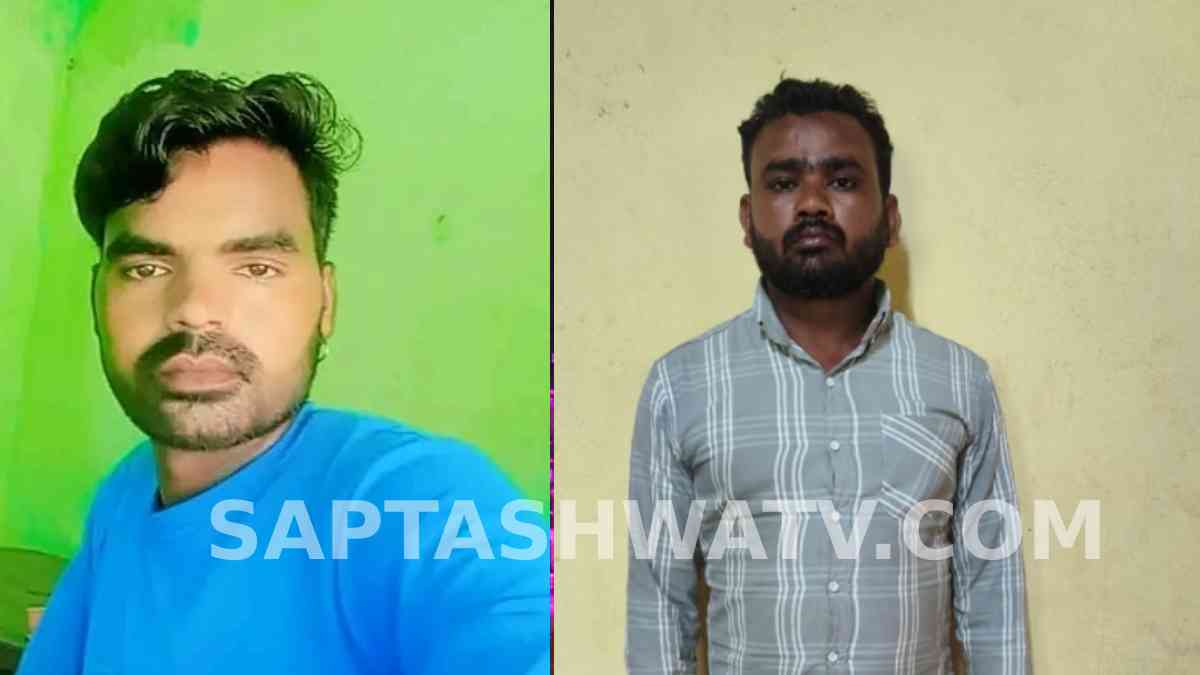
A Jaish-e-Mohammed (JeM) recruiter, Hafiz Zulfiqar, was killed by unknown gunmen in Pakistan, according to media reports on Monday. The killing has drawn attention given Zulfiqar’s alleged association with the Pakistan-based terrorist network and claims that he was related to Zaki-ur-Rehman Lakhvi, a key suspect in the 26/11 Mumbai terror attack.
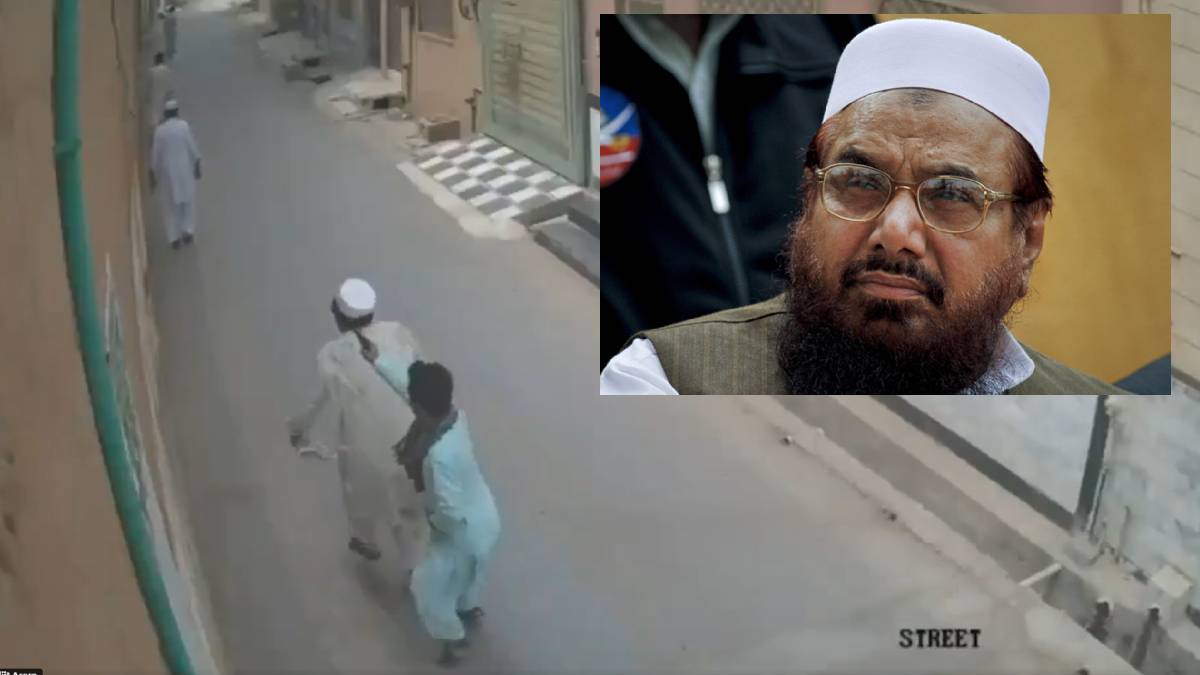
According to reports, Zulfiqar was targeted by unidentified attackers in Pakistan. The exact location of the shooting and the identity of the attackers and the motive behind the killing remain unclear. There was no independent indication of who had carried out the attack.
The incident is part of a series of mysterious killings of people or associates of Pakistan-based militant organisations that have taken place and have been reported in recent years. Recently, suspected terrorists and operatives of Pakistan-based groups like Lashkar-e-Taiba and Jaish-e-Mohammed have been killed by unknown gunmen in Pakistan.
In early August, an alleged Lashkar-e-Taiba operative claimed that more than 30 members of the organisation had been killed by unidentified gunmen over a period of three to four years. The reported deaths were said to have occurred in places such as Peshawar, Karachi, Rawalpindi and Pakistan-occupied Kashmir.
The latest reported killing has added to the continuing mystery surrounding attacks on militant figures operating from Pakistan.
Dhurandhar Strikes Again! 💥
— Megh Updates 🚨™ (@MeghUpdates) August 31, 2026
Jaish-e-Mohammed recruiter Hafiz Zulfiqar, reportedly a relative of 26/11 Mumbai terror mastermind Zaki-ur-Rehman Lakhvi, has been KILLED by UNKNOWN GUNMEN in Pakistan. 🔥 pic.twitter.com/0ZgssfpCgv
Jaish-e-Mohammed is a Pakistan-based militant organisation that has been designated as a terrorist organisation by the United Nations and several countries. The group has long been connected with militant activities targeting India and has been involved in various major terror incidents in the region.
The connection between Hafiz Zulfiqar and Zaki-ur-Rehman Lakhvi has gained more interest in the incident. Lakhvi was a senior commander in Lashkar-e-Taiba and one of the key players in a conspiracy behind the Mumbai terror attacks of November 2008 that killed over 160 people.
However, the exact nature of Zulfiqar's reported family relationship with Lakhvi and his exact position in Jaish-e-Mohammed would require verification from authoritative sources. Initial reports circulating online have described him as a JeM recruiter and a relative of Lakhvi, but more independent verification is needed.
The incident also comes at a time when Pakistan-based terrorist organisations still have a presence. It has been reported in the past that the Jaish-e-Mohammed headquarters in Bahawalpur has been restored and operational after India's Operation Sindoor had caused serious damage to it.
The developments have kept attention focused on the infrastructure and networks of militant organisations operating from Pakistani territory.
Any disruption reported by India involving people associated with terror groups would be highly security- and intelligence-sensitive given the fact that this person is alleged to have links to well-established militant networks. But the reasons for Zulfiqar’s death are still being investigated.
The identities and motives of the attackers are also not known at this time. At this stage, it would be premature to assume responsibility for the killing without any concrete evidence or official statement.
Hafiz Zulfiqar's death adds to a growing list of unexplained attacks on suspected militants in Pakistan. As investigators and security forces probe the circumstances, there could be additional details about his role, his reported links to Lakhvi and the circumstances for which he was targeted.
For now, the key thing is that Hafiz Zulfiqar's supposed murder by unknown gunmen has not been explained so far, and there are many unknowns surrounding the incident.