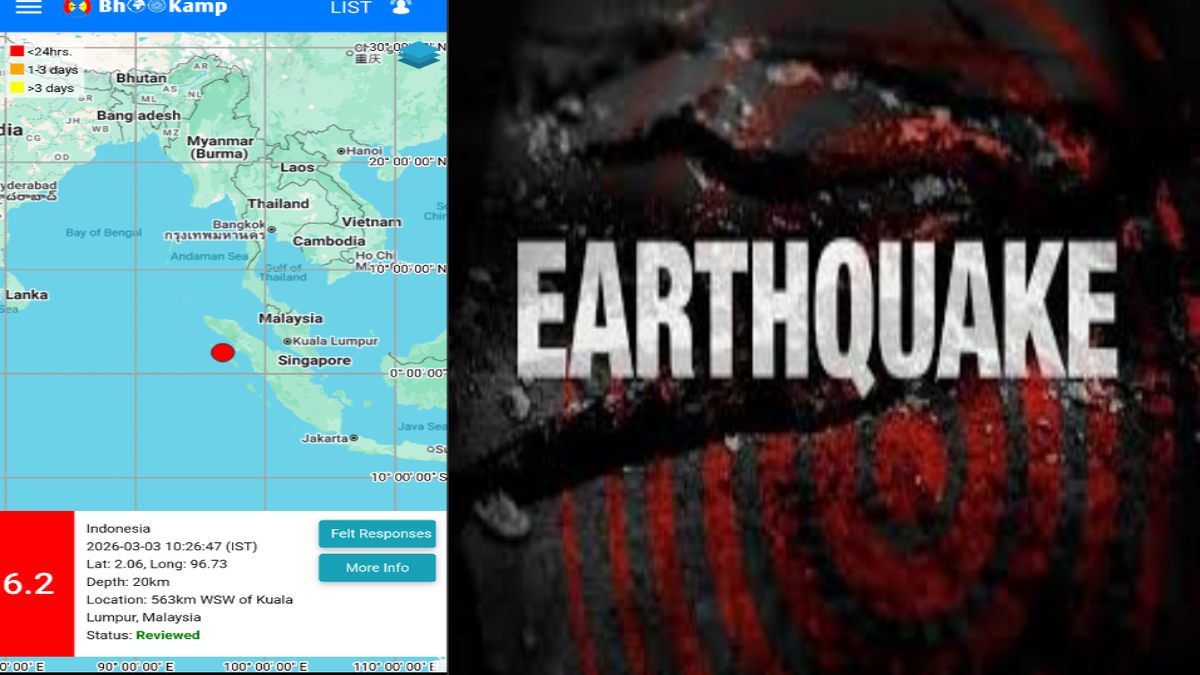
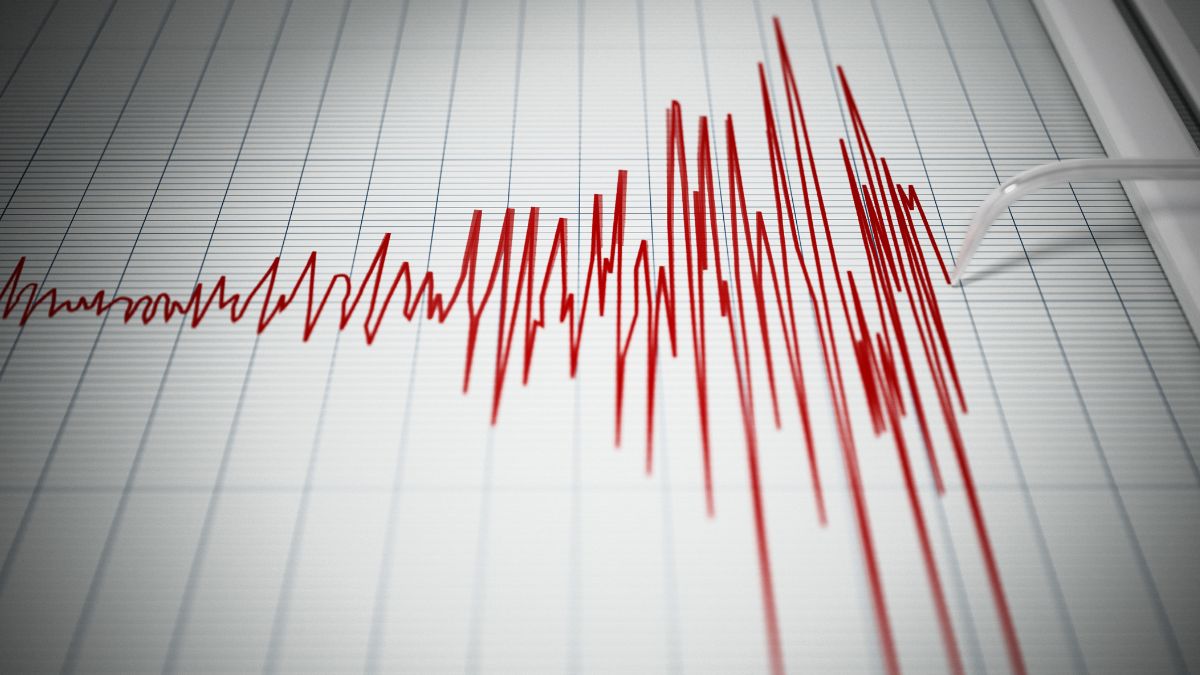
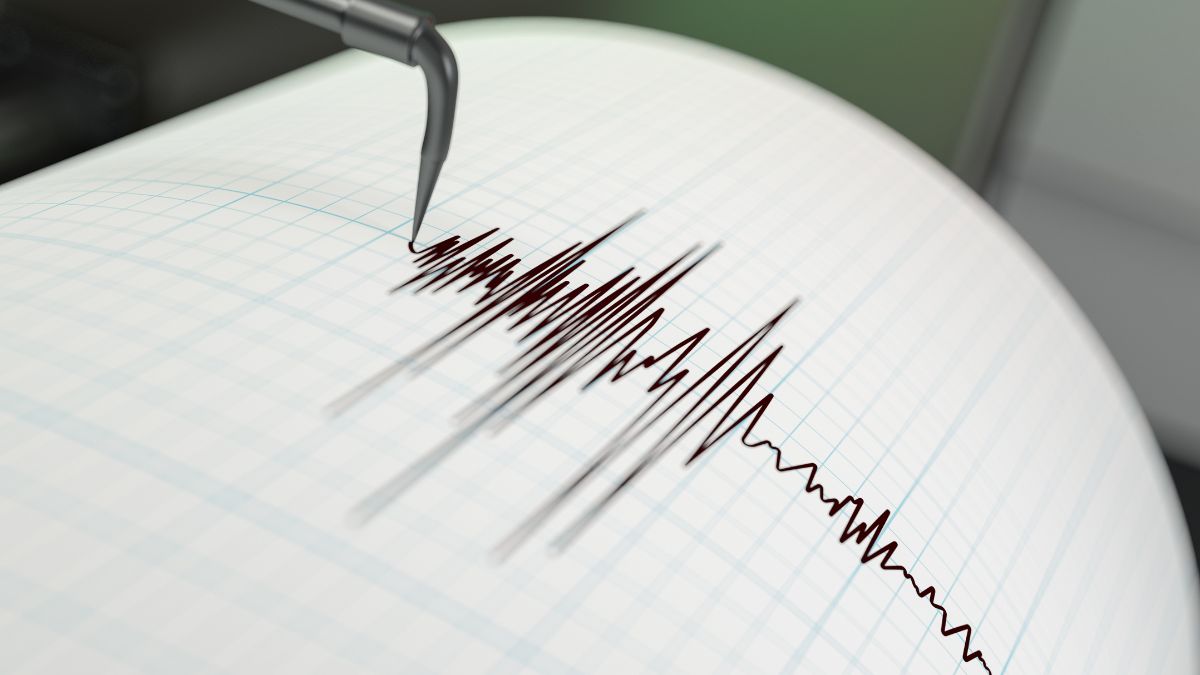
An earthquake of magnitude 7.4 hit northern Japan, and there was general panic; authorities issued a tsunami warning. An earthquake earlier in the day shook several areas, which were strongly felt, and residents panicked and moved to take measures to evacuate coastal regions.
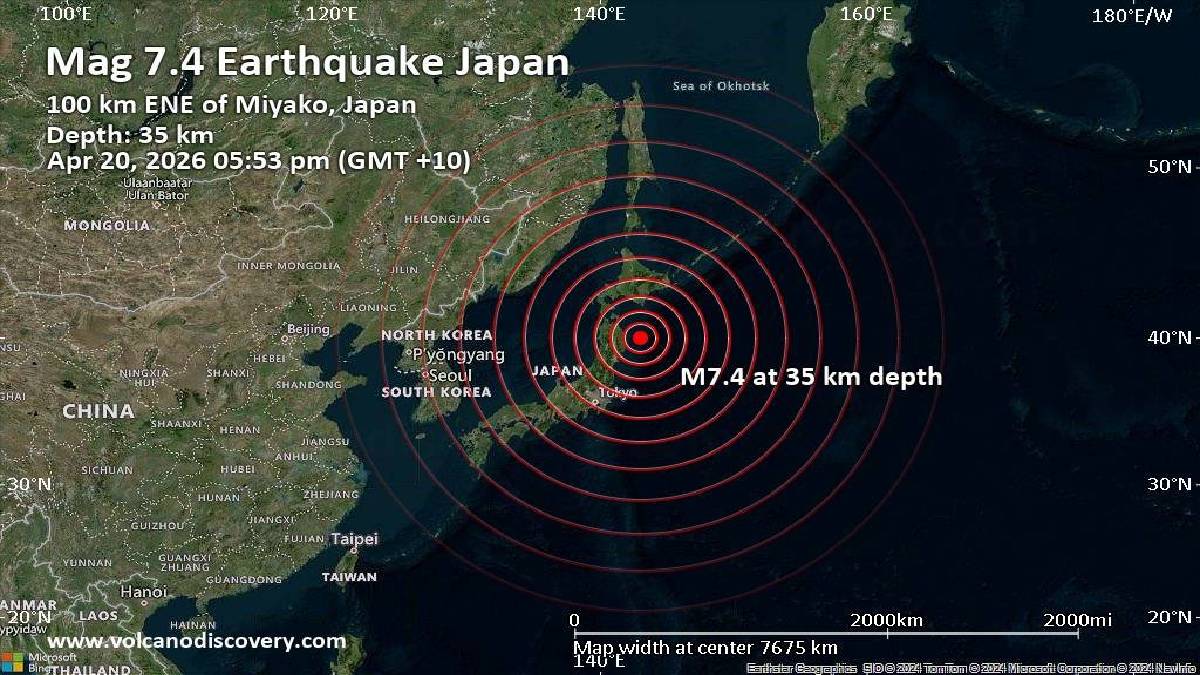
The hypocenter of the earthquake was at a significant depth, and the region around it was off the coast of northern Japan, said the Japan Meteorological Agency (JMA). The agency quickly issued a tsunami warning as it warned that waves could hit vulnerable shorelines within a short time after the quake.
Dramatic TV, radio and mobile networks broadcasting emergency alerts urged residents along coastlines to escape to higher ground as soon as possible. Even mild waves of tsunamis could raise risk in the case of strong currents and rapid flooding, officials said.
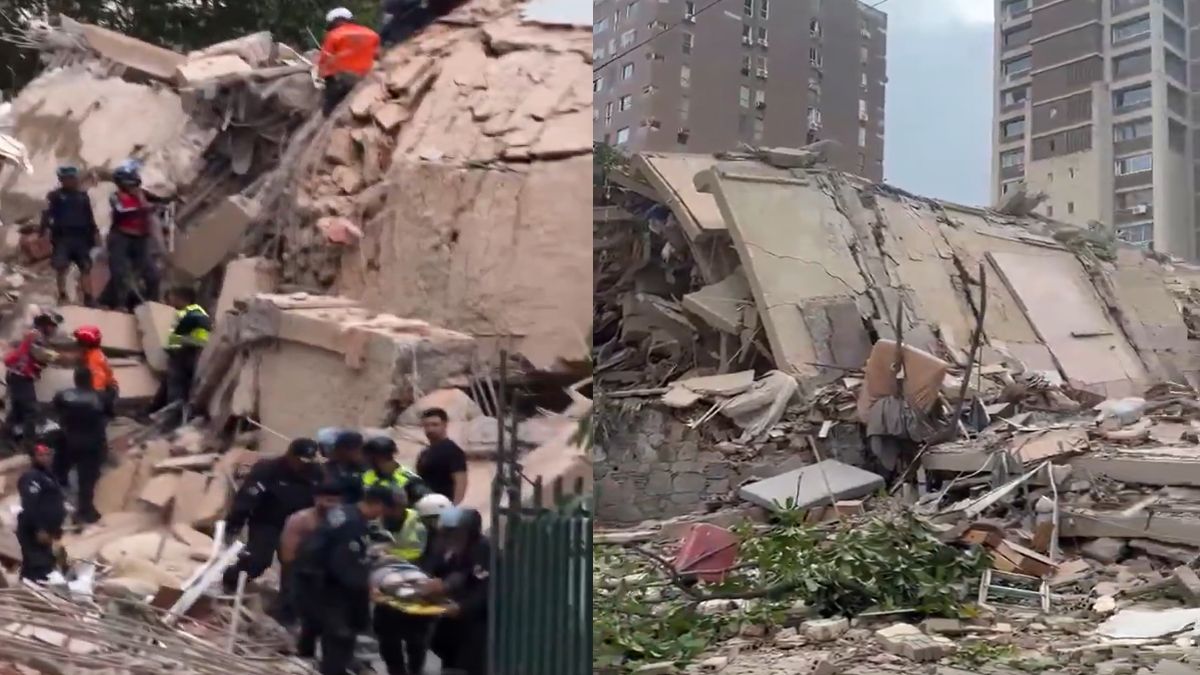
Initially, there were reports that some buildings had shaken violently in several areas, though no later confirmation that there actually had been such large-scale damage to the buildings that either caused or produced fatalities. As an emergency stop, trains and other transit lines, and airport infrastructure, are suspended and on alert.
Local districts carried out disaster response plans, which included local crisis response teams to address the issue and assist the residents. Consequently, schools and offices in areas where this has happened were evacuated, and emergency shelters were launched in low-lying coastal areas where people live. Japan (which sits on the seismically active Pacific Ring of Fire) tends to experience earthquakes at different magnitudes.
It is well-prepared for such natural disasters, with strict building codes, advanced early warning systems and regular drills on disaster preparedness procedures to reduce the risk. But officials continue to insist on a state of vigilance, particularly in the hours when the quake does take place; aftershocks are often frequent and, in extreme situations, strong.
In response, another shaking can happen, and JMA warns. The residents should be told to watch what is going on, and they have to comply with official guidance. At the same time, tsunami monitoring systems, which are activated to monitor sea level on a regular basis at all times, are issuing periodic status reports.
They have stressed that anyone who comes back to coastal areas should not return until the warning is given a formal end. The situation is still a moving target and public safety is an issue of emergency services that's on call 24 hours a day.
But the damage is far from clear and the best measure on all aspects will undoubtedly be the prompt response of the authorities and the public adhering to safety protocols. Japan faces the onslaught of nature yet another time and a reminder that the protection of life, and the rapid recovery of its balance, will stay top of mind. More detail, then, is coming from ground reports and official sources.