Japan's Prime Minister Sanae Takaichi has taken an even tougher approach to immigration and rules on foreign nationals, and angering many people who worry about Japan's approach to illegal immigration and refugee claims is high. A viral social media post has attributed a strong statement to Takaichi saying Japan will no longer take in illegal migrants and that “fake refugees” will be deported.
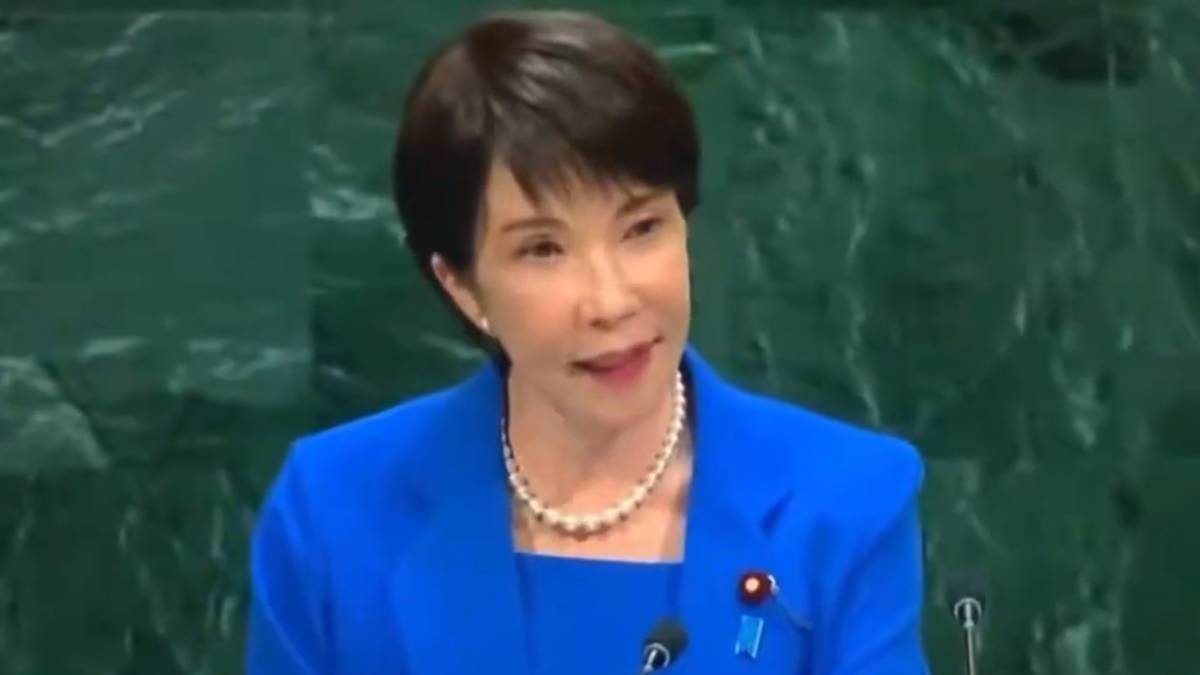
The claim reads like some of Takaichi’s previous comments on immigration, but the viral language should be treated carefully. In September 2025, while campaigning for the leadership of Japan’s Liberal Democratic Party, Takaichi said that people who come to Japan for financial reasons and claim to be refugees should return home, while illegal immigrants should be required to abide by Japanese law.
However, there is no evidence that the widely propagated English-language statement about “Western globalism” is a direct quote from Takaichi. Similar social media posts have often amplified or altered her immigration-related comments.
Takaichi’s government has, nevertheless, taken more action on foreign nationals and immigration enforcement. In August 2026, Japan’s Immigration Services Agency began sharing information on foreign nationals facing deportation proceedings with local governments as part of a broader review of policies on foreign resident policy and immigration enforcement under Takaichi.
🚨SHOCKING: 🇯🇵 Prime Minister of Japan, Sanae Takaichi, EXPOSES Western globalism:
— Commentary Donald Trump (@RealTrumpGesara) September 25, 2026
"Japan will NOT take in ILLEGAL MIGRANTS ANYMORE, fake refugees will be DEPORTED." pic.twitter.com/MxZSNBkugD
The policy direction has also been accompanied by a greater emphasis on enforcing existing rules. Takaichi has claimed that Japan needs foreign workers because of its shrinking population and labour shortages, and that illegal activities and violations of rules by some foreign nationals have worried some Japanese people. The government will respond to such behaviour with the same kind of firmness and a clear vision, she said in her policy speech, as opposed to xenophobia.
Japan’s immigration issue has become more prominent as the country faces demographic challenges. In many sectors, businesses depend on foreign workers to reduce labour shortages, and at the same time the federal government has been under pressure to tighten control over immigration, visa compliance and foreign residents.
Social media claims about Takaichi have also previously included inaccurate reports of a new “Ministry for Mass Deportations.” No such ministry had been formed, fact-checkers found. The government did appoint a minister in charge of a “well-ordered and harmonious coexistence with foreign nationals,” but that was not equivalent to creating a ministry for mass deportations.
Recently, AFP also investigated claims that Takaichi ordered the deportation of foreigners who could not adapt to Japanese culture. The agency found that the videos circulating with the claim combined unrelated footage and there were no official reports supporting the purported directive.
At the same time, Japan is still doing the administrative work of dealing with people who are in deportation proceedings. The change in policy in August 2026 to share relevant information with local governments is a very concrete policy change that is intended to improve coordination between national and local governments.
Takaichi’s wider political position thus combines tougher enforcement with an acknowledgment that Japan still needs foreign workers. Her government has repeatedly emphasized compliance with Japanese laws and regulations while maintaining that immigration policy should not be seen as an all-in-all hostile stance toward foreigners.
The viral statement about Japan refusing illegal migrants and deporting “fake refugees” has gained traction online because it echoes Takaichi’s well-documented hard-line views on immigration. But the exact wording circulating on social media should not be presented as a confirmed quotation without an authoritative source.
The issue has long been a matter of national debate in Japan about immigration, demographic change, labour shortages, refugee policy and enforcement of existing laws. Takaichi’s administration has moved to more robustly monitor foreign nationals, but claims of a blanket mass deportation policy need to be clearly distinguished from the specific measures and statements made in the past and outlined in official reports.