British Prime Minister Keir Starmer has resigned in a turbulent period in British politics and the Labour Party is to have a major leadership transition in the ruling Labour Party. The announcement comes at a time when months of speculation, growing internal revolt against Starmer and mounting pressure from senior party politicians has led to Starmer’s removal as well as from the party leader to lead the party into the next general elections in a time when the political climate of the next general election.
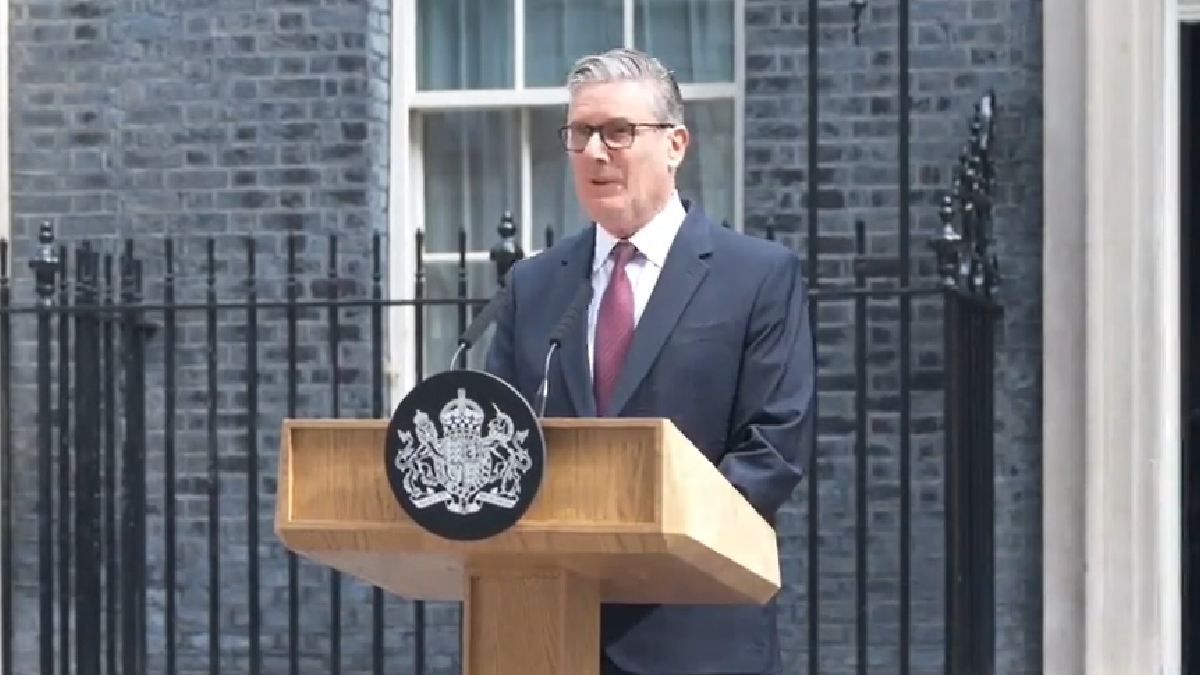
Starmer’s departure follows a series of political setbacks that have weakened his authority in the government and in Labour. Recent electoral disappointments, declining public support and several high-profile ministerial resignations raised concerns about the government’s direction and led to calls for a change in leadership. Ministers and dozens of Labour MPs had said they asked the prime minister to set out a timetable for stepping down.
Starmer acknowledged the difficulties his government and the nation had in these departments, and he thanked colleagues, supporters and voters for backing the Labour vision. An orderly transition was needed, and Labour would work with party officials to ensure that the leadership transition was as smooth as possible, he added. In recent weeks, there had been speculation on succession as Labour leaders wished to avoid a long-term political limbo.
The resignation will trigger a leadership contest in the Labour Party, and there are already names mentioned as possible replacements. Andy Burnham, Wes Streeting, Angela Rayner, and Shabana Mahmood are among the most popular candidates. Political analysts think the outcome of the contest will have a huge effect on Labour and the British government.
Starmer’s time as prime minister has been one of several things: problems with the economy, public service reforms, international security issues and Britain’s place in the world. He was credited by his supporters with stability when the economy was at an impasse, and critics say the government didn’t keep public confidence in the midst of economic uncertainty and internal party divisions.
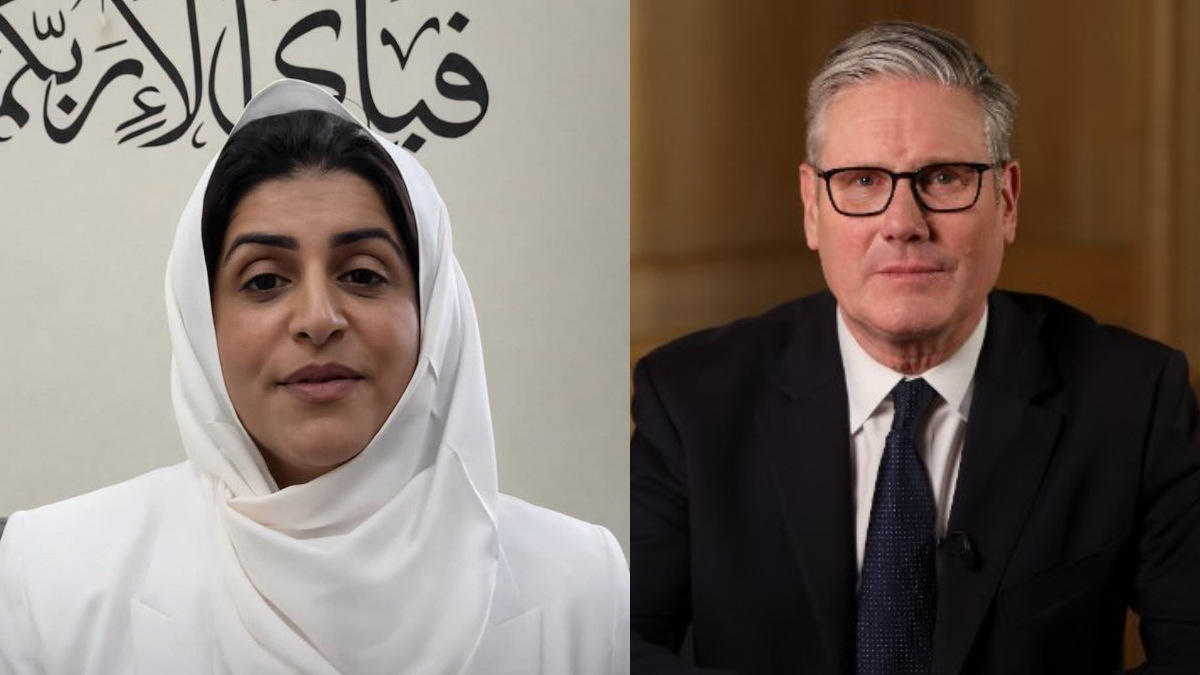
The resignation also has a great impact on the wider political landscape in the United Kingdom. Opposition parties will be closely monitoring the government’s transition process, and investors and international partners will be watching for signs of political stability. Analysts say the leadership race has the potential to be one of the most important contests in recent British political history.
As the country prepares for a new chapter, now the focus is on who will succeed Starmer and how Labour will reunite as a party after months of political tumult. The next few weeks will be all about leadership play, policy discussion and the government’s messaging about how the economy and the markets will cope with the transition and how to reassure the public and the financial markets.