A helicopter crash in Kenya’s northern Samburu County has claimed the lives of all on board in a disaster that has rocked the country’s tourism and aviation industry. The helicopter went down on Wednesday, August 19, in a remote and rugged area near Mount Ololokwe, a prominent landmark near Samburu’s great wildlife sites.
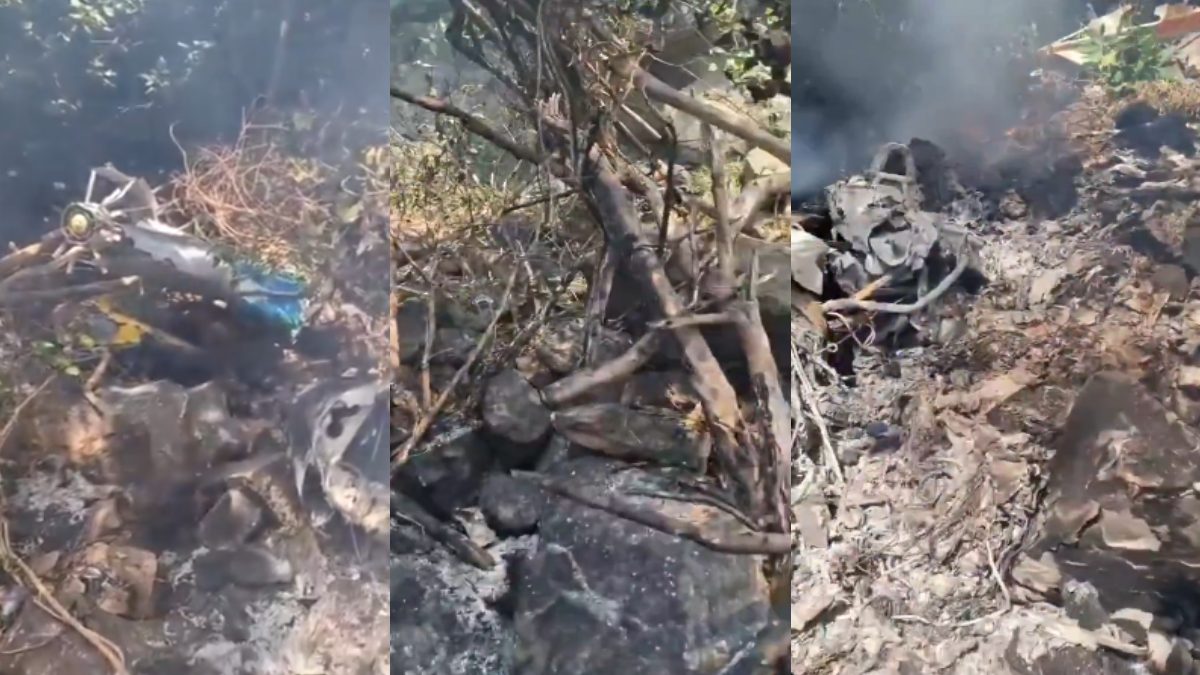
The plane’s passengers were tourists but no exact numbers and identities of people on board have been established, investigators said.
According to local authorities and media sources, the helicopter crashed at 9:13 a.m. local time. The aircraft had been heading from the Loisaba area to the Ewaso Nyiro area near Mount Ololokwe when it went down in difficult terrain near Mount Ololokwe, where it was reported to have been flying to the area from, where tourists are going for safaris and wildlife experiences, and so helicopter flights would have been a good option to reach remote lodges, conservancies and tourist destinations.
There have been reports that there were seven people on board the helicopter, including a pilot and passengers, and that there were no survivors. But at the time, the Kenya Aviation Authority and other sources reported that the number and identities of those onboard had not been officially disclosed. So the passenger number is preliminary until Kenyan authorities release a definitive explanation.
The aircraft was operated by Tropic Air, a local safari aviation company. Its flight was associated with travel between safari destinations in northern Kenya, where aircraft are frequently used due to the large distances and remote terrain between wildlife reserves and conservancies. Helicopter services can offer visitors quicker access to areas that would otherwise require long walks down the road.
The crash occurred in a rugged part of Samburu County, which made it difficult for emergency and recovery teams to reach the site. The terrain around the crash site was very difficult to access, rescue and recovery teams, including members of the Kenyan Red Cross and aviation operators, said.
The smoke from the crash site was seen by witnesses when they came to the scene. Emergency workers had to deal with this accident in such a remote environment; emergency personnel had to respond in an extremely difficult way, and the response was based on getting the base secured, recovering those on board and gathering the information needed to help investigators.
The Kenya Civil Aviation Authority said a helicopter crashed in Samburu County and expressed condolences after the tragedy. The authority and other government agencies should investigate the cause of the accident. At the time of the initial reports, the cause of the crash was not known.
One of the first things accident investigators review is the reasons for a crash. The aircraft, flight records, weather conditions, maintenance history, operational procedures and any evidence that could be gathered from the aircraft can then be examined. In this instance, a helicopter crash will be investigated, so authorities will have to determine the events leading up to the helicopter’s loss and the technical, environmental and operational factors that led to it.
Kenya's tourism industry is known internationally for wildlife reserves and safaris. Samburu and other parks are popular with tourists around the world. A lot of safari camps are far from major cities and the standard transport routes, so aviation is very important for that.
The accident has reignited concern around aviation safety in remote tourism places. Helicopter and light-aircraft services are widely used to connect tourists with safari locations, but operations in remote areas can be quite difficult due to the terrain, changing weather and limited access to emergency facilities.
All that said, we should not conjecture about this particular accident before we have done our work for our investigation. Early reports of aviation accidents may be incomplete or contradictory, especially regarding passenger numbers and victim identities. The facts will have to be established formally.
The helicopter's passengers were also expected to be identified and families notified, the sources said. The nationalities of the passengers were not confirmed in the initial reports.
This tragedy comes as Kenya continues to attract international tourists for safari experiences, with aircraft linking Nairobi, private conservancies, national parks and remote lodges. The crash will galvanize safety procedures and emergency preparedness for those who serve these destinations.
A tourist helicopter crashed in Samburu County, Kenya, on Wednesday morning, August 19, 2026, with no survivors, according to multiple sources.
— T_CAS videos (@tecas2000) August 19, 2026
The Kenya Civil Aviation Authority (KCAA) confirmed the accident involving a Eurocopter EC130 B4 helicopter (registration number… pic.twitter.com/077uIfvYZw
And the investigation of the accident continues, with the victims and their families still in focus as investigators try to piece together the facts. It is not clear what caused the crash, and more official information is expected to come when it is investigated and the plane reconstruction is done.
The reported loss of life makes the Samburu helicopter crash a very tragic event for Kenya's aviation and tourism community. Based on what is known today, officials and investigators will be able to give verified information about the victims, the aircraft and the reasons for the crash. So much about the passenger number and other things that have been revealed are preliminary.