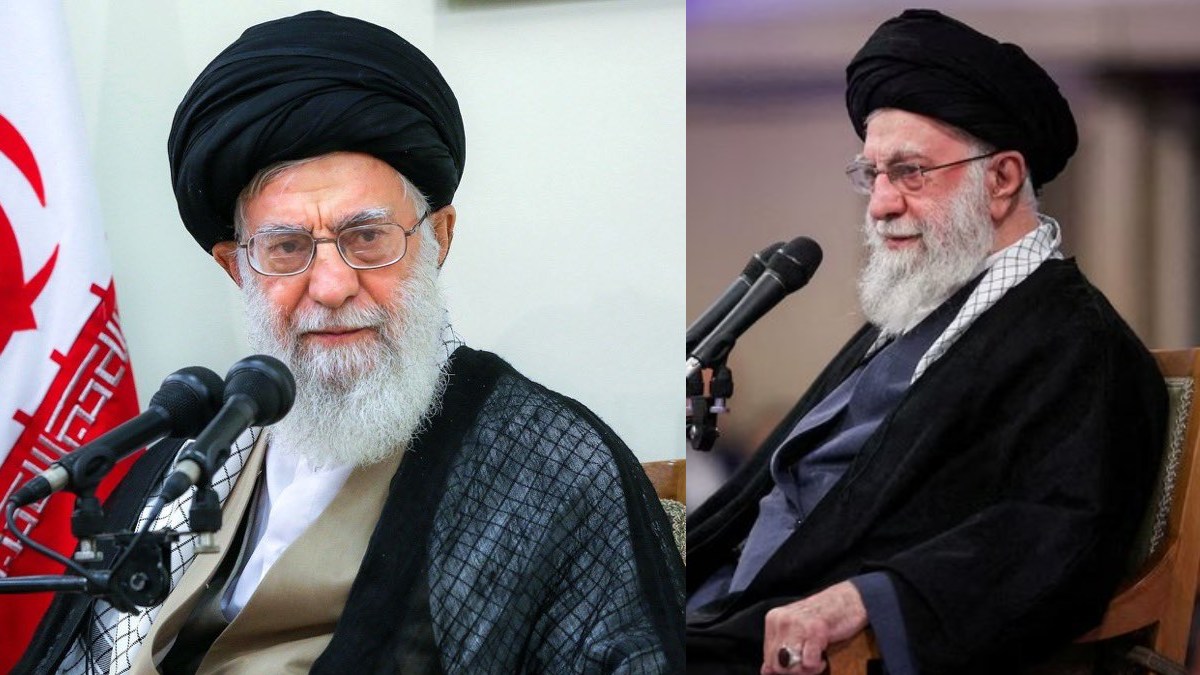
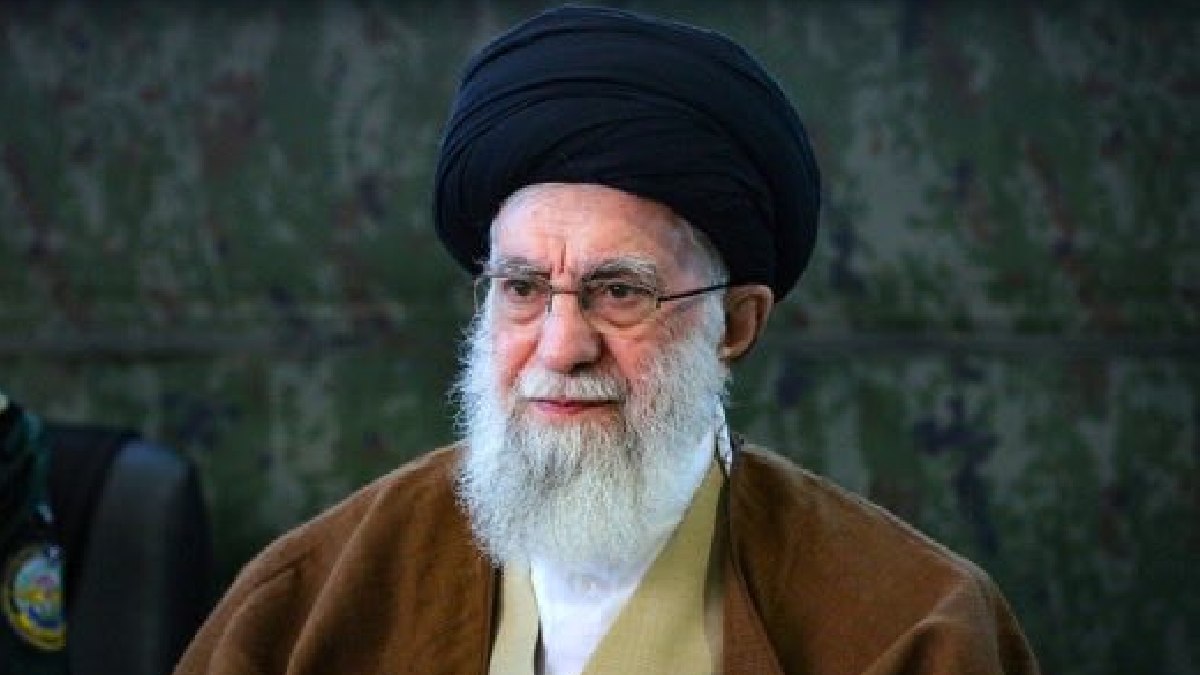
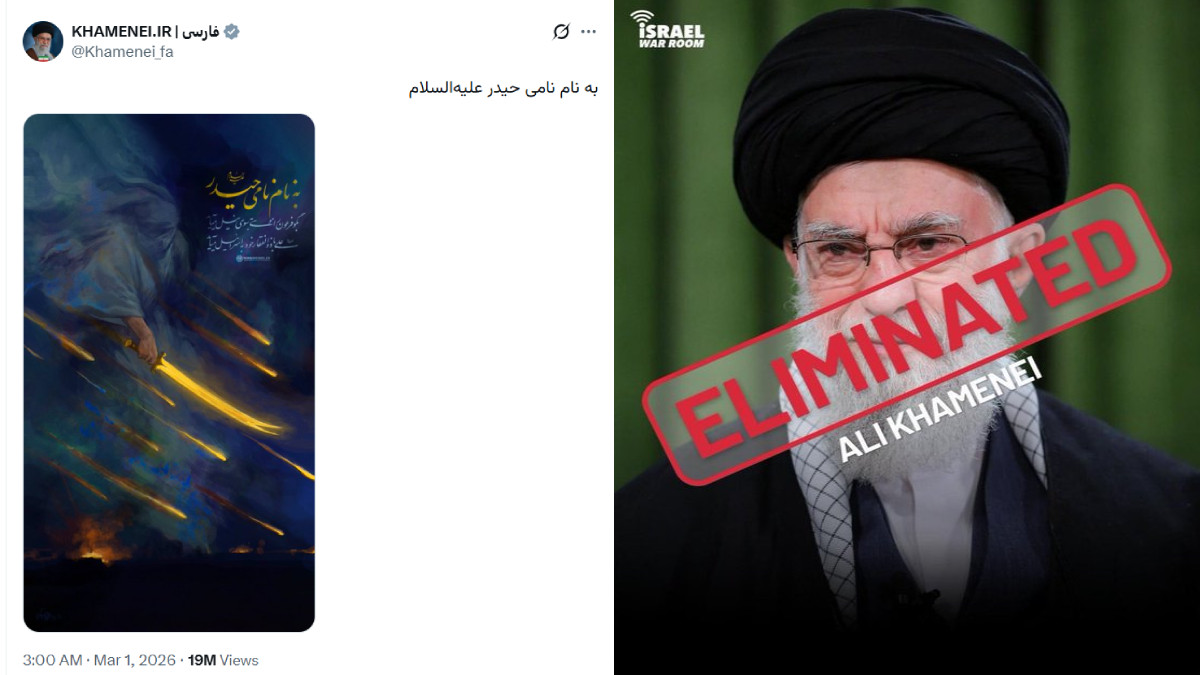
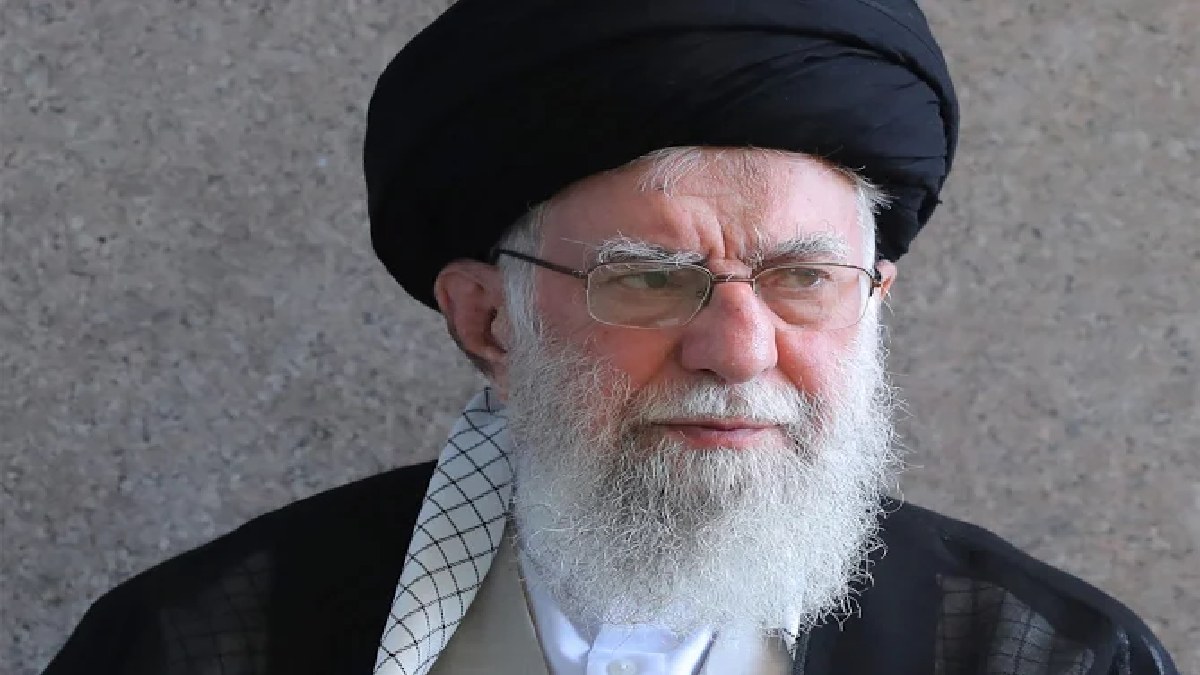
To keep the confusion flowing, the Iran State Media is racing to dispel rumors about whether the senior political and religious leadership in Iran will still be alive, amid a massive joint military offensive by the United States and Israel. Although high-precision attacks have focused on geographic locations near the Iranian capital Tehran, Supreme Leader Ayatollah Ali Khamenei and President Masoud Pezeshkian are both confirmed to be alive.
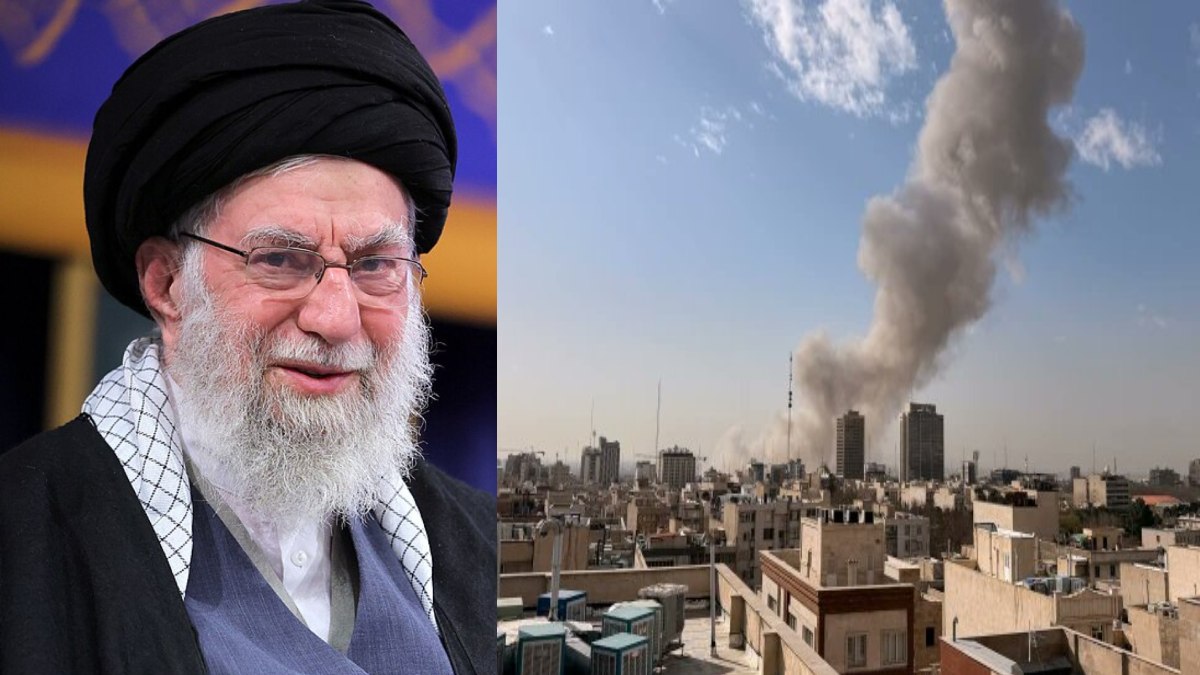
Rumors vs. The Reality: The State of the Supreme Leader
The evening was marred by frenzied speculation on social media that the Supreme Leader had been attacked in his downtown office. But Iranian officials at the highest level who said they were speaking to Reuters and other international organizations have said the 86-year-old Khamenei wasn’t in the capital during the initial blasts.
According to security protocols for "Major Combat Operations," Khamenei has been transferred to a fortified, secure and previously undisclosed location. His subsequent absence from public view during the past several days, which drove the initial rumors, is now understood to be part of a wider contingency plan arranged by his senior adviser, Ali Larijani, to ensure the continuity of leadership in the Islamic Republic when conflict breaks out.
President Pezeshkian Reported to Be "Unharmed"
Likewise, the state-operational IRNA (Islamic Republic News Agency) and the Tasnim News Agency have issued bulletins underlining that President Masoud Pezeshkian is “safe and in good health.” And although there have been reports of explosions around the Presidential building and government state complexes nearby, officials say the President was not in the line of fire. Pezeshkian, who has spent most of the month on the negotiations to deescalate in Geneva, is said to be handling civilian response to the airstrikes from a fortified command center.
Strikes hit “Symbols of Government.”
The leaders themselves have not been damaged, but so has the physical infrastructure around their offices. According to AP and AFP reports, the first wave of strikes on Saturday morning was directed toward the Seyed Khandan district and parts of downtown Tehran where the Ministry of Defense and top headquarters of the Supreme Leader are both located.

U.S. and Israeli officials have described them as “preemptive strikes” on symbols of the regime and military command stations, as opposed to a direct strike at the lives of the political heads of state. But the close proximity of the blasts has sent a clear message about the vulnerability of the regime’s inner sanctum.
An Information Warfare State
Tehran is seeing the “assassination” rumors as a form of psychological warfare targeting panic among the public and fanning the fire of domestic protest that has already been brewing nationwide. The Iranian authorities have then throttled internet services and mobile phone networks in the capital to retake command of the national story.
If the situation continues to wiggle, the Iranian Judiciary has indicated that anyone disseminating “a false warning” about the health status of the Supreme Leader or the President will incur severe legal obligations under the current emergency regime.