North Korean dictator Kim Jong Un ordered a fresh batch of ballistic missile test-fires, with reports of cluster munitions being included in the payload. The tests are yet another step toward increasing and diversifying North Korea’s military capabilities, and they spurred global scrutiny.
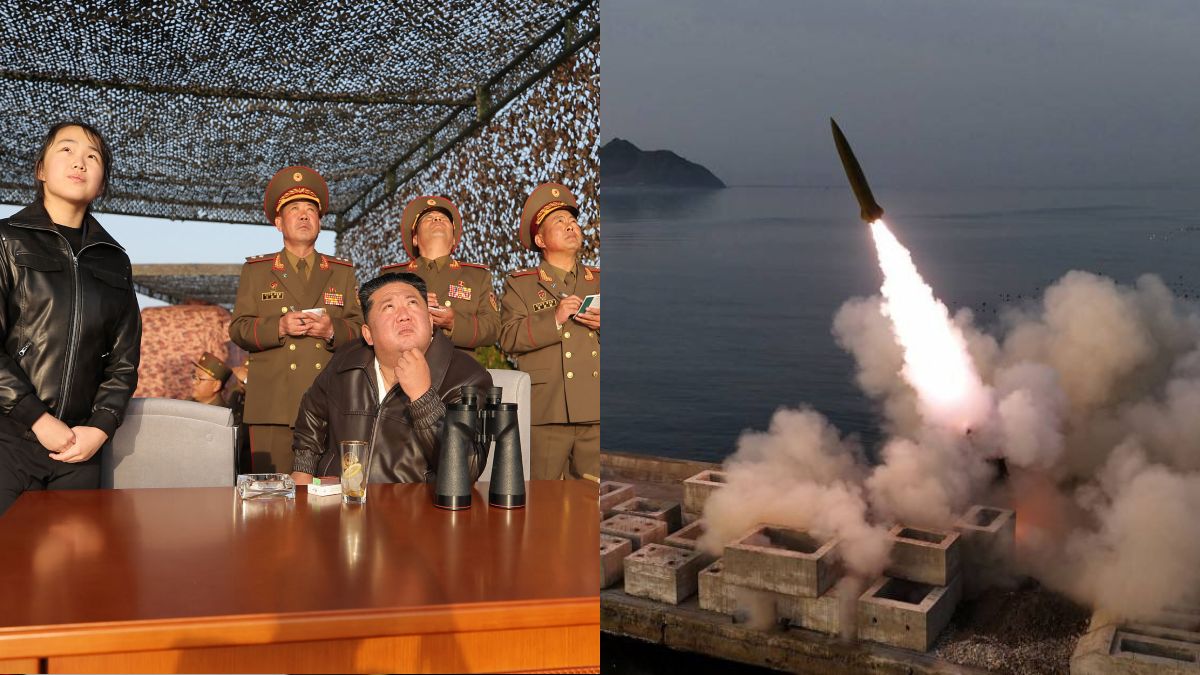
The missile launches were “in the sight of Kim Jong Un”, who has repeatedly stressed the need to strengthen national defence systems, state media reports. The tests are presumed to have been conducted to assess both the efficacy of missiles and the latest configurations of warhead technology.
Cluster munitions allow a series of small submunitions to be delivered around a wide target area, and are extremely controversial because human casualties can be catastrophic. The same weaponisation process is also applied to ballistic missile systems, and it would greatly enhance the explosive destructivity of the weapons, rendering them difficult to react to with regular missile defence systems.
Analysts argue that such payloads embedded in missile tests express the North Korean desire to enhance not only tactical flexibility but strategic threat deterrence, too. The country is also taking to the test of various warheads, hoping to create a more complex interception situation and to increase the size of its assault. The missile tests are motivated by heightened geopolitical friction in the region.
Neighbouring countries in particular, South Korea and Japan, have closely monitored North Korea, often responding in concert or rehearsal exercises. The moves add to an already precarious security environment in East Asia. There has been a global response, too. Countries have repeatedly urged North Korea to adhere to international treaties and United Nations resolutions, which ban such testing of those weapons.

The outbreak of cluster munitions contributed to fears for civilian safety, as they have been banned or restricted in many countries because of long-term environmental dangers to civilians. International pressure and sanctions have increased to a great degree, but North Korea in particular has claimed that its missile program is embedded in national security.
Kim Jong Un has maintained that the country’s military modernisation is a response to threats from abroad and is necessary for the defence of sovereignty. Analysts say that every test offers North Korea a lot of technical information, a useful tool to make its missile program efficient.
Range, accuracy and payload delivery systems are better, however. New, more nuanced warhead configurations might suggest a new phase in the country’s weapons planning. Developments are watched closely by the world powers, and there is lots of space for them to develop diplomatic pathways to lessen conflict. But since North Korea doesn’t want to postpone building up its military programs, de-escalation’s outcome is unclear.
The latest missile tests highlight continuing challenges and obstacles to international attempts to keep North Korean military forces out, but also demonstrate a continuing diplomatic effort, which generally focuses on finding a balance between deterring the threat rather than simply deterring it outright, and resolving the issue to help keep order across the other side of regional tensions.