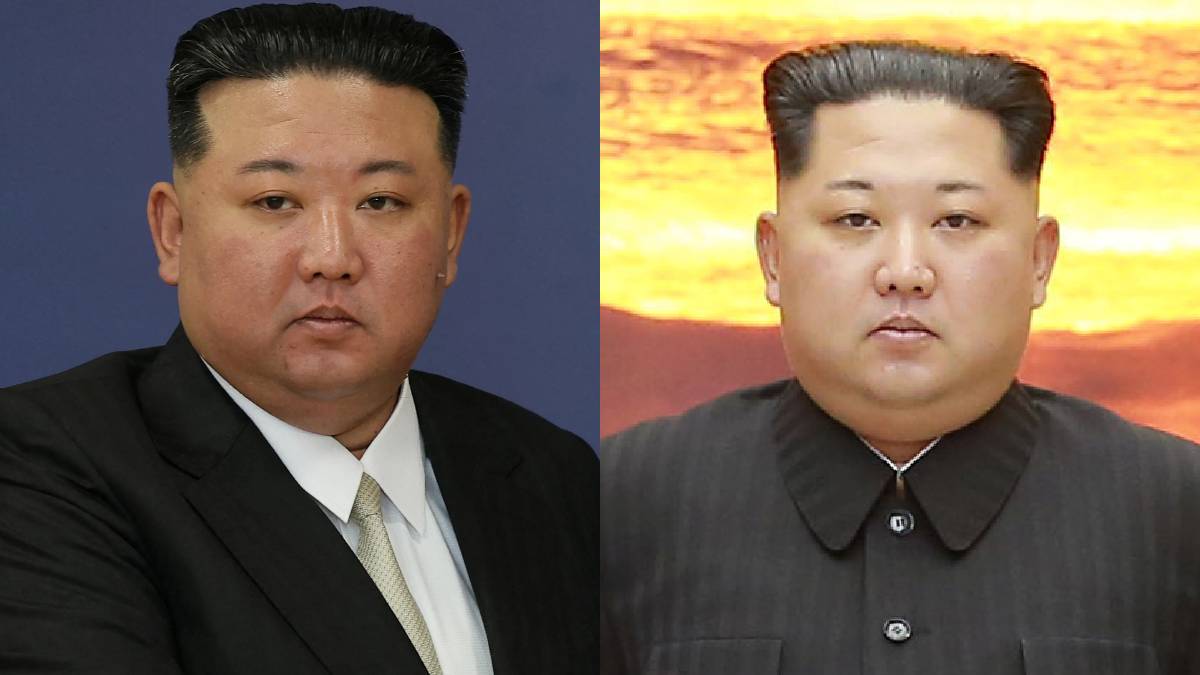
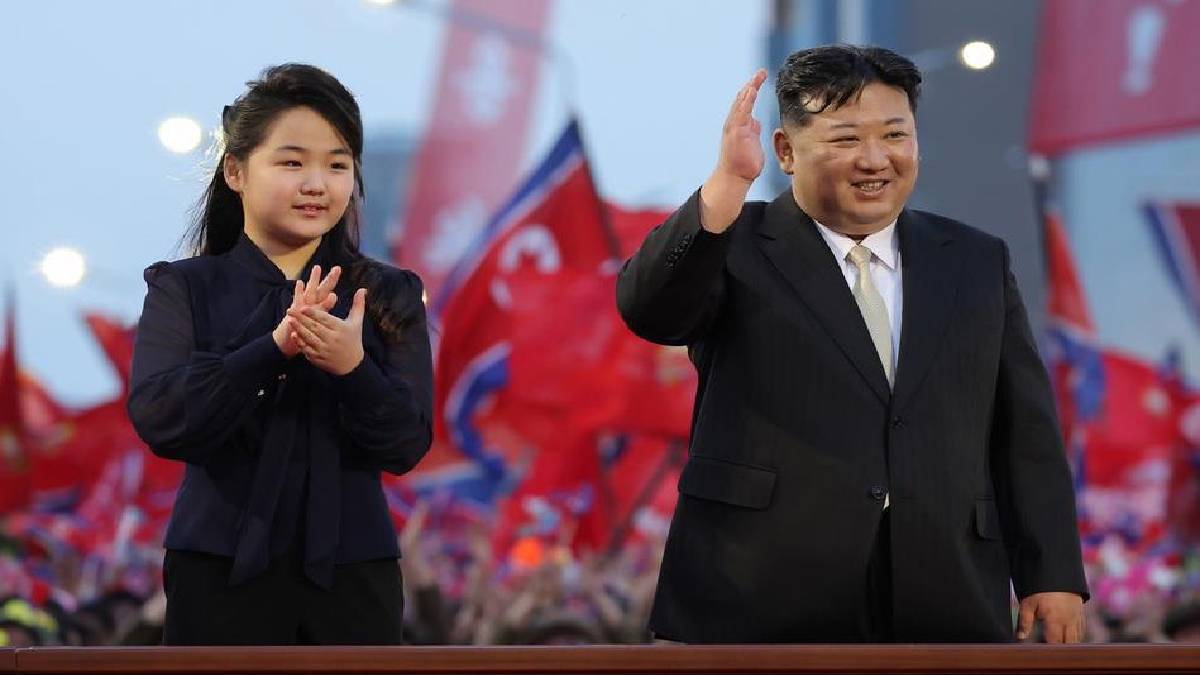
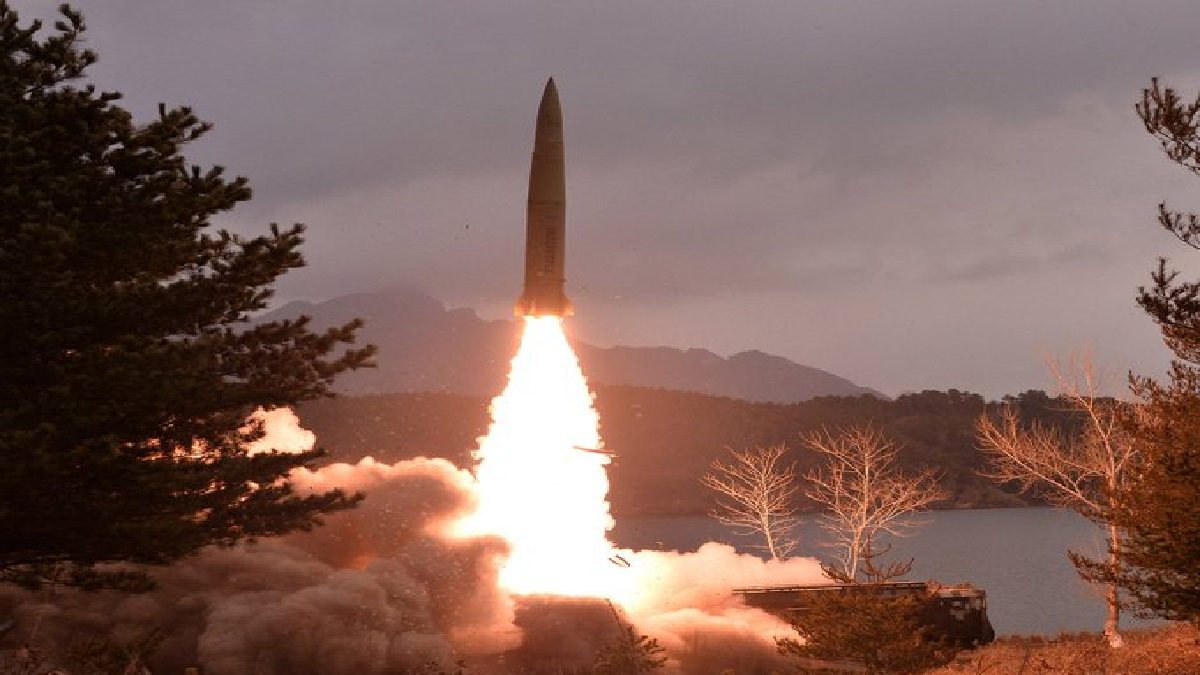
Just this week the Kim Jong Un leader, who took the matter of global security seriously. He proclaimed that North Korea is a “responsible nuclear weapons state” and insisted that its nuclear test was peaceful. Simultaneously, he cautioned foreign powers against treating North Korea as if it were Venezuela, claiming that such efforts would be “playing with fire.” The words of the regime contain both threats and reassurances, a hallmark strategy that Pyongyang employs, with its own images of strength juxtaposed with the victimization it poses.
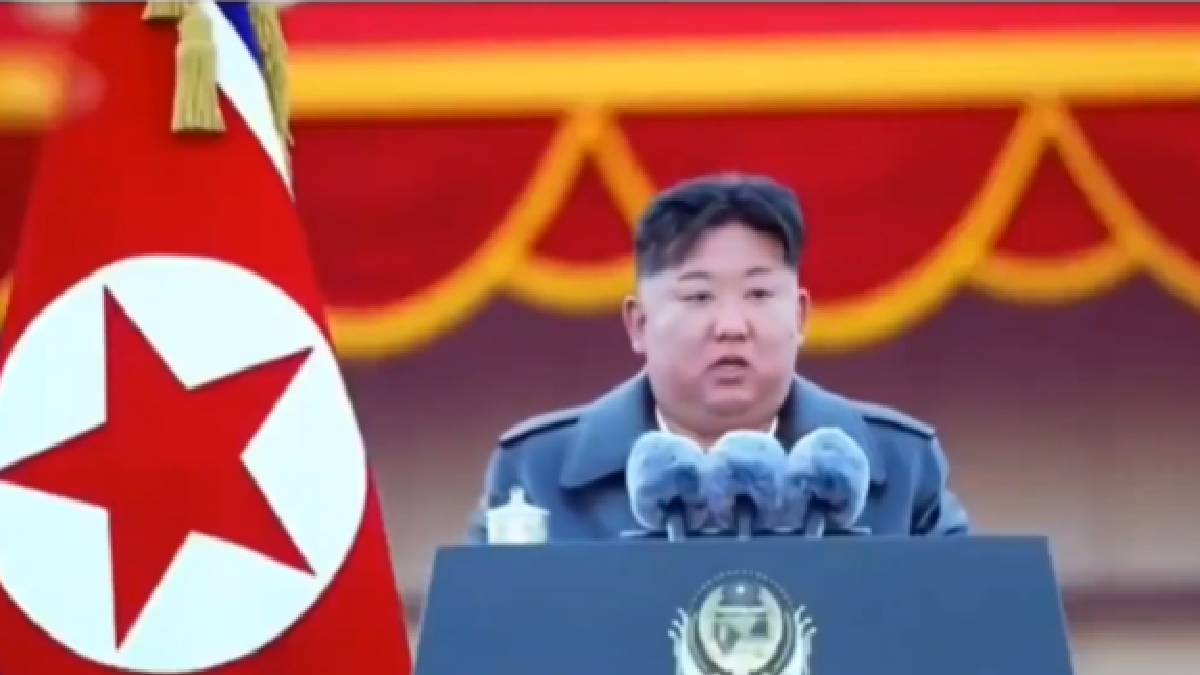
Kim’s mention of Venezuela is important. Venezuelan President Nicolás Maduro was captured in 2026, with an operation led by the U.S. That event, coupled with the fall of Iran’s Supreme Leader Ayatollah Khamenei, has alarmed authoritarian leaders around the world. These incidents, Kim views as proof that Washington can topple regimes it considers hostile, and North Korea wants to make it clear North Korea does not want that to happen.
North Korea has also remained testing hypersonic missiles and boosting its nuclear arsenal. Kim says nuclear weapons are necessary for survival against foreign intervention. “We challenge no one,” he tries to do that, casting North Korea as defensive, rather than aggressive. But the warning that outsiders are “playing with fire” proves that Pyongyang is also prepared to strike back if it perceives that it is threatened.
Why This Matters
- Deterrence Strategy: North Korea employs nuclear weapons as a shield against regime change.
- Global Security: That type of discourse ratchets up tensions in East Asia and complicates attempts at peace.
- Political Messaging: Kim’s words are targeted at domestic audiences to show strength, and at international powers, to deter intervention.
Analysts think Kim’s statement is both a reassurance and a warning. On the one hand, he asserts responsibility and peaceful intent. On the other hand, he warns that they would face significant repercussions if they tried to overthrow his government. That double messaging fits squarely into North Korea’s traditional diplomatic playbook: portraying it as both the victim of foreign hostility and a formidable, intransigent force.
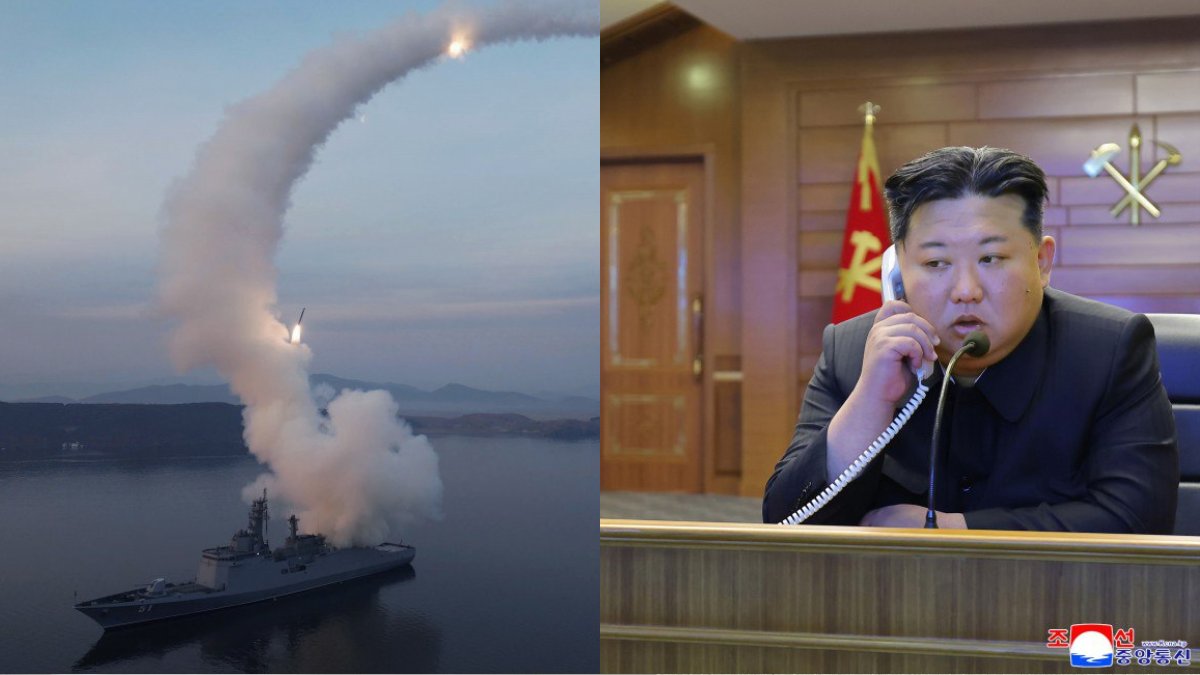
Kim Jong Un’s statement underscores North Korea’s resolve to protect itself via nuclear deterrence. By mentioning Venezuela, he gives the world a message that Pyongyang will not allow regime change. His words highlight the fragile balance between peace and conflict at play in the region, and are a reminder to the globe that North Korea’s nuclear program is not simply about weapons in this war it is about survival and power.