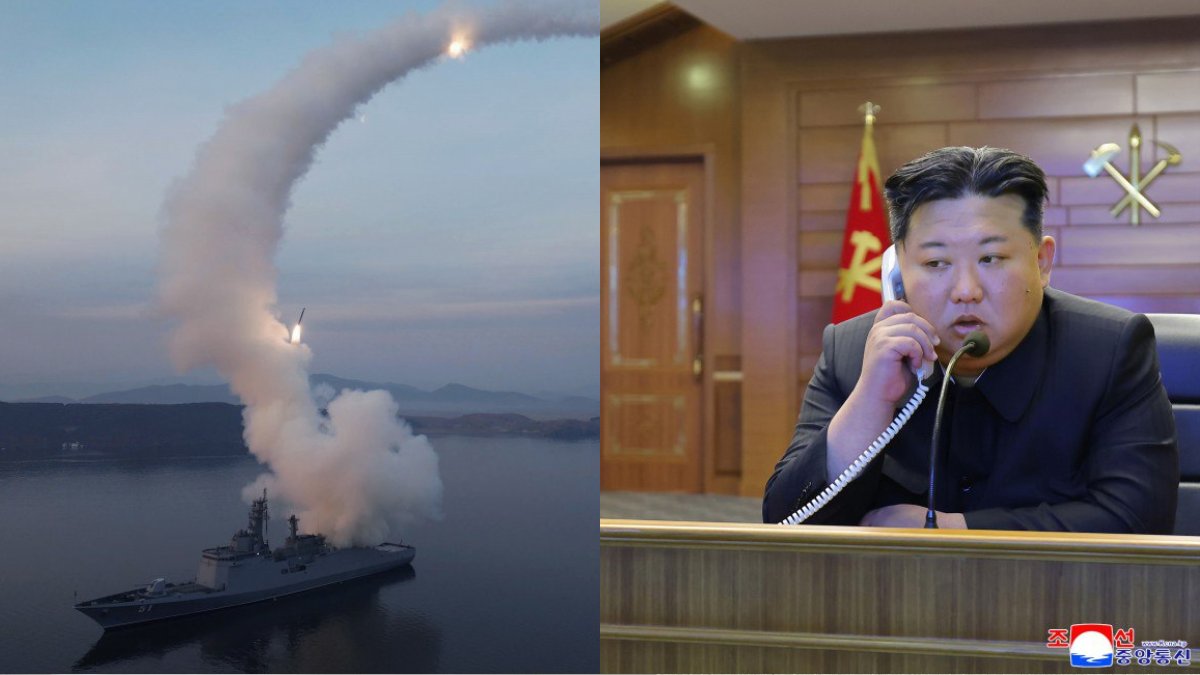
After receiving 99.93% of the vote in the country’s latest election, North Korean leader Kim Jong Un has made a rare public apology. While the figure remains extremely high, he expressed disappointment at falling short by 0.07%. His message has gone around the world as well, because it is unusual for a leader in North Korea to admit feeling hurt by election results.
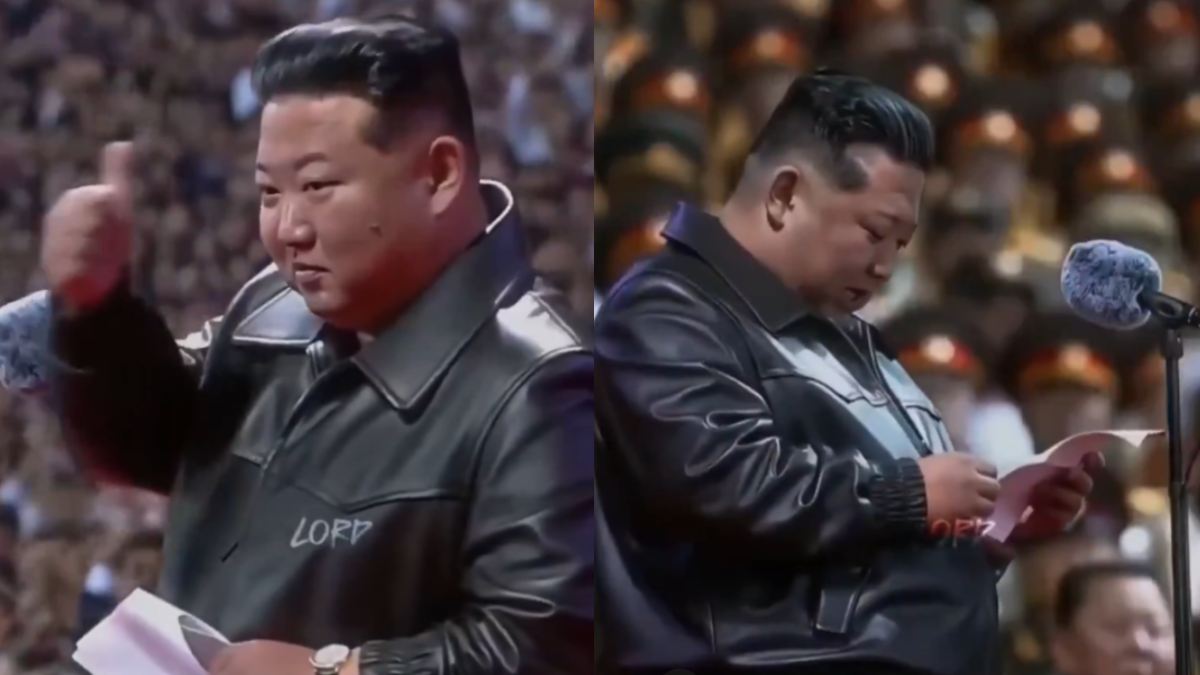
North Korea conducts highly controlled elections with results that are almost all in favor of the ruling party. Kim Jong Un’s score, which was nearly perfect, in this instance was somewhat lower than anticipated. He said he was “deeply hurt” by the outcome, demonstrating a rare moment of feeling vulnerable. And he reassured citizens that the very few who did not vote for him did not stand to be discriminated against or punished.
The apology is important because it illustrates the central role that unanimous support plays in North Korea’s political system. And even a minuscule amount of dissent seems noteworthy. Kim Jong Un could be attempting to show strength against the problem in this way, balancing his image as a hard line leader with the compassion behind his image as someone interested in unity.
In the country, state media cited his apology as a reflection of humility and commitment to the people. Citizens were told that their leader feels every vote matters to him and if even a relatively small minority voted otherwise he would be personally affected. Outside North Korea, observers observed the extraordinary character of the statement. Analysts argued that the apology was deliberately crafted to encourage loyalty in the face of possible unfairness, promising not to discriminate.
This episode is emblematic of the wider political culture in North Korea, where elections are more symbolic than competitive. That Kim Jong Un received the overwhelmingly large majority of the vote shows how the ruling party is able to exert complete control. But when he responds to the 0.07% it shows the degree to which even these slight deviations were taken seriously. And it is a reminder of how such leadership has historically been framed in North Korean society as inseparable from its own people's desires.
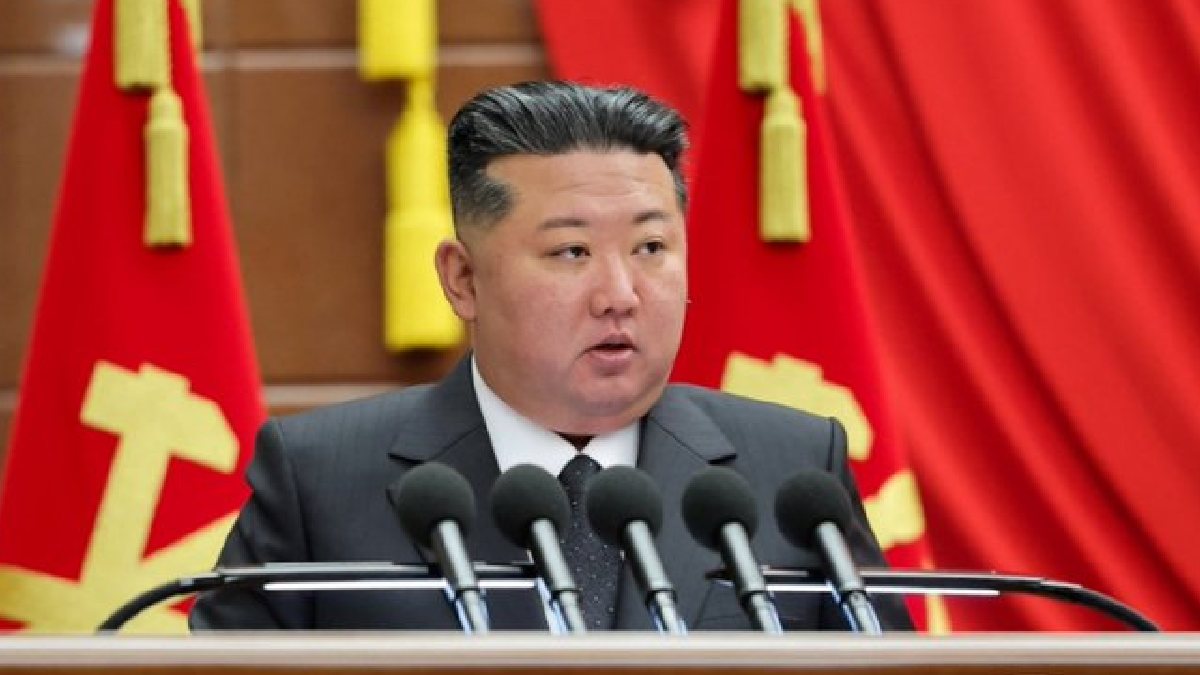
Kim Jong Un’s apology for getting 99.93% of the vote may sound strange, but it speaks to how much the North Korea political system takes a total view. He promised not to discriminate against the 0.07% who did not vote for him as a gesture of fairness. Out of the country, the statement offers an unusual picture of how the leader composes both image and authority in a country where elections are more about unity than choice.