In a head-on political development, former Nepal Prime Minister KP Sharma Oli and former Home Minister Ramesh Lekhak were detained in a controversial crackdown by the government on the ongoing Gen Z driven protests across the nation.
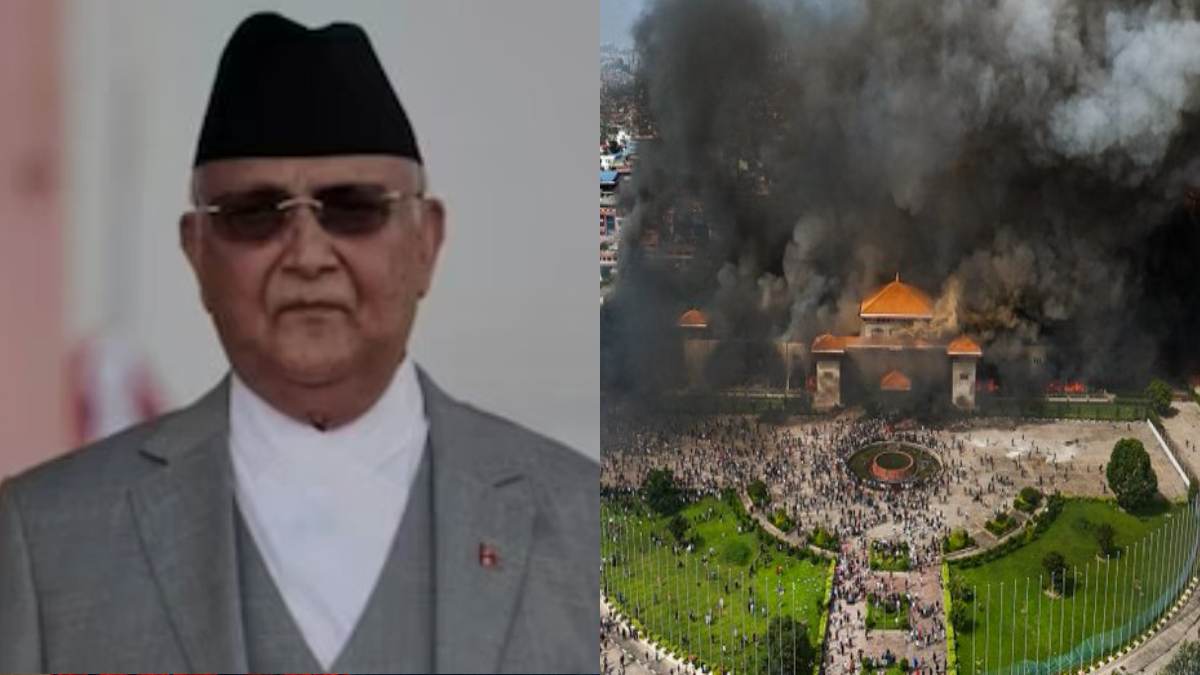
The youth-led protest movements in the capital of Kathmandu have been gaining momentum in recent years. People of color were vocal about governance issues, the workforce has been sidelined, there has been corruption too and freedom of expression has so far been restricted.
And officials are imposing a strict control on crowds, they say. At several protest sites there were clashes between demonstrators and police to the point where multiple people had to be arrested. Many eyewitnesses say people used excessive force.
The arrest of KP Sharma Oli, the Prime Minister and a key figure in Nepal’s political landscape, has added another dimension to the situation. In that sense, the detention of Ramesh Lekhak is much worse since last he held down all systems in Nepal.
Some government officials have yet to make any official release of charges at all or in what lengths such detentions were in place. However sources say the decision could be one of accountability measures taken on decisions regarding the decision and conduct at the protest crackdown.
But political experts suggest this situation would create a greater problem for opposition leaders. And for national political discourse-the current situation could mean that youth and democracy will come together at next month’s independence ceremony with youth in Nepal.
Calls for dialogue and restraint in both ways have also risen sharply after the protests have been made. Private NGO organizations, as well as internationally monitoring NGOs are trying to pressure the government to respect democratic liberties without compromising on security to the point of being peaceful and stable.
The rest of the week is likely to decide whether the situation escalates or toward solution by negotiation.