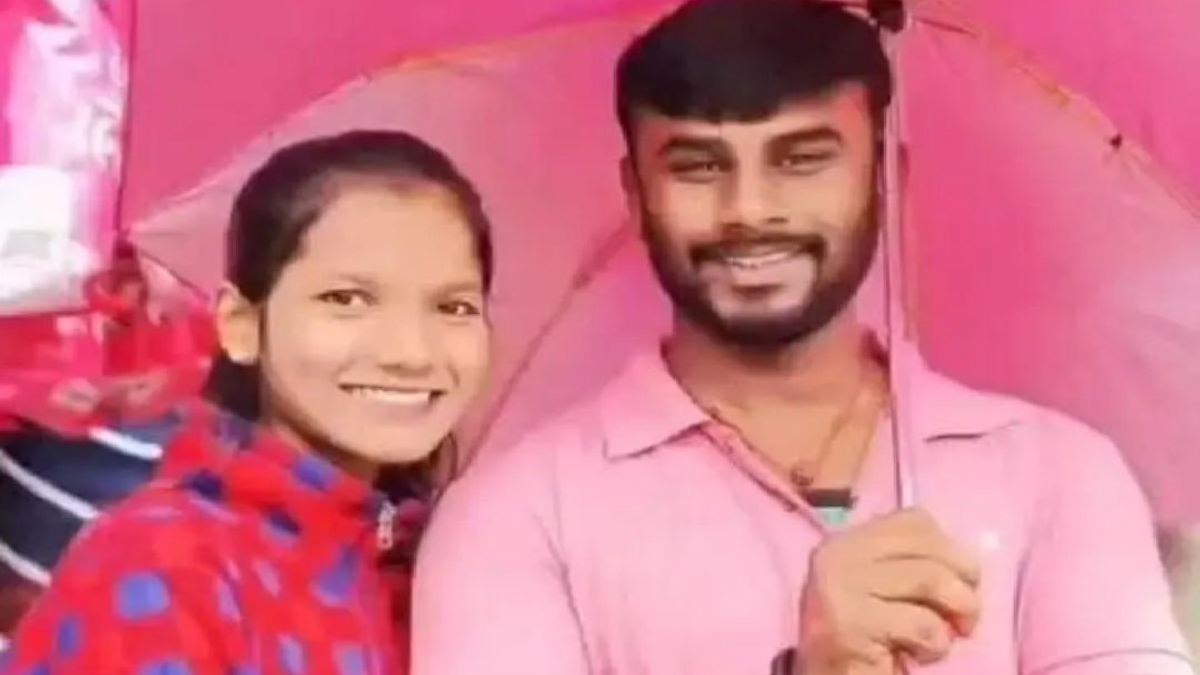
But for more than two decades, this unusual tradition can be witnessed in the district of Mahabubabad, Telangana. What started out for the grieving family as a way to celebrate their lost boy has become a ritual of every corner of the nation. On Sri Rama Navami day the family celebrated the wedding of Ram Koti’s statues and the girl he loved and now everyone in the village has it as their own ritual. Both tragically died in 2003, when their love marriage was opposed.
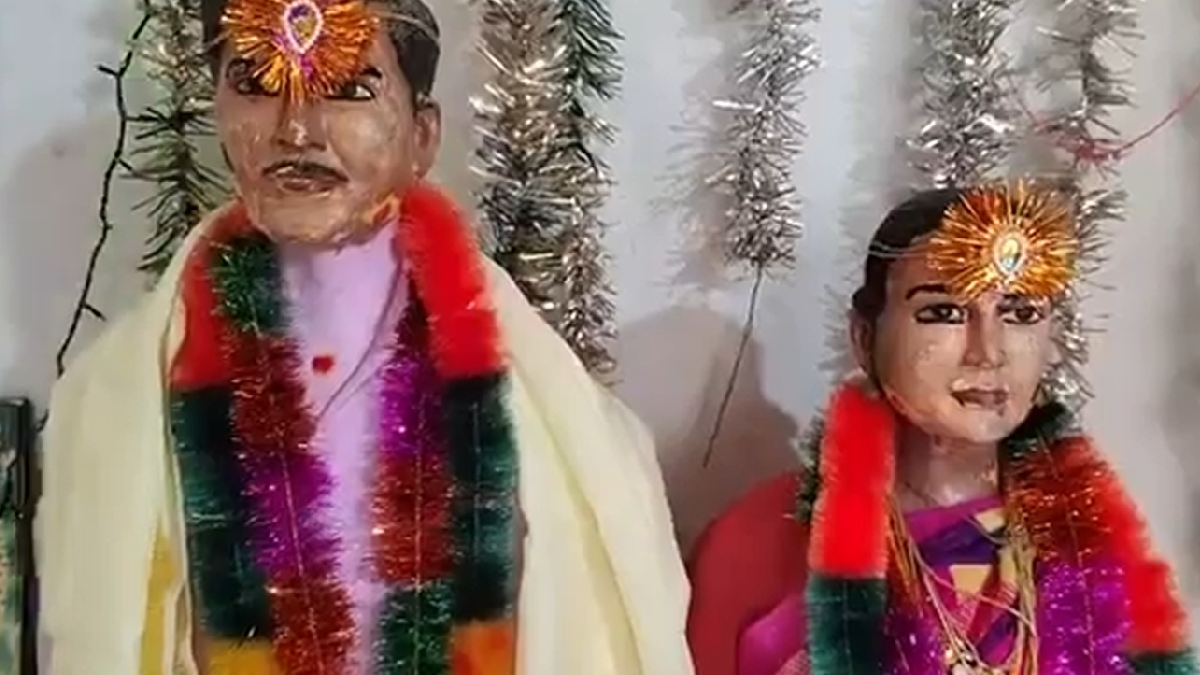
Ram Koti, a young man living in Santulalapodu Tanda in Bayyaram Mandal, fell in love with a girl from the same village. But their families were against the marriage and in despair the young boy Ram Koti took his own life in 2003. The girl, also unable to cope with the loss, also died. The parents who lost so much had no way of forgetting the memory and instead chose to celebrate his love story in a very different way.
So the family built two statues of Ram Koti and the girl after the tragedy. Over the past 23 years, they have organized weddings every year for the statues. Like real marriage. The wedding ceremony is completed as authentic to a real marriage, and there are offerings, prayers, thanks, and celebrations of ceremony. Villagers go to the occasion to make sure it is on the day and a true wedding takes place in the community.
Emotional and Cultural Significance
- For the Parents: This ceremony is a way (and their son's love) of grief that they were able to get by.
- For the Village: We have developed a tradition that brings personal sorrow in along with the collective contribution of our people.
- For Society: What is hard to come by these love marriages in rural India are the story demonstrates how community grief can be transformed into ritual.
An annual wedding has been celebrated well beyond the village. It is a symbol of recognition and gratitude - the love that comes from remembering and enduring the past and becoming more. The villagers cherish Ram Koti and what it means to honor him all together from there too and to give him a message of compassion, of acceptance to others when all are too late to come back, a message they’ve got right and is able to send out for them and all that’s coming so strongly and for our villages who celebrate here and see this at the end of the day…
Thus, the wedding of statues in Mahabubabad is more than a ritual - it’s that one of this’s a very powerful reminder that grief can be adapted to local customs. When a parent’s sorrow started coming back to a village, this has been one act of collective remembering and a lesson in how loving and dignified respect and acceptance can be taught.