Mali has once more been put in crisis after a chain of coordinated attacks on critical infrastructure, such as an international airport and a military base. They have expressed growing concern regarding security instability in West Africa and the wider Sahel region, as reported by Bamako.
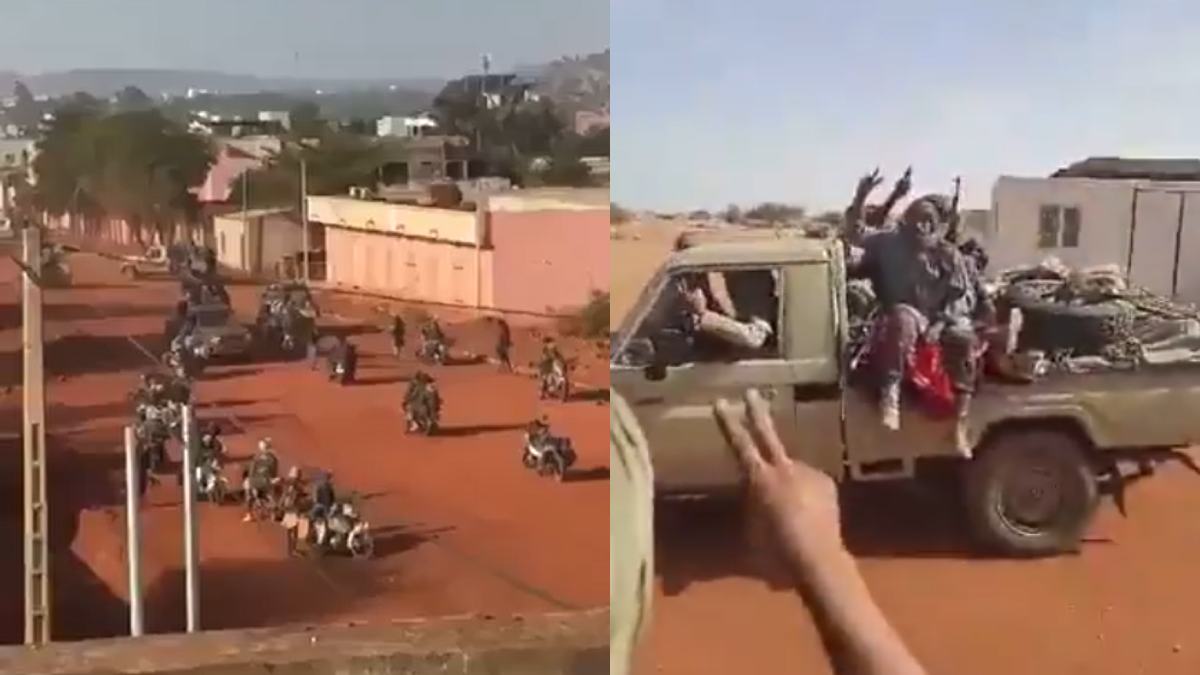
At least one recent incident reportedly saw armed attackers storm an airport and military base in Mali almost all at once. Gunfire and explosions reverberated throughout parts of the capital as panic hit people, and security forces rushed in immediately. We have no official tally, but it’s reported that some people were injured or killed in the violence. The government hasn’t provided anything other than a statement.
Guards were quickly sent to the areas, and security forces blocked the area to prevent escalation further. That airport attack is extremely concerning; places of that scale are usually treated as such critical infrastructure, and are kept much more secure. It is unknown if direct flight operations had been compromised, and the experience has increased the fear of tens of thousands of people who live nearby and foreign tourists.
Mali has been afflicted for decades by an ongoing insurgency and extremist violence. Groups allied with international jihadist networks have struck military bases, government buildings and civilian targets. The situation, though, is clearly precarious, despite ongoing military action and international backing from both security forces and previous interventions.
Experts say the latest strikes are likely the work of militant groups seeking to demonstrate operational capability and delegitimise government power. Military and civilian infrastructure and its networks show it intended terrorism and a network strategy that planned to be broad-based.
Mali has also experienced political turmoil in recent years and has had its ups and downs. Military coups and chaotic ruling have made it even more complex, and now, even as military operations remain a challenge, stabilisation and fighting insurgents could be truly accomplished. But the fresh violence has raised fears throughout the world.
Escalating attacks in Mali now pose a threat to nearby countries in the Sahel to spread even further, where factors of security and military trouble have already developed seriously. Bamako villagers remember a frenzy, and residents, who watched, didn’t react to the throng of people moving about.
Authorities have called for security, and the public is advised that steps are presently being taken to restore law and order and safety. The attackers’ ability to accumulate intelligence and orchestrate the complete strikes as investigations trail the evidence remains a mystery.
The recent attacks serve as a sobering reminder that Mali still faces elements of extremism that remain daunting; that securing Mali is dangerous if done in isolation, that extremist content is always dangerous, that the phenomenon of extremism that consumes Mali just never ends; and that securing Mali means no longer considering the problem only as a one-off strategy; you must go to all levels of the socio-political.