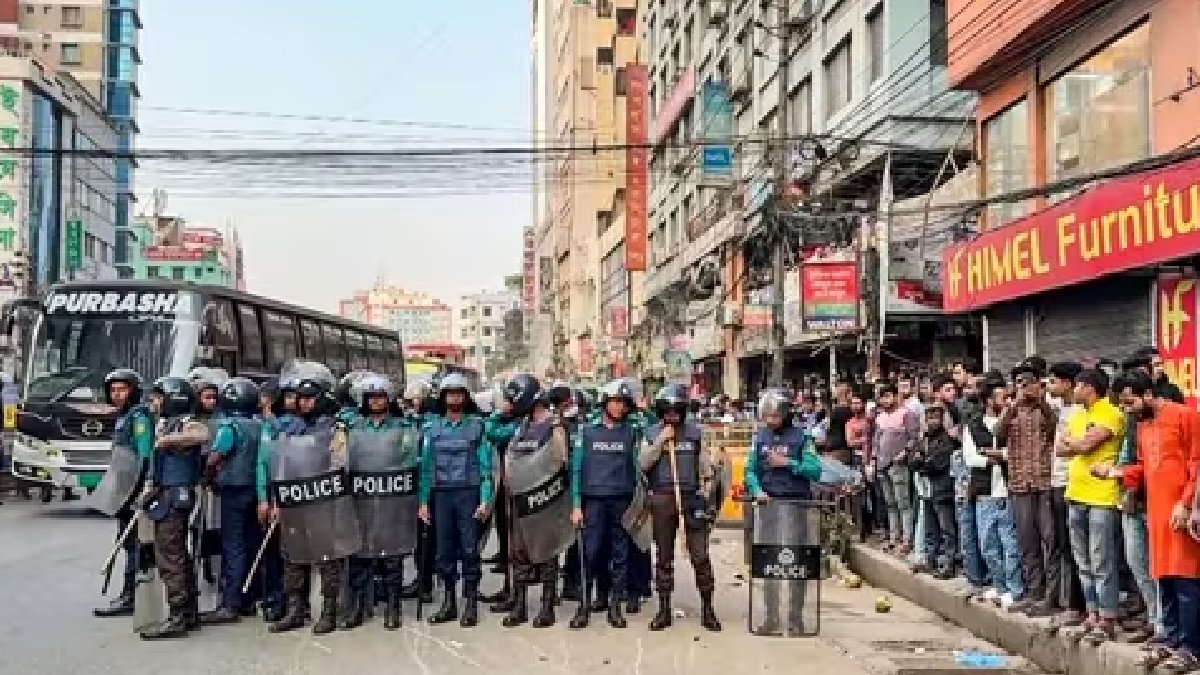
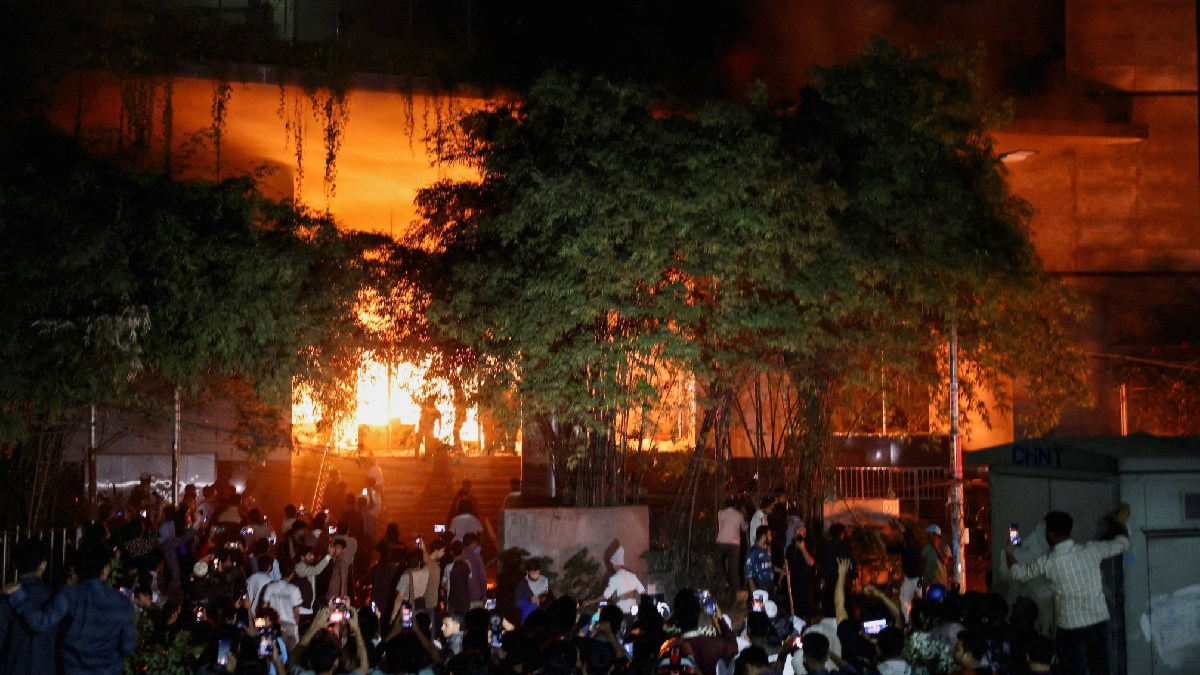
Across Bangladesh, police forces and other security agencies have expanded national security enforcement, as intelligence inputs have warned them of potential militant attacks at key sites such as the national parliament and strategic military targets.
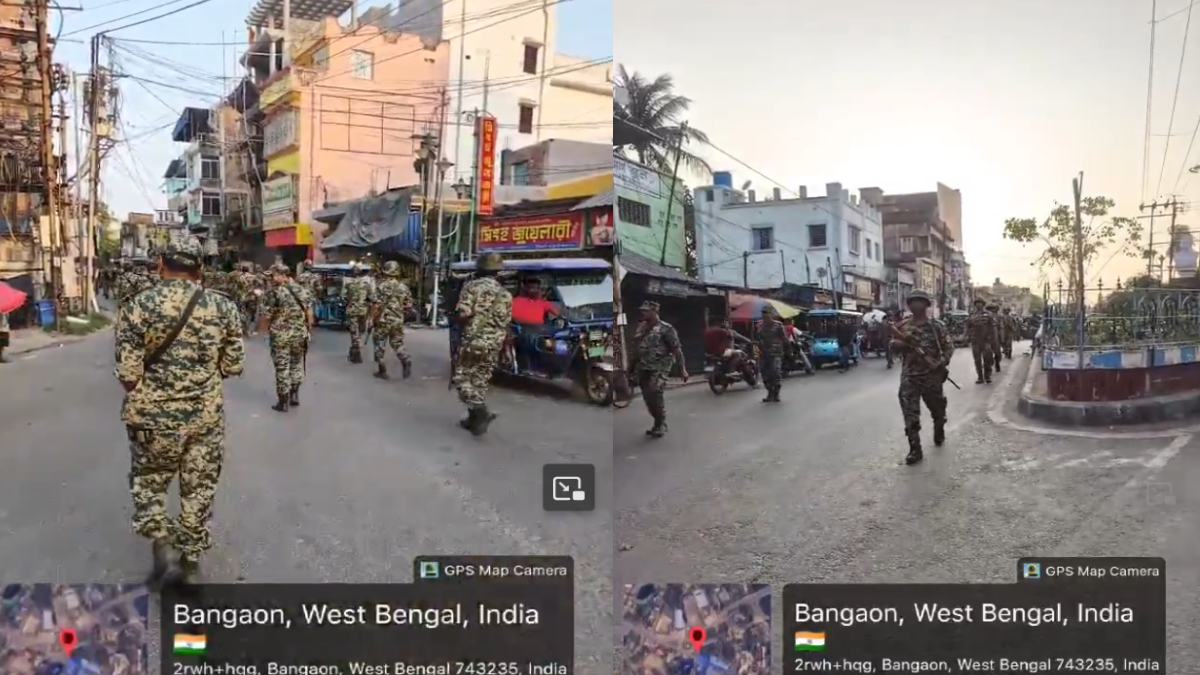
The alerts have triggered a speedy response among the police, the intelligence services and the military, who have each considered all armament options for defence against any actual threat. Security forces are heavily curbing operations at Jatiya Sangsad Bhaban, the capital, Dhaka, one of the country’s most central and symbolic spaces.
More checkpoints, more patrols, officers and stricter entrance controls have been adopted to protect legislators, employees and visitors. Sources said the intelligence warning indicated militant groups might be reconstituting themselves to try to stage attacks against major targets in an effort to sow chaos.
No particular group has been named since then, but extremist organisations aim to disrupt governance and security, it says, but threats to Bangladesh’s security have long been from extremist groups with threats to its own, with no visible target on the border or elsewhere. Military installations everywhere have also been on high alert.
Base penetration has been reduced, surveillance ramped up, and personnel organised with advanced surveillance systems. Some of us are conducting security drills to build our skills in response to a disaster. Authorities have advised the public to remain calm but on guard and signalled they will do something in case of a threat.

Law enforcement agencies are engaging in special operations like (intelligence gathering and observation of suspicious movement and online correspondence activity that would be related to attack planning and monitoring). Bangladesh has done well on counter-terrorism in the past 10 years by cracking down on a large number of militant networks and upgrading its internal security measures.
Intelligence warnings are absolutely understood by people to be serious warnings that people aren't going to believe either that an incident is simply “not a threat,” or that it isn’t “not important”, and that it is capable of potentially doing real-world damage. Those acts are symbolic, security analysts say, intended to send a “symbolic signal” and jolt people’s psychological centres by attacking, say, parliament and military installations.
This means that, on average, governments go to bat to prevent such efforts. And the latest alert has resulted in greater collaboration among the arms of the security establishment. This has translated to joint actions and cross-information sharing to create a collaborative front. Border security has also been fortified to protect against infiltration or the movement of possibly nefarious forces.
There has been no attack, but the situation remains closely monitored. Local officials are being put on heightened alert, officials said, until the perceived threat wears off. Simultaneously, public spaces, transit hubs and key infrastructure are under closer oversight.
It underscores continuing challenges facing countries in protecting their own security as threats to it become increasingly sophisticated. Let’s digress a little farther away from today, but for Bangladesh, we’re certainly also reminded that vigilance, preparedness and nimble response can safeguard national stability and public safety.